
 https://sz-fpi.com/wp-content/uploads/2026/07/Wire-Harness-Quality-Standard.jpg
500
800
FPIC
https://sz-fpi.com/wp-content/uploads/2024/01/Logo-31-1.png
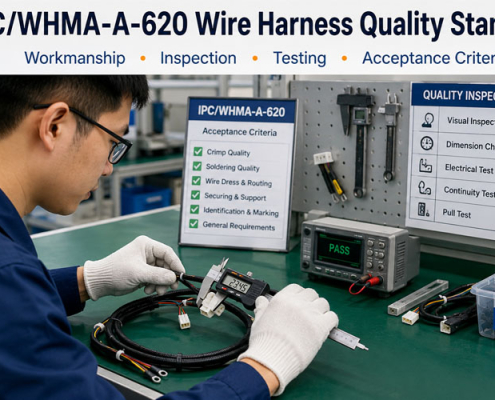
FPIC2026-07-31 07:02:502026-09-17 02:20:04Wire Harness Acceptance Criteria: What IPC/WHMA-A-620 Means for OEM Buyers
https://sz-fpi.com/wp-content/uploads/2026/07/Wire-Harness-Quality-Standard.jpg
500
800
FPIC
https://sz-fpi.com/wp-content/uploads/2024/01/Logo-31-1.png
FPIC2026-07-31 07:02:502026-09-17 02:20:04Wire Harness Acceptance Criteria: What IPC/WHMA-A-620 Means for OEM Buyers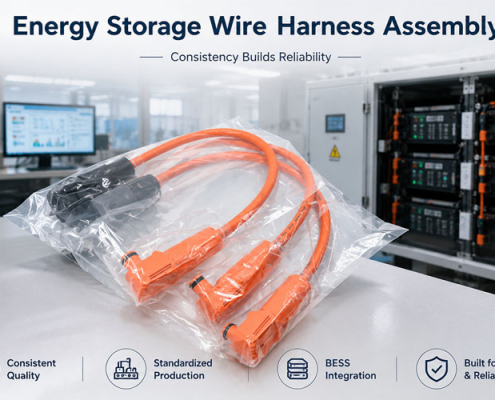 https://sz-fpi.com/wp-content/uploads/2026/07/Energy-Storage-Harness-Assembly.jpg
500
800
FPIC
https://sz-fpi.com/wp-content/uploads/2024/01/Logo-31-1.png
FPIC2026-07-31 06:53:092026-09-17 02:19:25How to Improve Assembly Consistency in Energy Storage Harness Manufacturing
https://sz-fpi.com/wp-content/uploads/2026/07/Energy-Storage-Harness-Assembly.jpg
500
800
FPIC
https://sz-fpi.com/wp-content/uploads/2024/01/Logo-31-1.png
FPIC2026-07-31 06:53:092026-09-17 02:19:25How to Improve Assembly Consistency in Energy Storage Harness Manufacturing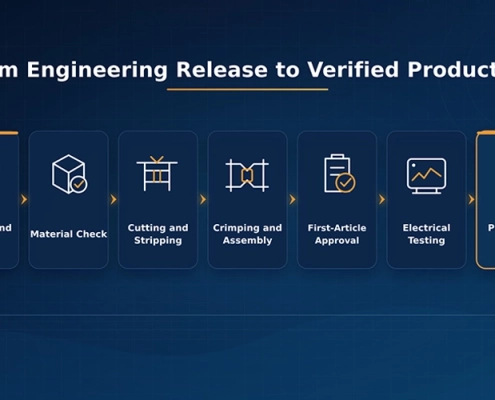 https://sz-fpi.com/wp-content/uploads/2026/07/controlled-production-workflow.webp
500
800
FPIC
https://sz-fpi.com/wp-content/uploads/2024/01/Logo-31-1.png
FPIC2026-07-30 09:07:032026-07-30 09:07:03Why Controlled Work Instructions Matter in Wire Harness Production
https://sz-fpi.com/wp-content/uploads/2026/07/controlled-production-workflow.webp
500
800
FPIC
https://sz-fpi.com/wp-content/uploads/2024/01/Logo-31-1.png
FPIC2026-07-30 09:07:032026-07-30 09:07:03Why Controlled Work Instructions Matter in Wire Harness Production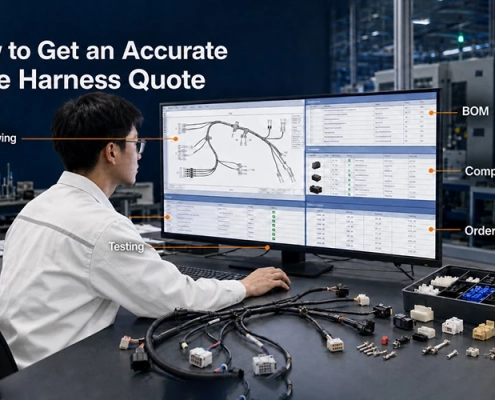 https://sz-fpi.com/wp-content/uploads/2026/07/how-to-get-an-accurate-wire-harness-quote-featured-white-uniform.webp
500
800
FPIC
https://sz-fpi.com/wp-content/uploads/2024/01/Logo-31-1.png
FPIC2026-07-28 08:10:132026-07-28 08:10:13How to Get an Accurate Wire Harness Quote
https://sz-fpi.com/wp-content/uploads/2026/07/how-to-get-an-accurate-wire-harness-quote-featured-white-uniform.webp
500
800
FPIC
https://sz-fpi.com/wp-content/uploads/2024/01/Logo-31-1.png
FPIC2026-07-28 08:10:132026-07-28 08:10:13How to Get an Accurate Wire Harness Quote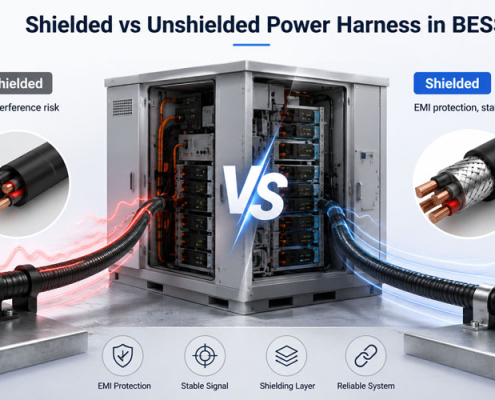 https://sz-fpi.com/wp-content/uploads/2026/07/Shielded-vs-Unshielded-Power-Harness-in-BESS.jpg
500
800
FPIC
https://sz-fpi.com/wp-content/uploads/2024/01/Logo-31-1.png
FPIC2026-07-24 08:42:112026-09-17 02:24:11Shielded Power Harnesses in Energy Storage Systems: When Are They Necessary
https://sz-fpi.com/wp-content/uploads/2026/07/Shielded-vs-Unshielded-Power-Harness-in-BESS.jpg
500
800
FPIC
https://sz-fpi.com/wp-content/uploads/2024/01/Logo-31-1.png
FPIC2026-07-24 08:42:112026-09-17 02:24:11Shielded Power Harnesses in Energy Storage Systems: When Are They Necessary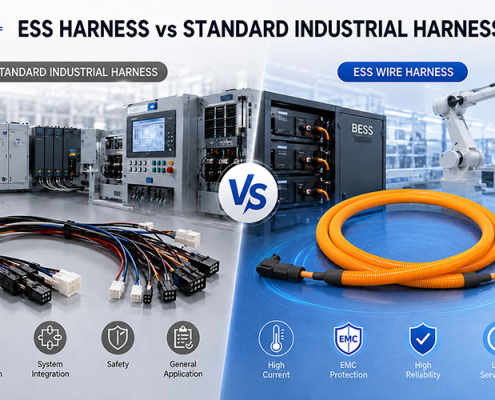 https://sz-fpi.com/wp-content/uploads/2026/07/ESS-Harness-vs-Standard-Industrial-Harness-Comparison-1.jpg
500
800
FPIC
https://sz-fpi.com/wp-content/uploads/2024/01/Logo-31-1.png
FPIC2026-07-24 07:52:382026-09-17 02:23:35What Makes an ESS Harness Different from a Standard Industrial Harness
https://sz-fpi.com/wp-content/uploads/2026/07/ESS-Harness-vs-Standard-Industrial-Harness-Comparison-1.jpg
500
800
FPIC
https://sz-fpi.com/wp-content/uploads/2024/01/Logo-31-1.png
FPIC2026-07-24 07:52:382026-09-17 02:23:35What Makes an ESS Harness Different from a Standard Industrial Harness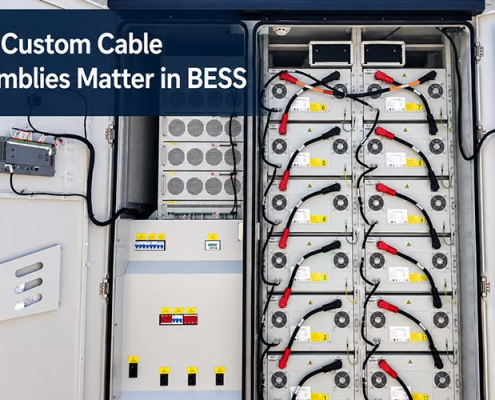 https://sz-fpi.com/wp-content/uploads/2026/07/why-custom-cable-assemblies-matter-in-BESS.jpg
500
800
FPIC
https://sz-fpi.com/wp-content/uploads/2024/01/Logo-31-1.png
FPIC2026-07-22 09:43:272026-07-22 09:47:42Why Custom Cable Assemblies Matter in Energy Storage Systems
https://sz-fpi.com/wp-content/uploads/2026/07/why-custom-cable-assemblies-matter-in-BESS.jpg
500
800
FPIC
https://sz-fpi.com/wp-content/uploads/2024/01/Logo-31-1.png
FPIC2026-07-22 09:43:272026-07-22 09:47:42Why Custom Cable Assemblies Matter in Energy Storage Systems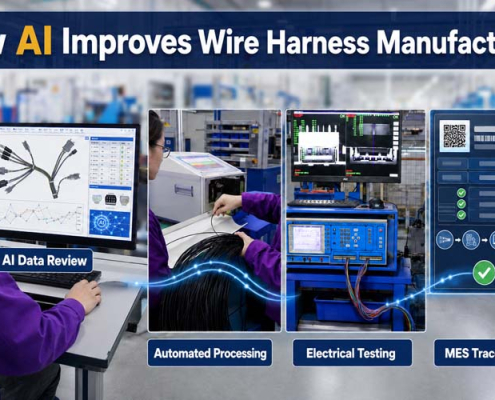 https://sz-fpi.com/wp-content/uploads/2026/07/how-ai-improves-wire-harness-manufacturing.jpg
500
800
FPIC
https://sz-fpi.com/wp-content/uploads/2024/01/Logo-31-1.png
FPIC2026-07-16 08:29:272026-07-16 08:29:27How AI Improves Wire Harness Manufacturing
https://sz-fpi.com/wp-content/uploads/2026/07/how-ai-improves-wire-harness-manufacturing.jpg
500
800
FPIC
https://sz-fpi.com/wp-content/uploads/2024/01/Logo-31-1.png
FPIC2026-07-16 08:29:272026-07-16 08:29:27How AI Improves Wire Harness Manufacturing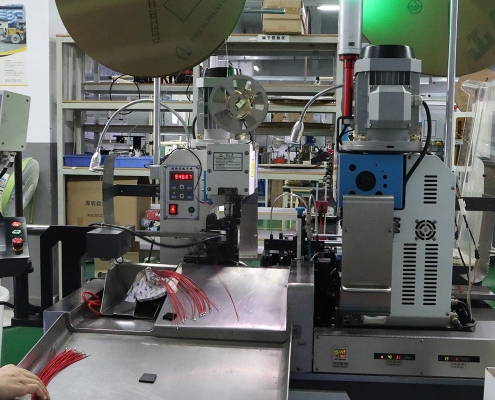 https://sz-fpi.com/wp-content/uploads/2023/03/automatic-wire-cutting.jpg
800
1200
FPIC
https://sz-fpi.com/wp-content/uploads/2024/01/Logo-31-1.png
FPIC2026-07-15 07:56:092026-07-15 08:08:55How Automation Improves Wire Harness Quality and Consistency
https://sz-fpi.com/wp-content/uploads/2023/03/automatic-wire-cutting.jpg
800
1200
FPIC
https://sz-fpi.com/wp-content/uploads/2024/01/Logo-31-1.png
FPIC2026-07-15 07:56:092026-07-15 08:08:55How Automation Improves Wire Harness Quality and Consistency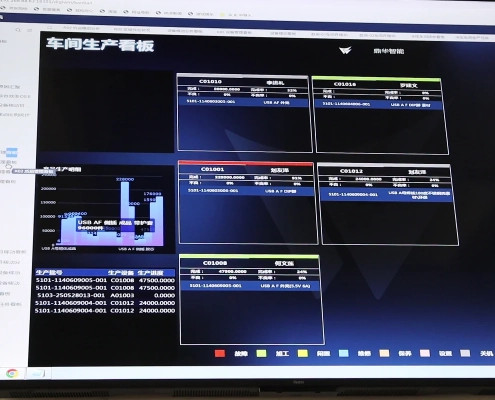 https://sz-fpi.com/wp-content/uploads/2026/07/MES-and-ERP-Coordination-2.webp
800
1200
FPIC
https://sz-fpi.com/wp-content/uploads/2024/01/Logo-31-1.png
FPIC2026-07-14 04:24:032026-07-16 04:22:06How Digital Work Instructions Improve Wire Harness Quality
https://sz-fpi.com/wp-content/uploads/2026/07/MES-and-ERP-Coordination-2.webp
800
1200
FPIC
https://sz-fpi.com/wp-content/uploads/2024/01/Logo-31-1.png
FPIC2026-07-14 04:24:032026-07-16 04:22:06How Digital Work Instructions Improve Wire Harness Quality