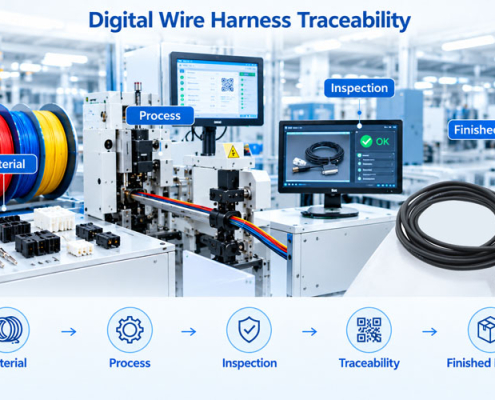
 https://sz-fpi.com/wp-content/uploads/2026/09/Digital-Wire-Harness-Traceability.jpg
500
800
FPIC
https://sz-fpi.com/wp-content/uploads/2024/01/Logo-31-1.png
FPIC2026-09-15 02:59:442026-09-17 01:30:25How Digital Manufacturing Improves Wire Harness Traceability
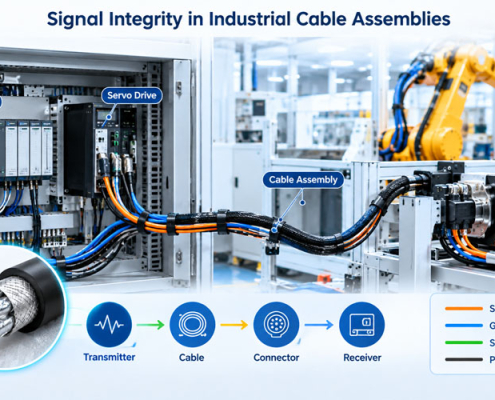 https://sz-fpi.com/wp-content/uploads/2026/09/Signal-Integrity-in-Industrial-Cable-Assemblies.jpg
500
800
FPIC
https://sz-fpi.com/wp-content/uploads/2024/01/Logo-31-1.png
FPIC2026-09-15 02:20:322026-09-17 01:30:40Signal Integrity Considerations in Industrial Cable Assemblies
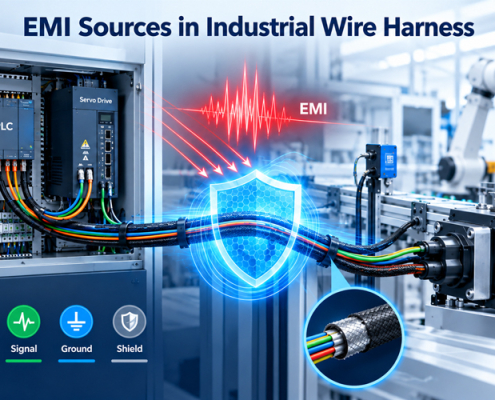 https://sz-fpi.com/wp-content/uploads/2026/09/EMI-Sources-in-Industrial-Wire-Harness.jpg
500
800
FPIC
https://sz-fpi.com/wp-content/uploads/2024/01/Logo-31-1.png
FPIC2026-09-08 02:50:582026-09-17 01:29:25How EMI Shielding Improves Industrial Wire Harness Reliability
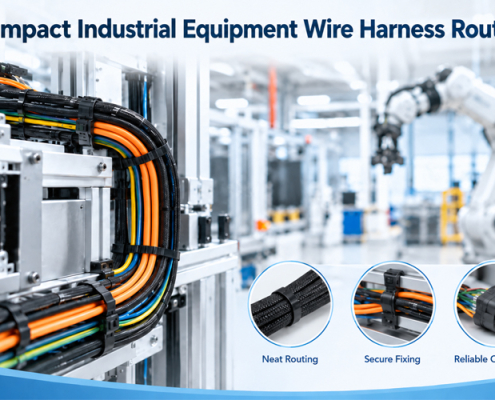 https://sz-fpi.com/wp-content/uploads/2026/09/Compact-Industrial-Equipment-Wire-Harness-Routing.jpg
500
800
FPIC
https://sz-fpi.com/wp-content/uploads/2024/01/Logo-31-1.png
FPIC2026-09-08 02:01:512026-09-08 02:01:51Wire Harness Design Considerations for Compact Industrial Equipment
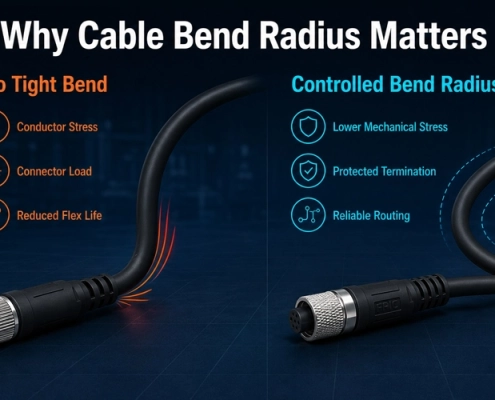 https://sz-fpi.com/wp-content/uploads/2026/09/Why-Cable-Bend-Radius-Matters.webp
500
800
FPIC
https://sz-fpi.com/wp-content/uploads/2024/01/Logo-31-1.png
FPIC2026-09-03 08:03:262026-09-03 08:03:26Why Cable Bend Radius Matters in Wire Harness Design
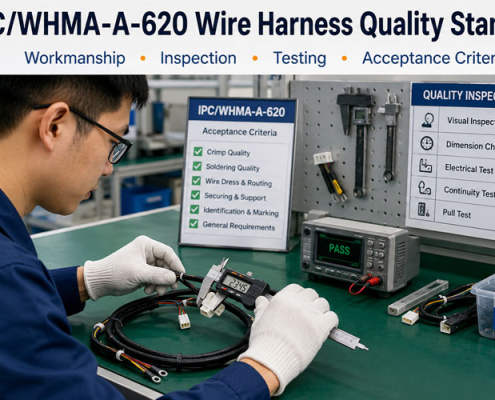 https://sz-fpi.com/wp-content/uploads/2026/07/Wire-Harness-Quality-Standard.jpg
500
800
FPIC
https://sz-fpi.com/wp-content/uploads/2024/01/Logo-31-1.png
FPIC2026-07-31 07:02:502026-09-17 02:20:04Wire Harness Acceptance Criteria: What IPC/WHMA-A-620 Means for OEM Buyers
 https://sz-fpi.com/wp-content/uploads/2026/07/custom-wire-harness-development-support-1.webp
800
1200
FPIC
https://sz-fpi.com/wp-content/uploads/2024/01/Logo-31-1.png
FPIC2026-07-13 02:39:142026-07-16 08:32:47How AI and Digitalization Are Transforming the Industry
 https://sz-fpi.com/wp-content/uploads/2026/07/automation-equipment-internal-harness.webp
800
1200
FPIC
https://sz-fpi.com/wp-content/uploads/2024/01/Logo-31-1.png
FPIC2026-07-13 02:03:132026-07-13 02:03:13Custom Wire Harnesses for Industrial Automation
 https://sz-fpi.com/wp-content/uploads/2026/07/Servo-System-Wiring-Architecture-Overview.jpg
500
800
FPIC
https://sz-fpi.com/wp-content/uploads/2024/01/Logo-31-1.png
FPIC2026-07-03 04:22:072026-09-17 02:32:35Wire Harness Design for Servo Systems: Reducing Noise, Crosstalk and Downtime
 https://sz-fpi.com/wp-content/uploads/2026/06/Industrial-Cable-Assembly-Structure-Overview.jpg
500
800
FPIC
https://sz-fpi.com/wp-content/uploads/2024/01/Logo-31-1.png
FPIC2026-06-29 03:17:422026-09-17 02:41:19How to Select Jacket, Shield and Strain Relief for Industrial Cable Assemblies