
 https://sz-fpi.com/wp-content/uploads/2026/10/wire-harness-branch-point-tolerance.webp
500
800
FPIC
https://sz-fpi.com/wp-content/uploads/2024/01/Logo-31-1.png
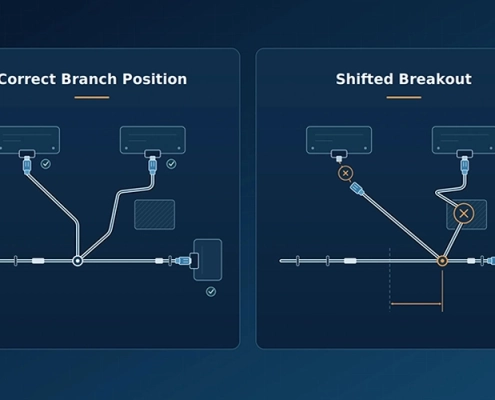
FPIC2026-10-20 09:49:592026-10-20 09:49:59Wire Harness Branch Point Tolerance: Why It Matters
https://sz-fpi.com/wp-content/uploads/2026/10/wire-harness-branch-point-tolerance.webp
500
800
FPIC
https://sz-fpi.com/wp-content/uploads/2024/01/Logo-31-1.png
FPIC2026-10-20 09:49:592026-10-20 09:49:59Wire Harness Branch Point Tolerance: Why It Matters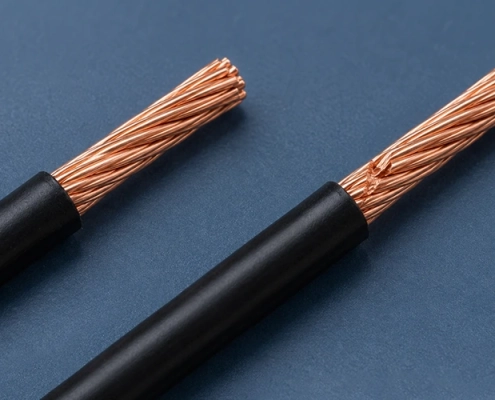 https://sz-fpi.com/wp-content/uploads/2026/10/conductor-nicking-in-wire-harnesses.webp
500
800
FPIC
https://sz-fpi.com/wp-content/uploads/2024/01/Logo-31-1.png
FPIC2026-10-20 08:39:432026-10-20 08:39:43Why Conductor Nicking Matters in Wire Harness Reliability
https://sz-fpi.com/wp-content/uploads/2026/10/conductor-nicking-in-wire-harnesses.webp
500
800
FPIC
https://sz-fpi.com/wp-content/uploads/2024/01/Logo-31-1.png
FPIC2026-10-20 08:39:432026-10-20 08:39:43Why Conductor Nicking Matters in Wire Harness Reliability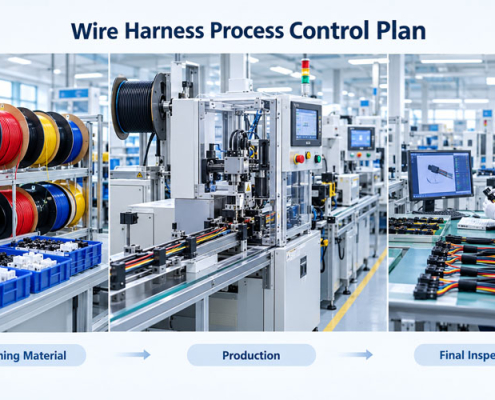 https://sz-fpi.com/wp-content/uploads/2026/10/Wire-Harness-Process-Control-Plan.jpg
500
800
FPIC
https://sz-fpi.com/wp-content/uploads/2024/01/Logo-31-1.png
FPIC2026-10-19 07:44:182026-10-19 07:44:18Wire Harness Process Control Plan: From Incoming Material to Final Inspection
https://sz-fpi.com/wp-content/uploads/2026/10/Wire-Harness-Process-Control-Plan.jpg
500
800
FPIC
https://sz-fpi.com/wp-content/uploads/2024/01/Logo-31-1.png
FPIC2026-10-19 07:44:182026-10-19 07:44:18Wire Harness Process Control Plan: From Incoming Material to Final Inspection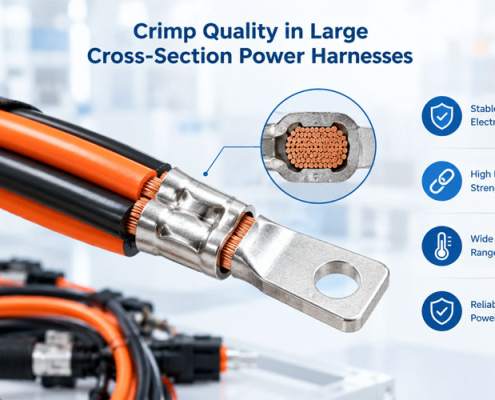 https://sz-fpi.com/wp-content/uploads/2026/10/Crimp-Quality-in-Large-Cross-Section-Power-Harnesses.jpg
500
800
FPIC
https://sz-fpi.com/wp-content/uploads/2024/01/Logo-31-1.png
FPIC2026-10-19 03:30:382026-10-19 03:30:38How to Control Crimp Quality in Large Cross-Section Power Harnesses
https://sz-fpi.com/wp-content/uploads/2026/10/Crimp-Quality-in-Large-Cross-Section-Power-Harnesses.jpg
500
800
FPIC
https://sz-fpi.com/wp-content/uploads/2024/01/Logo-31-1.png
FPIC2026-10-19 03:30:382026-10-19 03:30:38How to Control Crimp Quality in Large Cross-Section Power Harnesses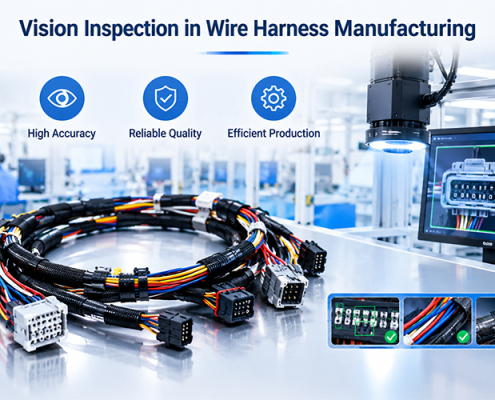 https://sz-fpi.com/wp-content/uploads/2026/10/Vision-Inspection-in-Wire-Harness-Manufacturing.jpg
500
800
FPIC
https://sz-fpi.com/wp-content/uploads/2024/01/Logo-31-1.png
FPIC2026-10-13 09:56:562026-10-13 09:57:27Vision Inspection in Wire Harness Manufacturing: Improving Assembly Accuracy
https://sz-fpi.com/wp-content/uploads/2026/10/Vision-Inspection-in-Wire-Harness-Manufacturing.jpg
500
800
FPIC
https://sz-fpi.com/wp-content/uploads/2024/01/Logo-31-1.png
FPIC2026-10-13 09:56:562026-10-13 09:57:27Vision Inspection in Wire Harness Manufacturing: Improving Assembly Accuracy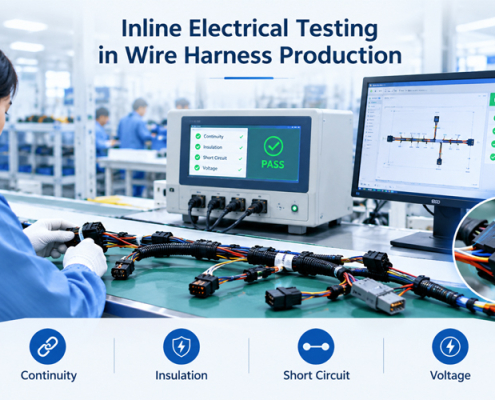 https://sz-fpi.com/wp-content/uploads/2026/10/Inline-Electrical-Testing-in-Wire-Harness-Production-1.jpg
500
800
FPIC
https://sz-fpi.com/wp-content/uploads/2024/01/Logo-31-1.png
FPIC2026-10-13 08:50:132026-10-13 08:50:13Inline Electrical Testing in Wire Harness Production: Benefits and Limitations
https://sz-fpi.com/wp-content/uploads/2026/10/Inline-Electrical-Testing-in-Wire-Harness-Production-1.jpg
500
800
FPIC
https://sz-fpi.com/wp-content/uploads/2024/01/Logo-31-1.png
FPIC2026-10-13 08:50:132026-10-13 08:50:13Inline Electrical Testing in Wire Harness Production: Benefits and Limitations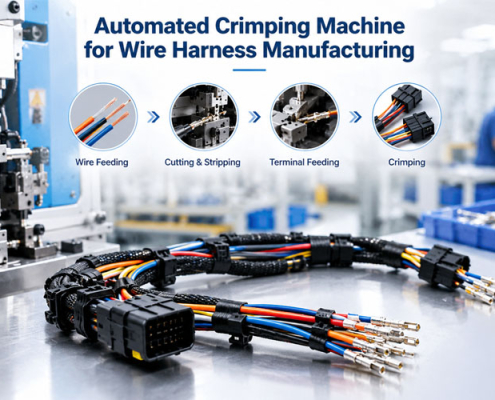 https://sz-fpi.com/wp-content/uploads/2026/10/Automated-Crimping-Machine-for-Wire-Harness-Manufacturing.jpg
500
800
FPIC
https://sz-fpi.com/wp-content/uploads/2024/01/Logo-31-1.png
FPIC2026-10-07 07:06:162026-10-07 07:06:16How Automated Crimping Machines Improve Wire Harness Consistency
https://sz-fpi.com/wp-content/uploads/2026/10/Automated-Crimping-Machine-for-Wire-Harness-Manufacturing.jpg
500
800
FPIC
https://sz-fpi.com/wp-content/uploads/2024/01/Logo-31-1.png
FPIC2026-10-07 07:06:162026-10-07 07:06:16How Automated Crimping Machines Improve Wire Harness Consistency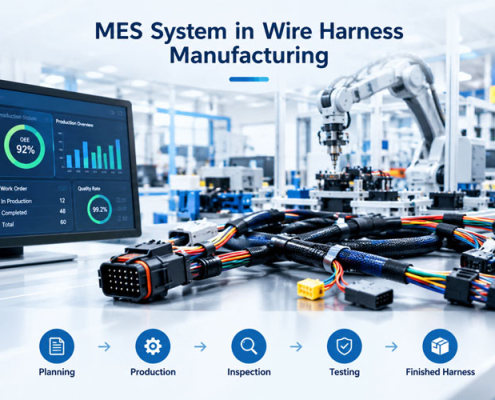 https://sz-fpi.com/wp-content/uploads/2026/10/MES-System-in-Wire-Harness-Manufacturing.jpg
500
800
FPIC
https://sz-fpi.com/wp-content/uploads/2024/01/Logo-31-1.png
FPIC2026-10-07 06:26:152026-10-07 06:28:29MES Systems in Wire Harness Manufacturing: From Data to Quality Control
https://sz-fpi.com/wp-content/uploads/2026/10/MES-System-in-Wire-Harness-Manufacturing.jpg
500
800
FPIC
https://sz-fpi.com/wp-content/uploads/2024/01/Logo-31-1.png
FPIC2026-10-07 06:26:152026-10-07 06:28:29MES Systems in Wire Harness Manufacturing: From Data to Quality Control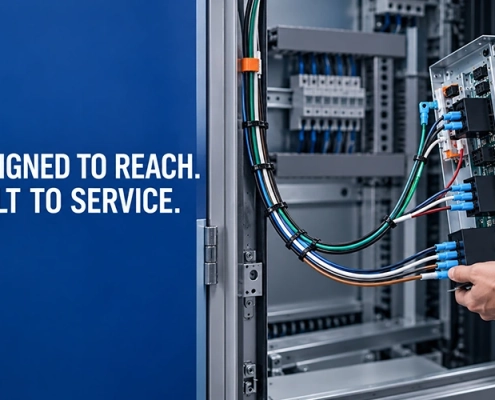 https://sz-fpi.com/wp-content/uploads/2026/09/wire-harness-service-loop-equipment-design-1.webp
500
800
FPIC
https://sz-fpi.com/wp-content/uploads/2024/01/Logo-31-1.png
FPIC2026-09-24 08:45:372026-09-24 08:45:37Why Wire Harness Service Loops Matter in Equipment Design
https://sz-fpi.com/wp-content/uploads/2026/09/wire-harness-service-loop-equipment-design-1.webp
500
800
FPIC
https://sz-fpi.com/wp-content/uploads/2024/01/Logo-31-1.png
FPIC2026-09-24 08:45:372026-09-24 08:45:37Why Wire Harness Service Loops Matter in Equipment Design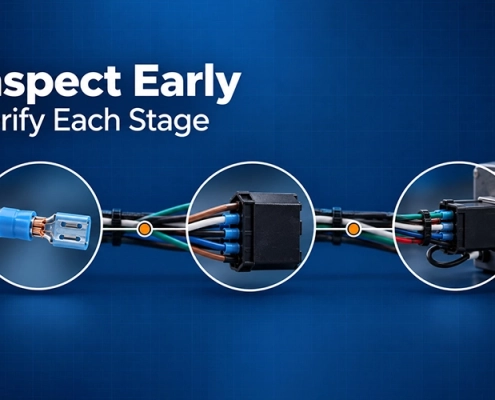 https://sz-fpi.com/wp-content/uploads/2026/09/wire-harness-in-process-inspection.webp
500
800
FPIC
https://sz-fpi.com/wp-content/uploads/2024/01/Logo-31-1.png
FPIC2026-09-24 08:29:582026-09-24 08:29:58Why Wire Harness In-Process Inspection Matters
https://sz-fpi.com/wp-content/uploads/2026/09/wire-harness-in-process-inspection.webp
500
800
FPIC
https://sz-fpi.com/wp-content/uploads/2024/01/Logo-31-1.png
FPIC2026-09-24 08:29:582026-09-24 08:29:58Why Wire Harness In-Process Inspection Matters