How AI and Digitalization Are Transforming the Industry
The wire harness industry is entering a new era driven by artificial intelligence, digital engineering platforms, and automated manufacturing technologies.
Traditional wire harness development often relies heavily on manual design reviews, physical prototypes, and operator experience. As products become more complex — especially in industrial automation, energy storage systems, medical equipment, and electric mobility — manufacturers need smarter tools to improve design accuracy, shorten development cycles, and ensure consistent production quality.
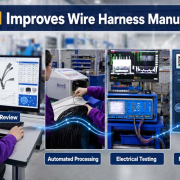
Modern wire harness manufacturing is evolving from a manual assembly process into a digitally connected workflow covering design engineering, simulation, prototype validation, automated processing, intelligent inspection, and full traceability production.
For customers looking for a reliable custom wire harness supplier, digital manufacturing capability has become an important factor when selecting a long-term partner.
In this article, we will explore:
- How AI improves wire harness design and engineering review
- Why digital platforms accelerate prototype development
- How automation improves manufacturing efficiency
- The importance of 100% electrical testing and traceability
- How FPIC combines engineering expertise with intelligent manufacturing
The Evolution of Wire Harness Development
A wire harness is not simply a group of cables assembled together. It is a highly engineered electrical system that must meet requirements for:
- Electrical performance
- Mechanical reliability
- Installation space
- Environmental resistance
- Safety compliance
- Long-term durability
As modern equipment becomes more intelligent, wire harness designs are becoming increasingly complex.
For example:
- Industrial robots require flexible harnesses that withstand repeated bending and twisting.
- Energy storage systems require high-current and safety-focused cable assemblies.
- Medical equipment requires reliable signal transmission and strict quality control.
- Automated equipment requires compact routing and high wiring accuracy.
These challenges require manufacturers to move beyond traditional manual methods toward digital engineering and automated manufacturing.
AI-Assisted Wire Harness Design and Engineering Optimization
Artificial intelligence is creating new possibilities in wire harness engineering.
During the early design stage, AI-assisted engineering tools can help engineers analyze:
Design Feasibility
AI can support engineers in evaluating:
- Cable routing space
- Connector positioning
- Bend radius requirements
- Assembly accessibility
- Potential interference risks
Design Error Prevention
Digital engineering platforms allow teams to identify problems before prototype production, reducing:
- Incorrect wire length
- Terminal mismatch
- Connector installation problems
- Assembly difficulties
Faster Design Iteration
Instead of repeatedly modifying physical samples, engineers can optimize designs digitally and shorten the development cycle.
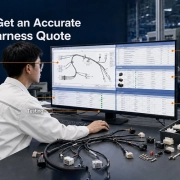
A professional wire harness supplier can combine customer requirements, 2D drawings, 3D models, electrical specifications, and manufacturing experience to create production-ready solutions faster.
Digital Engineering Creates a Bridge Between Design and Manufacturing
A major challenge in wire harness production is ensuring that engineering designs can be accurately transferred into manufacturing.
Digital manufacturing systems help connect:
Customer Requirements → Engineering Design → Production Process → Quality Verification
A complete digital workflow typically includes:
Requirement Analysis
Engineers review:
- Application environment
- Voltage and current requirements
- Cable specifications
- Connector selection
- Testing requirements
Wire Harness Design
Engineering teams develop:
- Wire routing solutions
- Cable length specifications
- Terminal configurations
- Connector layouts
- Assembly instructions
Prototype Validation
Before mass production, prototypes are evaluated through:
- Dimensional inspection
- Electrical testing
- Assembly verification
- Functional validation
This process reduces production risks and improves first-time approval rates.
Automated Manufacturing Improves Efficiency and Consistency
As wire harness products become more customized and complex, automation has become essential.
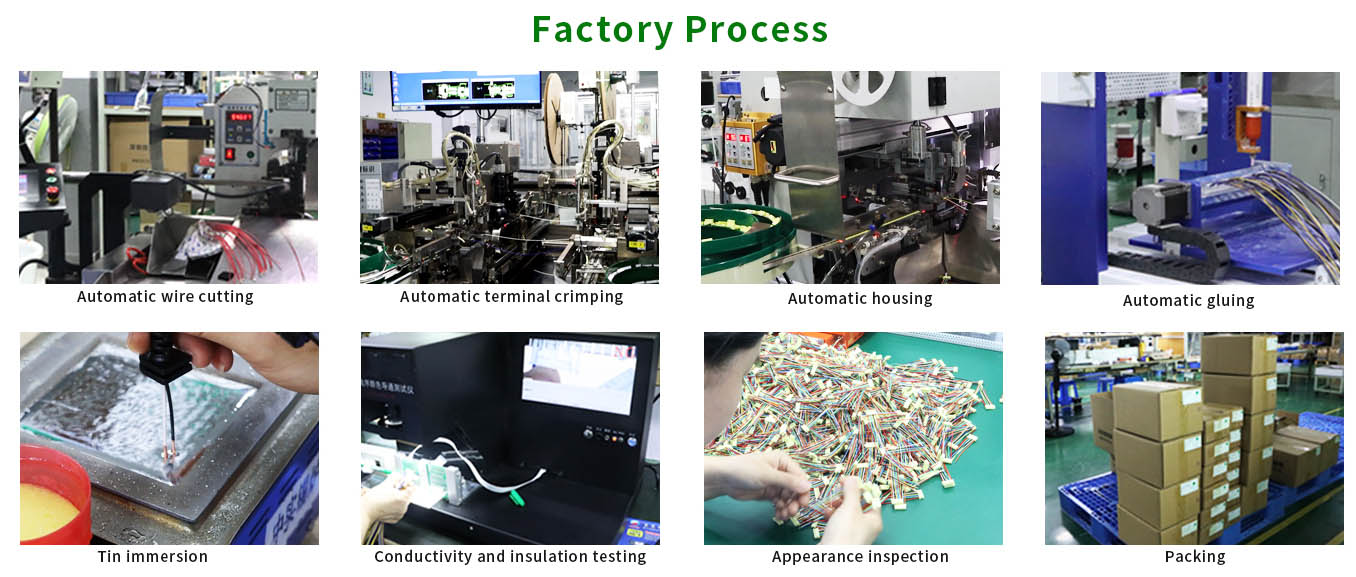
Modern automated wire harness production includes:
Automatic Wire Cutting and Stripping
Automated equipment ensures:
- Accurate wire length
- Stable stripping quality
- Reduced human error
Automatic Terminal Crimping
Precise crimping control helps maintain:
- Pull-out strength
- Electrical conductivity
- Connection reliability
Automatic Housing Insertion
Automated insertion equipment improves:
- Assembly consistency
- Production efficiency
- Product appearance
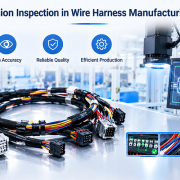
Intelligent Inspection
Vision systems and electrical testing equipment help detect:
- Missing terminals
- Incorrect insertion
- Wiring errors
- Short circuits
- Open circuits
FPIC has developed automated wire harness production capabilities including automatic wire cutting, terminal crimping, double-end housing insertion, appearance inspection, alignment inspection, and electrical testing.
100% Electrical Testing Ensures Production Reliability
For customized wire harnesses, quality cannot depend only on sampling inspection.
Professional manufacturers implement 100% electrical testing to verify every finished assembly.
Typical tests include:
- Continuity testing
- Short circuit testing
- Open circuit testing
- Insulation resistance testing
- High voltage testing (when required)
For critical industries such as medical equipment, industrial automation, and energy systems, complete testing records provide customers with confidence and production traceability.
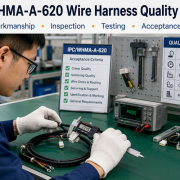
FPIC applies comprehensive quality control practices, including incoming material inspection, 100% quality control, and compliance with IPC/WHMA-A-620 cable and harness requirements.
Digital Traceability Supports Smart Manufacturing
Digital transformation is not only about automation equipment.
It also includes manufacturing data management.
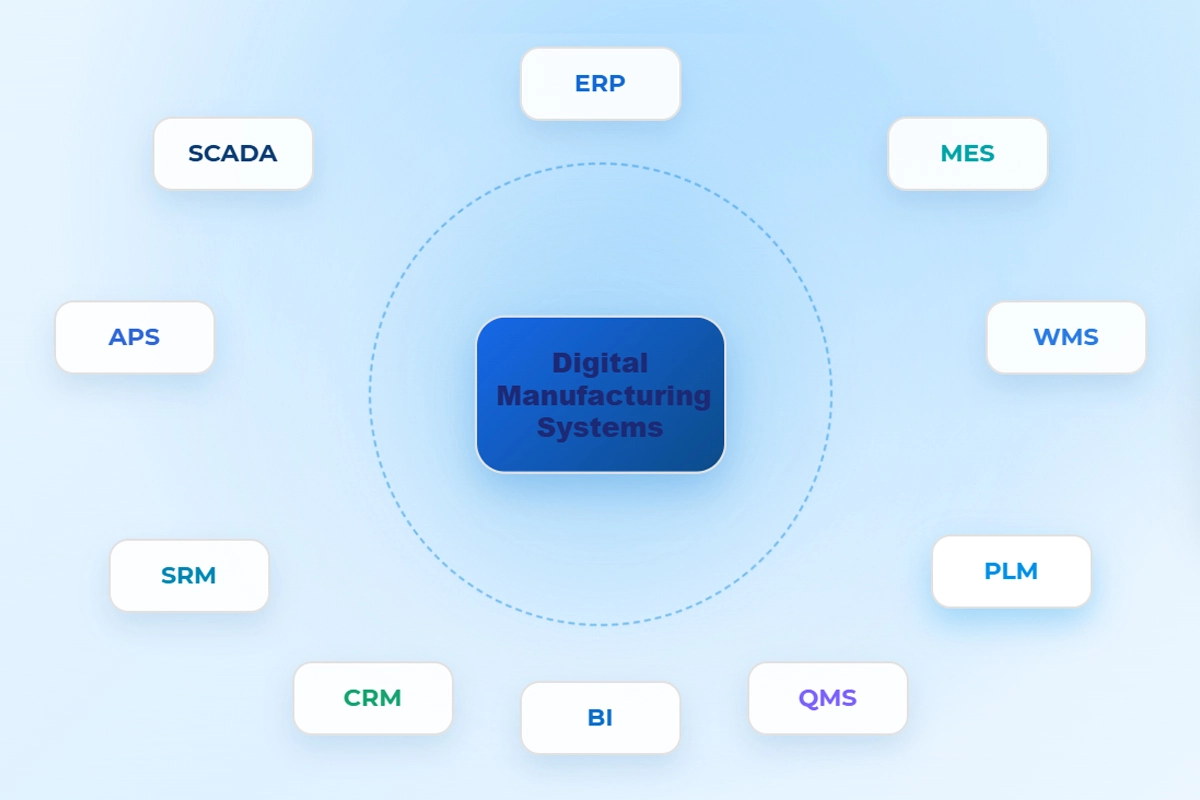
Modern wire harness factories use systems such as:
- ERP for resource planning
- MES for production execution
- PLM for engineering data management
- WMS for warehouse control
- Quality management systems for process monitoring
These systems enable:
- Production status tracking
- Material traceability
- Process monitoring
- Quality data collection
- Faster problem analysis
For global customers, digital traceability provides stronger supply chain transparency and supports stable long-term cooperation.
FPIC: Combining Engineering Experience with Digital Manufacturing
With more than two decades of experience in connector and cable assembly manufacturing, FPIC provides customized wire harness solutions for industrial equipment, new energy systems, medical devices, and other applications.
Our capabilities include:
Engineering Support
- Requirement evaluation
- Wire harness design
- Material selection
- Prototype development
- Production optimization
Manufacturing Capability
- Automated wire processing
- Terminal crimping
- Connector assembly
- Cable assembly
- Electrical testing
Quality Systems
FPIC operates under internationally recognized management systems including:
- ISO9001
- ISO14001
- ISO45001
- ISO13485
- IATF16949
- UL and TUV certifications
By combining engineering expertise, automated production, and digital management systems, FPIC helps customers transform wire harness concepts into reliable production solutions.
The Future of Wire Harness Manufacturing
The future of wire harness manufacturing will not simply depend on more automation equipment.
It will depend on the integration of:
- Artificial intelligence
- Digital engineering
- Smart manufacturing
- Automated inspection
- Data-driven quality management
Manufacturers that successfully combine engineering knowledge with digital technology will be better positioned to support increasingly complex products and global supply chains.
For companies developing industrial equipment, energy systems, medical devices, or intelligent machines, choosing a wire harness supplier with both engineering capability and manufacturing digitalization is becoming increasingly important.
FAQ
1. How is AI used in wire harness manufacturing?
AI helps engineers optimize design layouts, identify potential problems, improve development efficiency, and support smarter manufacturing decisions.
2. Why is digital engineering important for wire harness design?
Digital engineering reduces design errors, improves communication between engineering and production teams, and shortens prototype development cycles.
3. What automation processes are used in wire harness production?
Common automated processes include wire cutting, stripping, terminal crimping, housing insertion, inspection, and electrical testing.
4. Why is 100% testing important for cable assemblies?
100% testing ensures every finished harness meets electrical requirements and reduces the risk of failures in customer applications.
5. How can I select a reliable custom wire harness manufacturer?
Look for suppliers with engineering support, automated production capability, quality certifications, testing systems, and experience with similar applications.
Need a Reliable Custom Wire Harness Manufacturing Partner?
From engineering design and prototype validation to automated production and quality verification, FPIC provides complete OEM wire harness solutions for industrial equipment, energy systems, medical devices, and advanced applications.
Contact FPIC today to discuss your wire harness project requirements.
Resources
Wiring Harness Industry Insights – Digital Transformation and Automated Manufacturing Trends
IPC/WHMA-A-620 Requirements and Acceptance for Cable and Wire Harness Assemblies