
 https://sz-fpi.com/wp-content/uploads/2026/09/Wire-Harness-Strain-Relief-Design.jpg
500
800
FPIC
https://sz-fpi.com/wp-content/uploads/2024/01/Logo-31-1.png
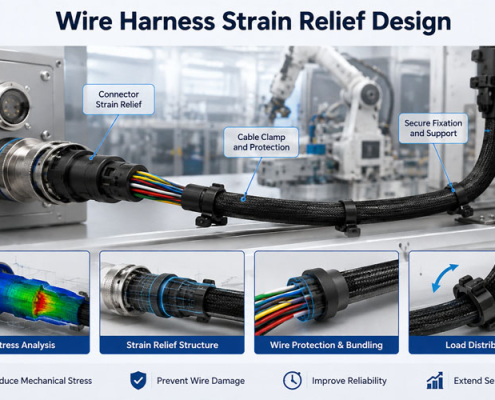
FPIC2026-09-02 09:25:492026-09-17 01:43:02Strain Relief Design in Wire Harness Assemblies: Preventing Cable Failure
https://sz-fpi.com/wp-content/uploads/2026/09/Wire-Harness-Strain-Relief-Design.jpg
500
800
FPIC
https://sz-fpi.com/wp-content/uploads/2024/01/Logo-31-1.png
FPIC2026-09-02 09:25:492026-09-17 01:43:02Strain Relief Design in Wire Harness Assemblies: Preventing Cable Failure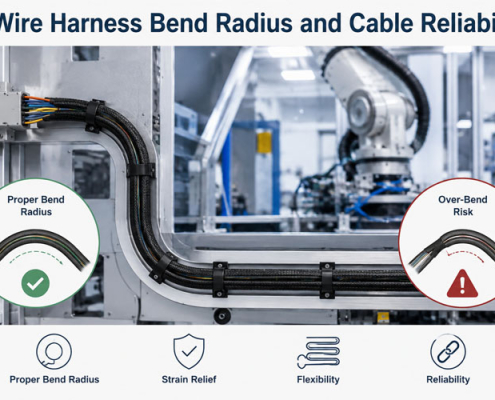 https://sz-fpi.com/wp-content/uploads/2026/08/Wire-Harness-Bend-Radius-and-Cable-Reliability.jpg
500
800
FPIC
https://sz-fpi.com/wp-content/uploads/2024/01/Logo-31-1.png
FPIC2026-08-26 10:40:542026-09-17 01:53:28Wire Harness Bend Radius: How It Affects Cable Life and Reliability
https://sz-fpi.com/wp-content/uploads/2026/08/Wire-Harness-Bend-Radius-and-Cable-Reliability.jpg
500
800
FPIC
https://sz-fpi.com/wp-content/uploads/2024/01/Logo-31-1.png
FPIC2026-08-26 10:40:542026-09-17 01:53:28Wire Harness Bend Radius: How It Affects Cable Life and Reliability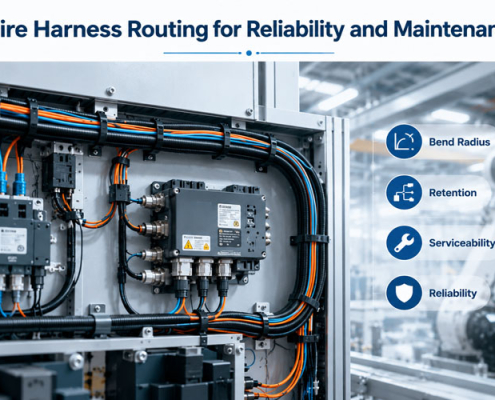 https://sz-fpi.com/wp-content/uploads/2026/08/Wire-Harness-Routing-for-Reliability-and-Maintenance.jpg
500
800
FPIC
https://sz-fpi.com/wp-content/uploads/2024/01/Logo-31-1.png
FPIC2026-08-26 09:40:092026-09-17 01:54:04How to Optimize Wire Harness Routing for Reliability and Maintenance
https://sz-fpi.com/wp-content/uploads/2026/08/Wire-Harness-Routing-for-Reliability-and-Maintenance.jpg
500
800
FPIC
https://sz-fpi.com/wp-content/uploads/2024/01/Logo-31-1.png
FPIC2026-08-26 09:40:092026-09-17 01:54:04How to Optimize Wire Harness Routing for Reliability and Maintenance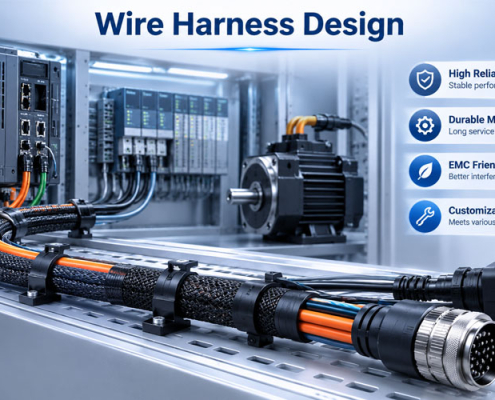 https://sz-fpi.com/wp-content/uploads/2026/08/Wire-Harness-Design.jpg
500
800
FPIC
https://sz-fpi.com/wp-content/uploads/2024/01/Logo-31-1.png
FPIC2026-08-18 09:27:282026-09-17 02:00:11Wire Harness Design Review Checklist for OEM Engineering Teams
https://sz-fpi.com/wp-content/uploads/2026/08/Wire-Harness-Design.jpg
500
800
FPIC
https://sz-fpi.com/wp-content/uploads/2024/01/Logo-31-1.png
FPIC2026-08-18 09:27:282026-09-17 02:00:11Wire Harness Design Review Checklist for OEM Engineering Teams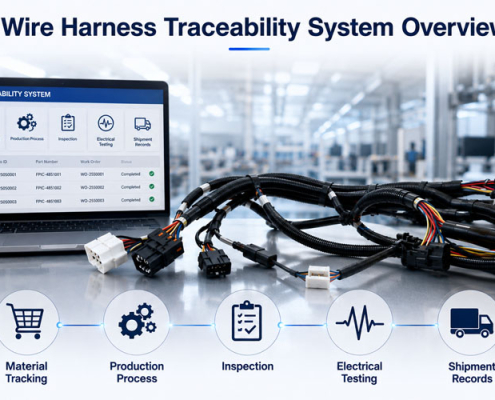 https://sz-fpi.com/wp-content/uploads/2026/08/Custom-Wire-Harness-Traceability-System-Overview.jpg
500
800
FPIC
https://sz-fpi.com/wp-content/uploads/2024/01/Logo-31-1.png
FPIC2026-08-18 08:20:562026-09-17 02:00:22Why Traceability Matters in Custom Wire Harness Manufacturing
https://sz-fpi.com/wp-content/uploads/2026/08/Custom-Wire-Harness-Traceability-System-Overview.jpg
500
800
FPIC
https://sz-fpi.com/wp-content/uploads/2024/01/Logo-31-1.png
FPIC2026-08-18 08:20:562026-09-17 02:00:22Why Traceability Matters in Custom Wire Harness Manufacturing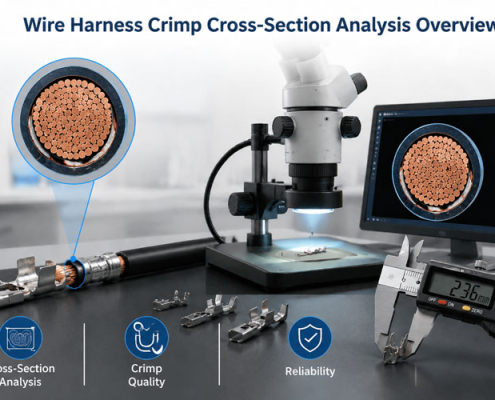 https://sz-fpi.com/wp-content/uploads/2026/08/Wire-Harness-Crimp-Cross-Section-Analysis-Overview.jpg
500
800
FPIC
https://sz-fpi.com/wp-content/uploads/2024/01/Logo-31-1.png
FPIC2026-08-11 08:22:502026-09-17 02:08:42How to Use Cross-Section Analysis to Improve Crimp Reliability
https://sz-fpi.com/wp-content/uploads/2026/08/Wire-Harness-Crimp-Cross-Section-Analysis-Overview.jpg
500
800
FPIC
https://sz-fpi.com/wp-content/uploads/2024/01/Logo-31-1.png
FPIC2026-08-11 08:22:502026-09-17 02:08:42How to Use Cross-Section Analysis to Improve Crimp Reliability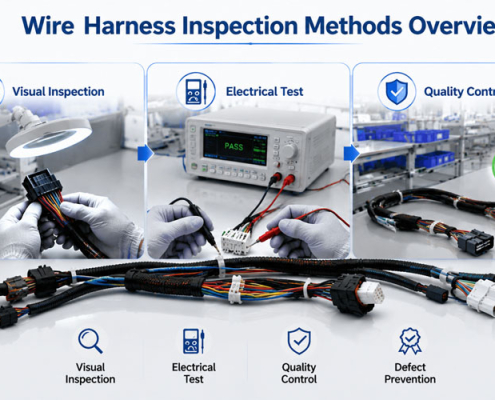 https://sz-fpi.com/wp-content/uploads/2026/08/Wire-Harness-Inspection-Methods-Overview.jpg
500
800
FPIC
https://sz-fpi.com/wp-content/uploads/2024/01/Logo-31-1.png
FPIC2026-08-11 07:29:082026-09-17 02:08:20Wire Harness Visual Inspection vs Electrical Test: What Each Method Can and Cannot Catch
https://sz-fpi.com/wp-content/uploads/2026/08/Wire-Harness-Inspection-Methods-Overview.jpg
500
800
FPIC
https://sz-fpi.com/wp-content/uploads/2024/01/Logo-31-1.png
FPIC2026-08-11 07:29:082026-09-17 02:08:20Wire Harness Visual Inspection vs Electrical Test: What Each Method Can and Cannot Catch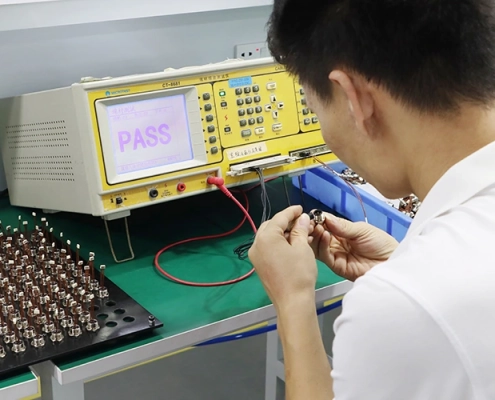 https://sz-fpi.com/wp-content/uploads/2026/08/Wire-Harness-Quality-Control-Through-Nonconformance-Management.webp
500
800
FPIC
https://sz-fpi.com/wp-content/uploads/2024/01/Logo-31-1.png
FPIC2026-08-03 09:43:082026-08-05 06:08:21Wire Harness Quality Control: How Nonconformance Management Works
https://sz-fpi.com/wp-content/uploads/2026/08/Wire-Harness-Quality-Control-Through-Nonconformance-Management.webp
500
800
FPIC
https://sz-fpi.com/wp-content/uploads/2024/01/Logo-31-1.png
FPIC2026-08-03 09:43:082026-08-05 06:08:21Wire Harness Quality Control: How Nonconformance Management Works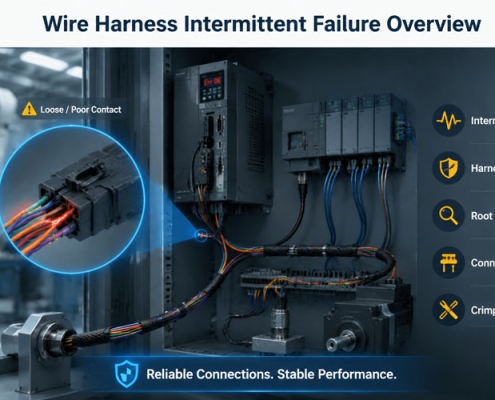 https://sz-fpi.com/wp-content/uploads/2026/08/Wire-Harness-Intermittent-Failure-Overview.jpg
500
800
FPIC
https://sz-fpi.com/wp-content/uploads/2024/01/Logo-31-1.png
FPIC2026-08-03 09:39:222026-09-17 02:13:05Top Root Causes of Intermittent Failure in Wire Harness Assemblies
https://sz-fpi.com/wp-content/uploads/2026/08/Wire-Harness-Intermittent-Failure-Overview.jpg
500
800
FPIC
https://sz-fpi.com/wp-content/uploads/2024/01/Logo-31-1.png
FPIC2026-08-03 09:39:222026-09-17 02:13:05Top Root Causes of Intermittent Failure in Wire Harness Assemblies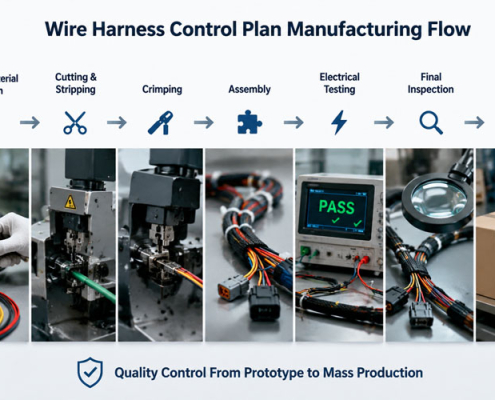 https://sz-fpi.com/wp-content/uploads/2026/08/Wire-Harness-Control-Plan-Manufacturing-Flow.jpg
500
800
FPIC
https://sz-fpi.com/wp-content/uploads/2024/01/Logo-31-1.png
FPIC2026-08-03 08:45:452026-09-17 02:12:44How to Build a Wire Harness Control Plan for Mass Production
https://sz-fpi.com/wp-content/uploads/2026/08/Wire-Harness-Control-Plan-Manufacturing-Flow.jpg
500
800
FPIC
https://sz-fpi.com/wp-content/uploads/2024/01/Logo-31-1.png
FPIC2026-08-03 08:45:452026-09-17 02:12:44How to Build a Wire Harness Control Plan for Mass Production