
 https://sz-fpi.com/wp-content/uploads/2026/09/National-Day.jpg
500
800
FPIC
https://sz-fpi.com/wp-content/uploads/2024/01/Logo-31-1.png
FPIC2026-09-28 08:15:422026-09-28 09:08:52China National Day Holiday Notice 2026
https://sz-fpi.com/wp-content/uploads/2026/09/National-Day.jpg
500
800
FPIC
https://sz-fpi.com/wp-content/uploads/2024/01/Logo-31-1.png
FPIC2026-09-28 08:15:422026-09-28 09:08:52China National Day Holiday Notice 2026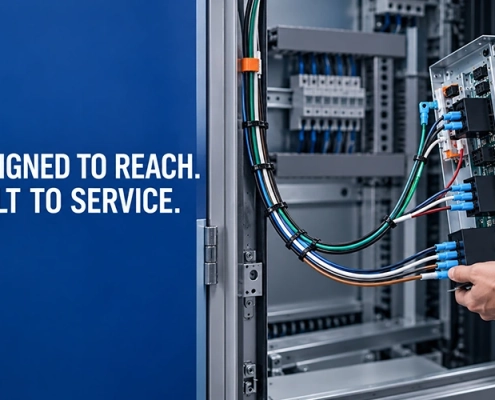 https://sz-fpi.com/wp-content/uploads/2026/09/wire-harness-service-loop-equipment-design-1.webp
500
800
FPIC
https://sz-fpi.com/wp-content/uploads/2024/01/Logo-31-1.png
FPIC2026-09-24 08:45:372026-09-24 08:45:37Why Wire Harness Service Loops Matter in Equipment Design
https://sz-fpi.com/wp-content/uploads/2026/09/wire-harness-service-loop-equipment-design-1.webp
500
800
FPIC
https://sz-fpi.com/wp-content/uploads/2024/01/Logo-31-1.png
FPIC2026-09-24 08:45:372026-09-24 08:45:37Why Wire Harness Service Loops Matter in Equipment Design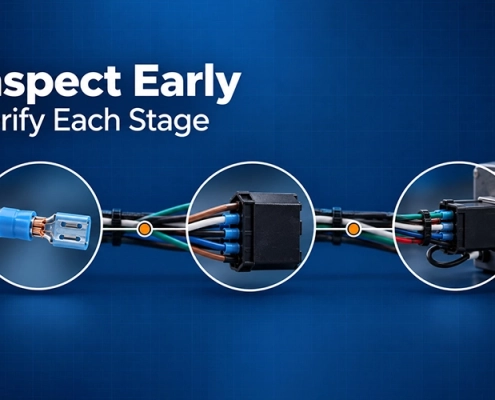 https://sz-fpi.com/wp-content/uploads/2026/09/wire-harness-in-process-inspection.webp
500
800
FPIC
https://sz-fpi.com/wp-content/uploads/2024/01/Logo-31-1.png
FPIC2026-09-24 08:29:582026-09-24 08:29:58Why Wire Harness In-Process Inspection Matters
https://sz-fpi.com/wp-content/uploads/2026/09/wire-harness-in-process-inspection.webp
500
800
FPIC
https://sz-fpi.com/wp-content/uploads/2024/01/Logo-31-1.png
FPIC2026-09-24 08:29:582026-09-24 08:29:58Why Wire Harness In-Process Inspection Matters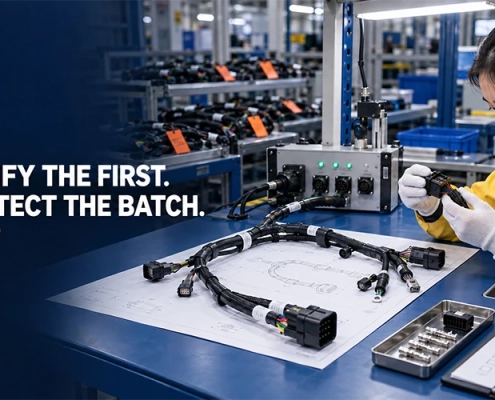 https://sz-fpi.com/wp-content/uploads/2026/09/wire-harness-fai-high-mix-batch-release.webp
500
800
FPIC
https://sz-fpi.com/wp-content/uploads/2024/01/Logo-31-1.png
FPIC2026-09-24 02:42:342026-09-24 02:42:34Why FAI Matters in High-Mix Wire Harness Production
https://sz-fpi.com/wp-content/uploads/2026/09/wire-harness-fai-high-mix-batch-release.webp
500
800
FPIC
https://sz-fpi.com/wp-content/uploads/2024/01/Logo-31-1.png
FPIC2026-09-24 02:42:342026-09-24 02:42:34Why FAI Matters in High-Mix Wire Harness Production https://sz-fpi.com/wp-content/uploads/2026/09/Mid-Autumn-Festival.jpg
500
800
FPIC
https://sz-fpi.com/wp-content/uploads/2024/01/Logo-31-1.png
FPIC2026-09-22 03:36:552026-09-24 04:32:15Mid-Autumn Festival Holiday Notice 2026
https://sz-fpi.com/wp-content/uploads/2026/09/Mid-Autumn-Festival.jpg
500
800
FPIC
https://sz-fpi.com/wp-content/uploads/2024/01/Logo-31-1.png
FPIC2026-09-22 03:36:552026-09-24 04:32:15Mid-Autumn Festival Holiday Notice 2026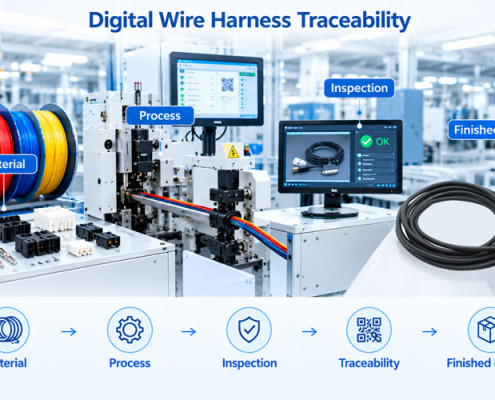 https://sz-fpi.com/wp-content/uploads/2026/09/Digital-Wire-Harness-Traceability.jpg
500
800
FPIC
https://sz-fpi.com/wp-content/uploads/2024/01/Logo-31-1.png
FPIC2026-09-15 02:59:442026-09-17 01:30:25How Digital Manufacturing Improves Wire Harness Traceability
https://sz-fpi.com/wp-content/uploads/2026/09/Digital-Wire-Harness-Traceability.jpg
500
800
FPIC
https://sz-fpi.com/wp-content/uploads/2024/01/Logo-31-1.png
FPIC2026-09-15 02:59:442026-09-17 01:30:25How Digital Manufacturing Improves Wire Harness Traceability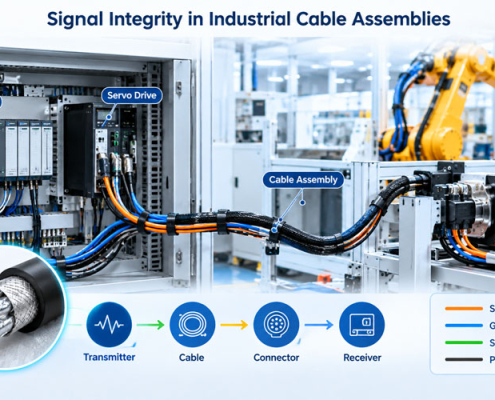 https://sz-fpi.com/wp-content/uploads/2026/09/Signal-Integrity-in-Industrial-Cable-Assemblies.jpg
500
800
FPIC
https://sz-fpi.com/wp-content/uploads/2024/01/Logo-31-1.png
FPIC2026-09-15 02:20:322026-09-17 01:30:40Signal Integrity Considerations in Industrial Cable Assemblies
https://sz-fpi.com/wp-content/uploads/2026/09/Signal-Integrity-in-Industrial-Cable-Assemblies.jpg
500
800
FPIC
https://sz-fpi.com/wp-content/uploads/2024/01/Logo-31-1.png
FPIC2026-09-15 02:20:322026-09-17 01:30:40Signal Integrity Considerations in Industrial Cable Assemblies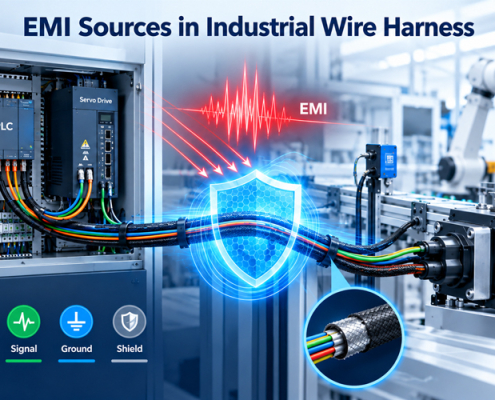 https://sz-fpi.com/wp-content/uploads/2026/09/EMI-Sources-in-Industrial-Wire-Harness.jpg
500
800
FPIC
https://sz-fpi.com/wp-content/uploads/2024/01/Logo-31-1.png
FPIC2026-09-08 02:50:582026-09-17 01:29:25How EMI Shielding Improves Industrial Wire Harness Reliability
https://sz-fpi.com/wp-content/uploads/2026/09/EMI-Sources-in-Industrial-Wire-Harness.jpg
500
800
FPIC
https://sz-fpi.com/wp-content/uploads/2024/01/Logo-31-1.png
FPIC2026-09-08 02:50:582026-09-17 01:29:25How EMI Shielding Improves Industrial Wire Harness Reliability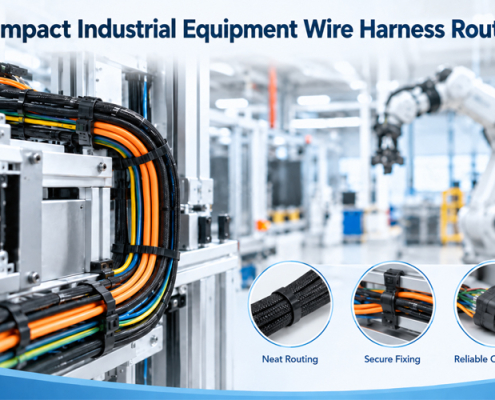 https://sz-fpi.com/wp-content/uploads/2026/09/Compact-Industrial-Equipment-Wire-Harness-Routing.jpg
500
800
FPIC
https://sz-fpi.com/wp-content/uploads/2024/01/Logo-31-1.png
FPIC2026-09-08 02:01:512026-09-08 02:01:51Wire Harness Design Considerations for Compact Industrial Equipment
https://sz-fpi.com/wp-content/uploads/2026/09/Compact-Industrial-Equipment-Wire-Harness-Routing.jpg
500
800
FPIC
https://sz-fpi.com/wp-content/uploads/2024/01/Logo-31-1.png
FPIC2026-09-08 02:01:512026-09-08 02:01:51Wire Harness Design Considerations for Compact Industrial Equipment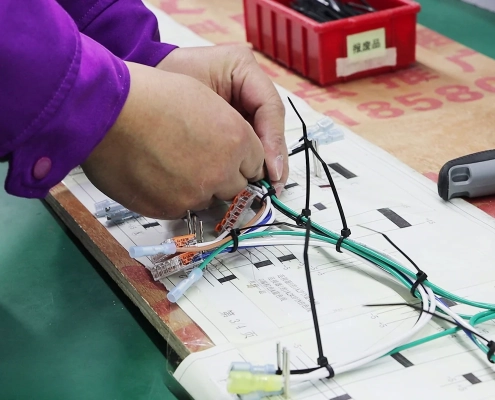 https://sz-fpi.com/wp-content/uploads/2026/07/How-Prototype-Samples-Are-Manufactured-and-Verified.webp
800
1200
FPIC
https://sz-fpi.com/wp-content/uploads/2024/01/Logo-31-1.png
FPIC2026-09-07 04:32:432026-09-07 04:32:43Why Wire Harness Change Control Matters in Production
https://sz-fpi.com/wp-content/uploads/2026/07/How-Prototype-Samples-Are-Manufactured-and-Verified.webp
800
1200
FPIC
https://sz-fpi.com/wp-content/uploads/2024/01/Logo-31-1.png
FPIC2026-09-07 04:32:432026-09-07 04:32:43Why Wire Harness Change Control Matters in Production