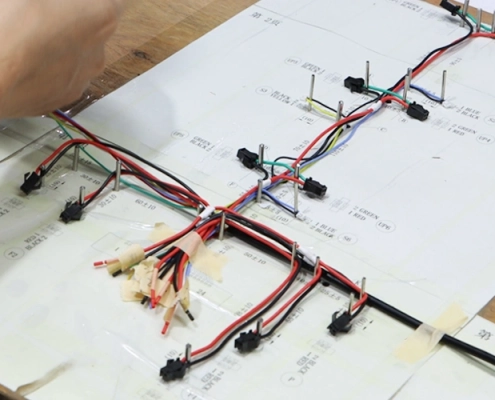
 https://sz-fpi.com/wp-content/uploads/2026/10/wire-harness-assembly-fixtures.webp
500
800
FPIC
https://sz-fpi.com/wp-content/uploads/2024/01/Logo-31-1.png
FPIC2026-10-29 08:30:292026-10-29 08:30:29Why Wire Harness Assembly Fixtures Matter for Manufacturing Consistency
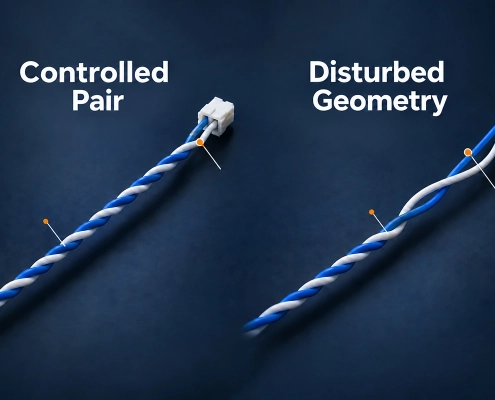 https://sz-fpi.com/wp-content/uploads/2026/10/twisted-pair-wire-harness-twist-pitch-1.webp
800
1200
FPIC
https://sz-fpi.com/wp-content/uploads/2024/01/Logo-31-1.png
FPIC2026-10-29 07:45:082026-10-29 07:45:08Twisted Pair Wire Harness: Why Twist Pitch Matters
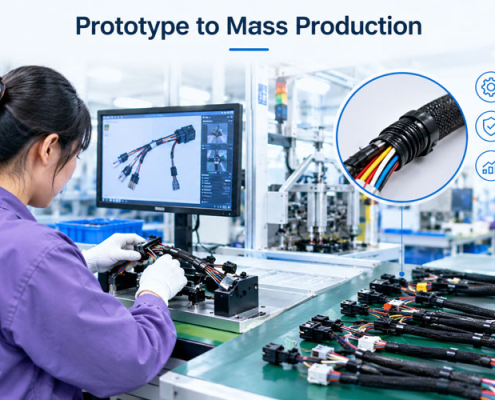 https://sz-fpi.com/wp-content/uploads/2026/10/Wire-Harness-Prototype-to-Mass-Production.jpg
500
800
FPIC
https://sz-fpi.com/wp-content/uploads/2024/01/Logo-31-1.png
FPIC2026-10-27 08:24:492026-10-27 08:24:49Prototype to Mass Production: Wire Harness Manufacturing Challenges
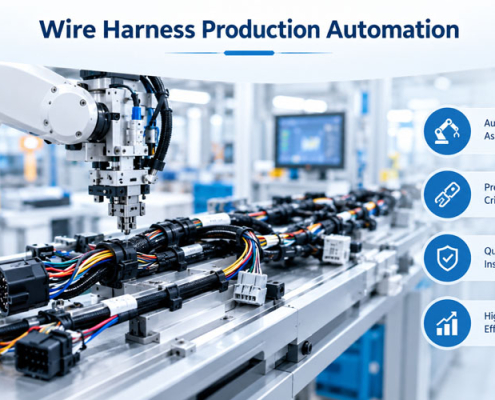 https://sz-fpi.com/wp-content/uploads/2026/10/Wire-Harness-Production-Automation.jpg
500
800
FPIC
https://sz-fpi.com/wp-content/uploads/2024/01/Logo-31-1.png
FPIC2026-10-27 04:22:012026-10-27 04:22:01How Automation Improves Wire Harness Production Efficiency
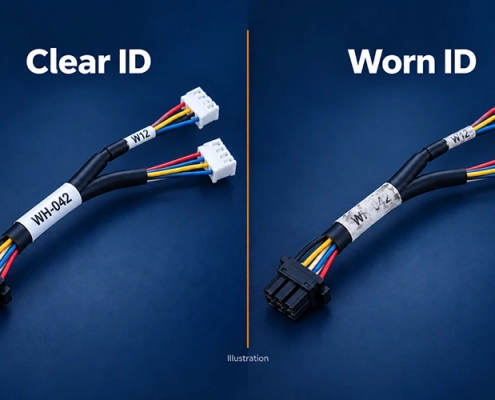 https://sz-fpi.com/wp-content/uploads/2026/10/wire-harness-identification-labels.webp
500
800
FPIC
https://sz-fpi.com/wp-content/uploads/2024/01/Logo-31-1.png
FPIC2026-10-23 09:08:552026-10-23 09:08:55Why Wire Harness Identification Labels Matter
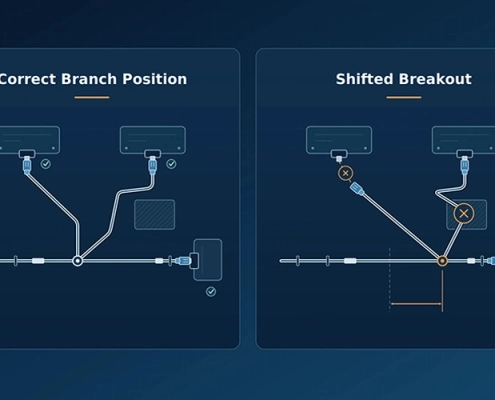 https://sz-fpi.com/wp-content/uploads/2026/10/wire-harness-branch-point-tolerance.webp
500
800
FPIC
https://sz-fpi.com/wp-content/uploads/2024/01/Logo-31-1.png
FPIC2026-10-20 09:49:592026-10-20 09:49:59Wire Harness Branch Point Tolerance: Why It Matters
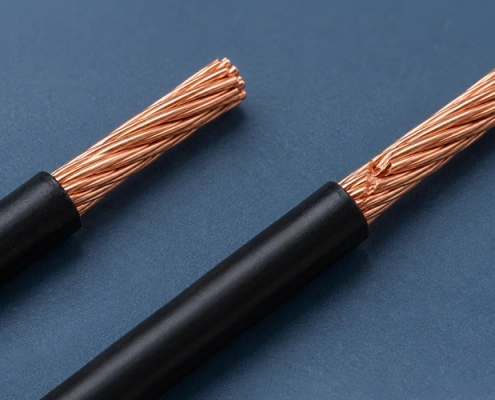 https://sz-fpi.com/wp-content/uploads/2026/10/conductor-nicking-in-wire-harnesses.webp
500
800
FPIC
https://sz-fpi.com/wp-content/uploads/2024/01/Logo-31-1.png
FPIC2026-10-20 08:39:432026-10-20 08:39:43Why Conductor Nicking Matters in Wire Harness Reliability
 https://sz-fpi.com/wp-content/uploads/2026/10/Wire-Harness-Process-Control-Plan.jpg
500
800
FPIC
https://sz-fpi.com/wp-content/uploads/2024/01/Logo-31-1.png
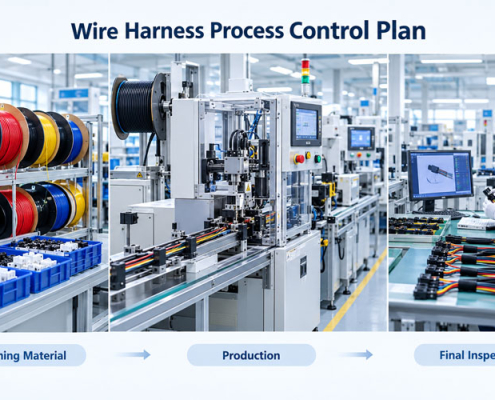
FPIC2026-10-19 07:44:182026-10-19 07:44:18Wire Harness Process Control Plan: From Incoming Material to Final Inspection
 https://sz-fpi.com/wp-content/uploads/2026/10/Crimp-Quality-in-Large-Cross-Section-Power-Harnesses.jpg
500
800
FPIC
https://sz-fpi.com/wp-content/uploads/2024/01/Logo-31-1.png
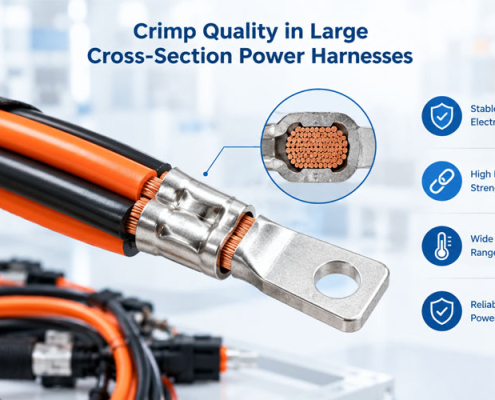
FPIC2026-10-19 03:30:382026-10-19 03:30:38How to Control Crimp Quality in Large Cross-Section Power Harnesses
 https://sz-fpi.com/wp-content/uploads/2026/10/Vision-Inspection-in-Wire-Harness-Manufacturing.jpg
500
800
FPIC
https://sz-fpi.com/wp-content/uploads/2024/01/Logo-31-1.png
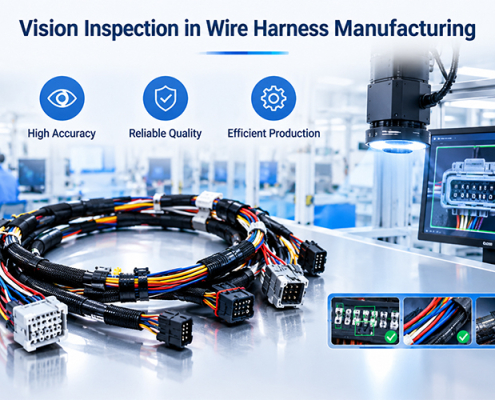
FPIC2026-10-13 09:56:562026-10-13 09:57:27Vision Inspection in Wire Harness Manufacturing: Improving Assembly Accuracy