
Tag Archive for: Wire harness
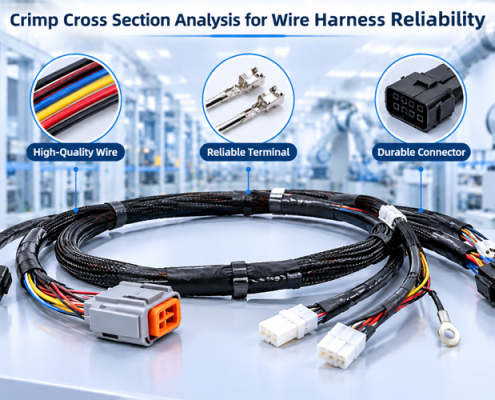 https://sz-fpi.com/wp-content/uploads/2026/11/Crimp-Cross-Section-Analysis-for-Wire-Harness-Reliability.jpg
500
800
FPIC
https://sz-fpi.com/wp-content/uploads/2024/01/Logo-31-1.png
FPIC2026-11-10 03:31:482026-11-10 03:31:48How Cross Section Analysis Improves Wire Harness Crimp Reliability
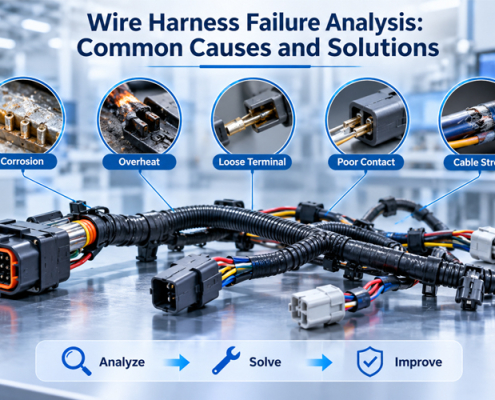 https://sz-fpi.com/wp-content/uploads/2026/11/Wire-Harness-Failure-Analysis.jpg
500
800
FPIC
https://sz-fpi.com/wp-content/uploads/2024/01/Logo-31-1.png
FPIC2026-11-10 02:39:272026-11-10 02:39:27Wire Harness Failure Analysis: Common Causes and Solutions
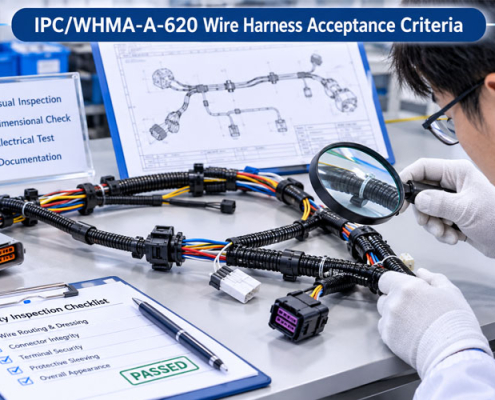 https://sz-fpi.com/wp-content/uploads/2026/11/Wire-Harness-Acceptance-Criteria.jpg
500
800
FPIC
https://sz-fpi.com/wp-content/uploads/2024/01/Logo-31-1.png
FPIC2026-11-03 03:45:542026-11-03 03:56:47Wire Harness Acceptance Criteria Based on IPC/WHMA-A-620
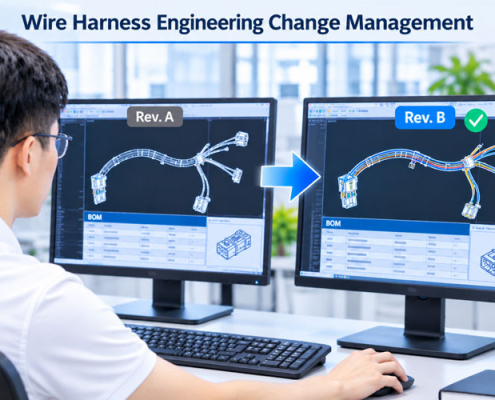 https://sz-fpi.com/wp-content/uploads/2026/11/Wire-Harness-Engineering-Change-Management.jpg
500
800
FPIC
https://sz-fpi.com/wp-content/uploads/2024/01/Logo-31-1.png
FPIC2026-11-03 02:52:432026-11-03 02:52:43How Engineering Change Management Prevents Wire Harness Errors
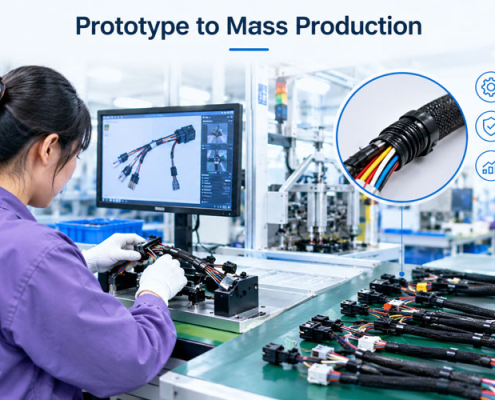 https://sz-fpi.com/wp-content/uploads/2026/10/Wire-Harness-Prototype-to-Mass-Production.jpg
500
800
FPIC
https://sz-fpi.com/wp-content/uploads/2024/01/Logo-31-1.png
FPIC2026-10-27 08:24:492026-10-27 08:24:49Prototype to Mass Production: Wire Harness Manufacturing Challenges
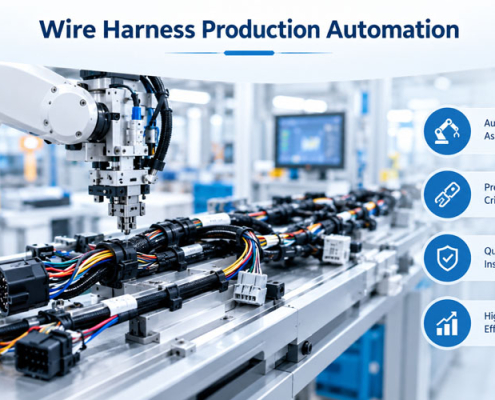 https://sz-fpi.com/wp-content/uploads/2026/10/Wire-Harness-Production-Automation.jpg
500
800
FPIC
https://sz-fpi.com/wp-content/uploads/2024/01/Logo-31-1.png
FPIC2026-10-27 04:22:012026-10-27 04:22:01How Automation Improves Wire Harness Production Efficiency
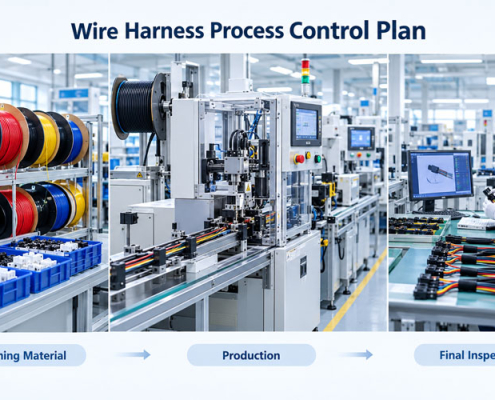 https://sz-fpi.com/wp-content/uploads/2026/10/Wire-Harness-Process-Control-Plan.jpg
500
800
FPIC
https://sz-fpi.com/wp-content/uploads/2024/01/Logo-31-1.png
FPIC2026-10-19 07:44:182026-10-19 07:44:18Wire Harness Process Control Plan: From Incoming Material to Final Inspection
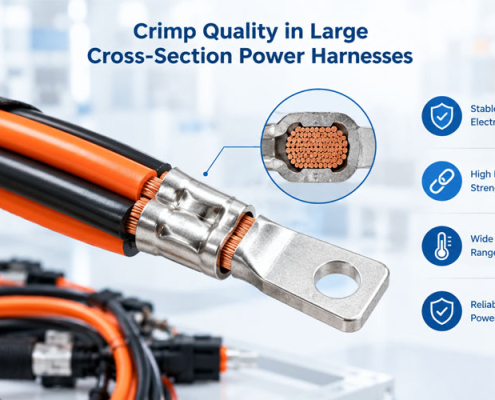 https://sz-fpi.com/wp-content/uploads/2026/10/Crimp-Quality-in-Large-Cross-Section-Power-Harnesses.jpg
500
800
FPIC
https://sz-fpi.com/wp-content/uploads/2024/01/Logo-31-1.png
FPIC2026-10-19 03:30:382026-10-19 03:30:38How to Control Crimp Quality in Large Cross-Section Power Harnesses
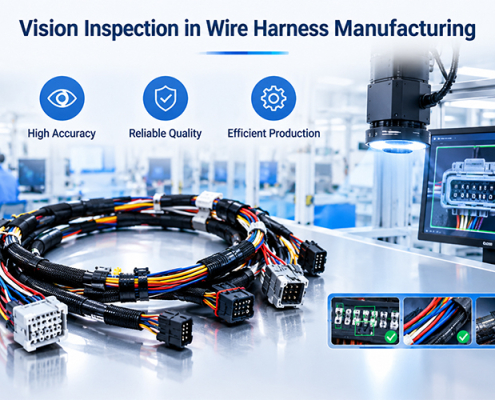 https://sz-fpi.com/wp-content/uploads/2026/10/Vision-Inspection-in-Wire-Harness-Manufacturing.jpg
500
800
FPIC
https://sz-fpi.com/wp-content/uploads/2024/01/Logo-31-1.png
FPIC2026-10-13 09:56:562026-10-13 09:57:27Vision Inspection in Wire Harness Manufacturing: Improving Assembly Accuracy
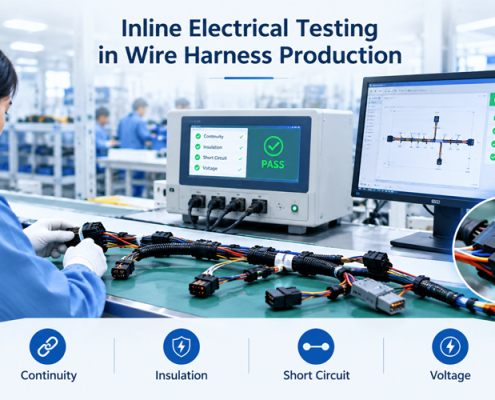 https://sz-fpi.com/wp-content/uploads/2026/10/Inline-Electrical-Testing-in-Wire-Harness-Production-1.jpg
500
800
FPIC
https://sz-fpi.com/wp-content/uploads/2024/01/Logo-31-1.png
FPIC2026-10-13 08:50:132026-10-13 08:50:13Inline Electrical Testing in Wire Harness Production: Benefits and Limitations