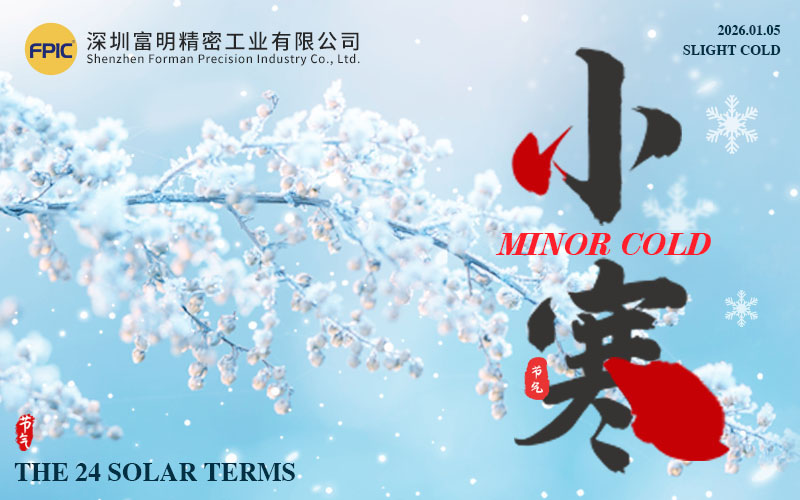
Xiaohan (Minor Cold): Understanding One of China’s 24 Solar Terms
Xiaohan, translated as “Minor Cold,” is one of the 24 Solar Terms in the traditional Chinese calendar. It marks the beginning of one of the coldest periods of the year and reflects the deep connection between ancient Chinese culture, agriculture, and seasonal climate changes.
When Does Xiaohan Occur?
Xiaohan usually falls on January 5th or 6th each year, when the sun reaches 285° of celestial longitude. It comes after Winter Solstice (Dongzhi) and before Dahan (Major Cold).
Although called “minor,” Xiaohan often coincides with extremely cold weather in many regions of China.
Why Is It Called “Minor Cold”?
The name Xiaohan (小寒) literally means “lesser cold.”
Historically, ancient Chinese scholars believed that the cold during this period was not yet at its peak. The following solar term, Dahan (Major Cold), was expected to bring even harsher conditions.
However, in reality, Xiaohan can be colder than Dahan, especially in northern China. The name reflects traditional observation rather than a strict meteorological measurement.
Weather Characteristics of Xiaohan
Xiaohan is closely related to weather patterns:
-
Low temperatures and frequent cold waves
-
Snowfall in northern regions
-
Cold rain and frost in southern China
-
Strong north winds caused by Siberian cold air masses
For farmers in ancient times, Xiaohan served as an important reminder to protect crops, livestock, and stored grain from severe cold.
Traditional Customs and Folk Practices
Although Xiaohan is not associated with large public festivals, it carries several meaningful traditions:
1. Seasonal Diet and Nourishment
People traditionally eat warm, nourishing foods to strengthen the body against cold weather, such as:
-
Lamb or beef dishes
-
Glutinous rice
-
Ginger-based soups
This practice aligns with traditional Chinese medicine, which emphasizes maintaining internal warmth during winter.
2. Preparing for the Lunar New Year
Xiaohan signals that Spring Festival (Chinese New Year) is approaching. Families begin:
-
Making preserved foods
-
Preparing cured meats
-
Cleaning homes and storing supplies
3. Plum Blossom Appreciation
In Chinese culture, plum blossoms, which bloom in winter, symbolize resilience and hope. Xiaohan is often associated with appreciating plum blossoms in literature and art.
Cultural Significance of Xiaohan
Xiaohan reflects how ancient Chinese society observed nature carefully and adapted daily life to seasonal changes. The 24 Solar Terms are not only time markers but also a knowledge system that integrates astronomy, climate, agriculture, and philosophy.
Even today, Xiaohan remains relevant as people adjust their lifestyle, diet, and health practices according to seasonal rhythms.
Conclusion
Xiaohan, or Minor Cold, may sound mild by name, but it represents one of the coldest and most challenging periods of winter. Closely linked to weather patterns, traditional customs, and agricultural wisdom, Xiaohan reminds us of the importance of respecting nature’s cycles and preparing thoughtfully for seasonal change.
References
-
China Meteorological Administration (CMA). The 24 Solar Terms of China. Source: https://www.cma.gov.cn
-
UNESCO. The Twenty-Four Solar Terms, Knowledge in China. Source: https://ich.unesco.org
-
Encyclopaedia Britannica. Chinese Calendar and Solar Terms. Source: https://www.britannica.com