Qingming Festival: Traditions, Meaning & Culture
Introduction
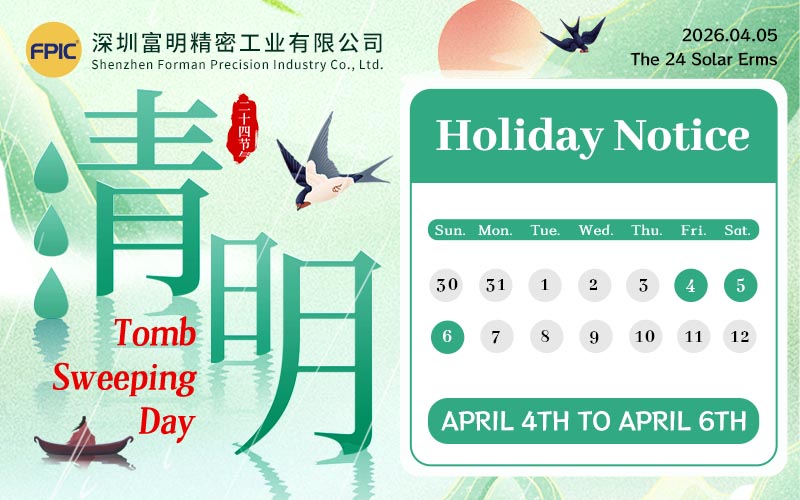
The Qingming Festival, also known as Tomb-Sweeping Day, is one of the most meaningful traditional holidays in China. Celebrated in early April, it is a time for remembering ancestors, honoring heritage, and embracing the arrival of spring.
For global audiences, Qingming offers a unique perspective on how Chinese culture connects family values, seasonal change, and respect for history.
The Cultural Meaning of Qingming
The term “Qingming” (清明) literally means “clear and bright.” It reflects both:
- 🌿 The fresh, vibrant atmosphere of spring
- 🕊️ A sense of clarity, remembrance, and reflection
Qingming is deeply rooted in traditional Chinese values, especially:
- Filial piety (respect for elders and ancestors)
- Continuity of family heritage
- Harmony between humans and nature
It is a moment to look back with gratitude while moving forward with purpose.
Origins and Historical Background
The festival dates back over 2,500 years and is closely associated with ancient rituals of ancestor worship.
One well-known legend is linked to Jie Zitui, a loyal follower during the Spring and Autumn Period. His story inspired the Cold Food Festival, which later merged with Qingming traditions.
Over time, Qingming evolved into a national occasion that combines historical remembrance with seasonal celebration.
Traditional Customs and Activities
🏵️ 1. Tomb Sweeping (扫墓)
The most important Qingming tradition is visiting ancestral graves. Families:
- Clean tombstones and surrounding areas
- Offer flowers, food, or symbolic items
- Pay respects through bows or silent reflection
This practice expresses gratitude and maintains a spiritual connection with previous generations.
🌸 2. Spring Outings (踏青)
Qingming also marks one of the best times to enjoy nature.
Families and friends go outdoors to:
- Appreciate blooming flowers
- Walk in parks and countryside
- Enjoy fresh air and sunshine
This tradition reflects the balance between remembrance and renewal.
🪁 3. Kite Flying
Flying kites is a popular Qingming activity, especially for children.
In some traditions, people:
- Fly kites during the day
- Cut the string at night to release it
This symbolizes letting go of worries and welcoming new beginnings.
🍡 4. Eating Traditional Foods
Different regions in China have unique Qingming foods, such as:
- Green rice balls (Qingtuan) in southern China
- Cold dishes that reflect earlier Cold Food Festival customs
These seasonal foods connect people to both tradition and local culture.
Qingming in Modern Society
Today, Qingming remains highly relevant:
- It strengthens family bonds across generations
- Encourages reflection and gratitude
- Promotes environmental awareness through outdoor activities
Many people also adopt modern forms of remembrance, such as digital memorials or eco-friendly offerings.
Qingming and FPIC’s Company Culture
At FPIC, the spirit of Qingming resonates with our values of respect, responsibility, and continuity.
Just as Qingming honors those who came before us, we value:
- 🧭 Respect for experience and craftsmanship
- 🤝 Gratitude toward every employee’s contribution
- 🌱 Commitment to sustainable and long-term development
With over 23 years of manufacturing experience, FPIC understands that growth is built on both heritage and innovation.
We believe that by honoring the past and embracing the future, we can continue to move forward with stability and purpose.
Conclusion
Qingming Festival is more than a traditional holiday—it is a reflection of cultural identity, family values, and the natural rhythm of life.
For international audiences, it offers a meaningful insight into how Chinese culture balances memory and renewal, respect and progress.
As the season turns clear and bright, Qingming reminds us to appreciate where we come from—and to move forward with clarity and intention.
References
- UNESCO – Intangible Cultural Heritage and traditional festivals
- Encyclopaedia Britannica – Qingming Festival overview
- Historical records of Chinese seasonal customs
(Content originally written for cultural and educational purposes, without direct quotation from copyrighted sources.)