What Is Little New Year in China?
What Is Little New Year?
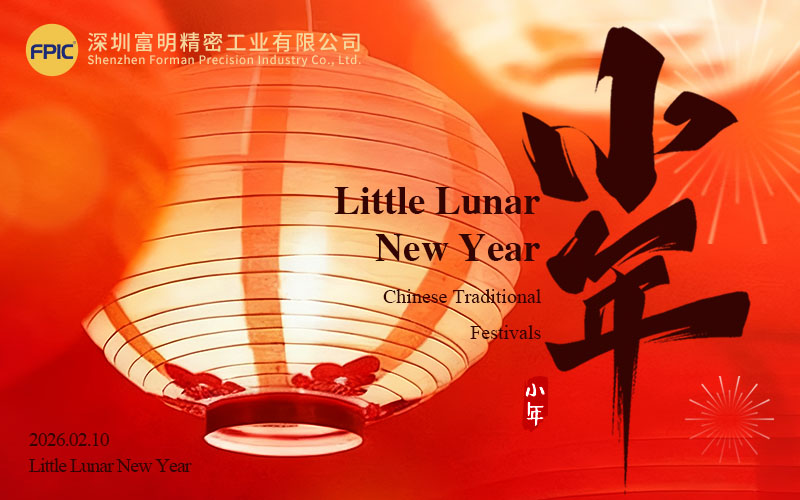
Little New Year (小年, Xiao Nian) is a traditional Chinese festival celebrated about one week before the Lunar New Year. It marks the official beginning of Spring Festival preparations.
Although less internationally known than Chinese New Year, Little New Year plays an important cultural role in Chinese society.
When Is Little New Year Celebrated?
Little New Year follows the lunar calendar:
-
Northern China: 23rd day of the 12th lunar month
-
Southern China: 24th day of the 12th lunar month
The regional difference reflects historical customs and agricultural traditions.
Why Is Little New Year Important?
Little New Year symbolizes:
-
Farewell to the old year
-
Preparation for renewal
-
Moral reflection and family responsibility
It is considered the true beginning of the New Year atmosphere.
The Kitchen God Tradition
One of the most significant customs is the worship of the Kitchen God (Zao Jun).
According to Chinese folklore:
-
The Kitchen God watches over each household during the year.
-
On Little New Year, he ascends to heaven to report the family’s behavior.
Families traditionally offer sweet foods, symbolizing a “sweet report” to heaven. This tradition reflects values of integrity, gratitude, and accountability.
House Cleaning and Preparation
Another key practice is thorough house cleaning, often called “sweeping the dust.”
This symbolizes:
-
Removing bad luck
-
Clearing away misfortune
-
Making space for prosperity
The custom shares similarities with Western spring-cleaning traditions, though it carries deeper symbolic meaning.
Regional Food Traditions
Different regions celebrate with unique foods:
Northern China:
-
Dumplings
-
Sticky sugar melons
Southern China:
-
Rice cakes (nian gao)
-
Festive dishes prepared for New Year
Each food carries symbolic meaning related to prosperity and growth.
Cultural Meaning for Global Readers
For international audiences, Little New Year represents a universal concept:
new beginnings require preparation and reflection.
It highlights important cultural values in Chinese society:
-
Family unity
-
Moral responsibility
-
Respect for tradition
-
Hope for renewal
Understanding Little New Year provides deeper insight into how Chinese culture approaches time, transition, and celebration.
Conclusion
Little New Year may be smaller in scale than Chinese New Year, but it marks the emotional and cultural start of the Spring Festival season. Through traditions such as honoring the Kitchen God and cleaning the home, families prepare both practically and spiritually for a new year.
It is a reminder that renewal begins with preparation.
References / Notes
-
Encyclopaedia Britannica – Chinese New Year traditions
-
China Intangible Cultural Heritage Network – Folk customs of Xiao Nian
-
China National Museum – Kitchen God folklore
-
This article is originally written based on publicly available cultural and historical sources for educational purposes.