Lantern Festival: Origins, Traditions & Gifts
When Is the Lantern Festival?
The Lantern Festival is celebrated on the 15th day of the first lunar month, marking the first full moon of the Lunar New Year. It is considered the grand finale of the Spring Festival celebrations and symbolizes reunion, harmony, and a bright beginning for the year ahead.
In Chinese culture, the full moon represents unity and completeness, making this festival deeply meaningful for families.
The Origins of the Lantern Festival
The history of the Lantern Festival dates back over 2,000 years to the Han Dynasty. There are several widely accepted origin stories:
1. Imperial Lantern Lighting Tradition
During the reign of Emperor Ming of the Eastern Han Dynasty, lantern lighting became associated with Buddhist practices. The emperor encouraged citizens to light lanterns on the 15th day of the lunar month to honor the Buddha. Over time, this ritual evolved into a grand folk celebration.
2. Taoist “Shangyuan Festival”
In Taoist tradition, the 15th day of the first lunar month is known as the “Shangyuan Festival,” celebrating the Heavenly Official who bestows blessings. Lighting lanterns symbolized prayer for good fortune and peace.
Popular Legends Behind the Festival
🔸 The Jade Emperor Legend
One famous legend tells of the Jade Emperor planning to punish humanity by sending fire to earth. To avoid disaster, people hung red lanterns and set off fireworks to create the illusion that the world was already burning. The emperor was deceived, and humanity was saved. This story explains why lanterns and fireworks became central to the celebration.
🔸 Emperor Wen’s Celebration
Another legend suggests that Emperor Wen of the Han Dynasty celebrated peace and unity on the 15th day of the first lunar month, establishing the festival as a day of national celebration.
Traditional Customs and Activities
🏮 1. Lantern Displays


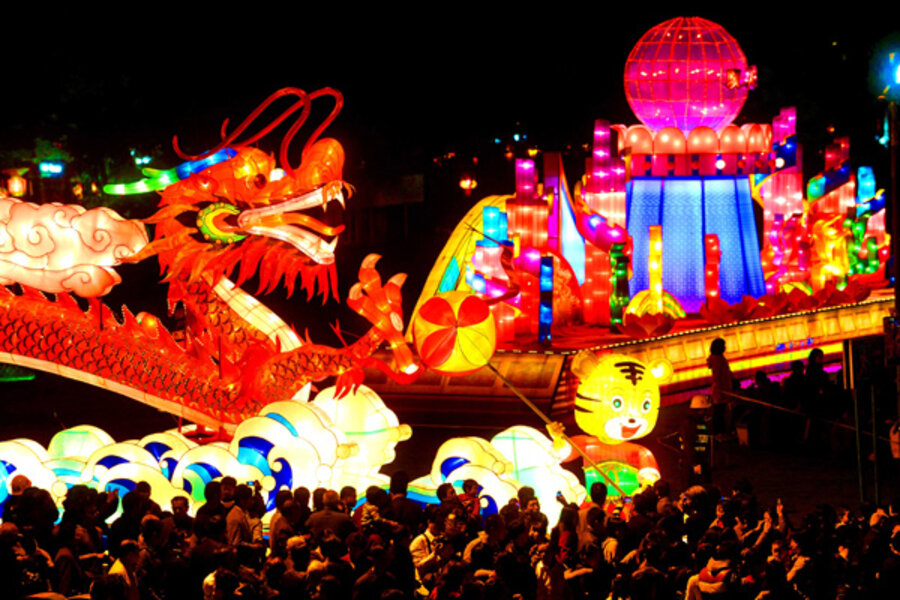
Lantern viewing is the most iconic tradition. Cities and towns host lantern fairs featuring intricate designs, zodiac shapes, flowers, and mythical creatures. The glowing lanterns symbolize hope and prosperity.
🧩 2. Solving Lantern Riddles
Riddles are written on lanterns, and visitors try to solve them. This custom began in the Song Dynasty and remains a favorite family activity that blends entertainment with education.
🥣 3. Eating Tangyuan (Sweet Glutinous Rice Balls)
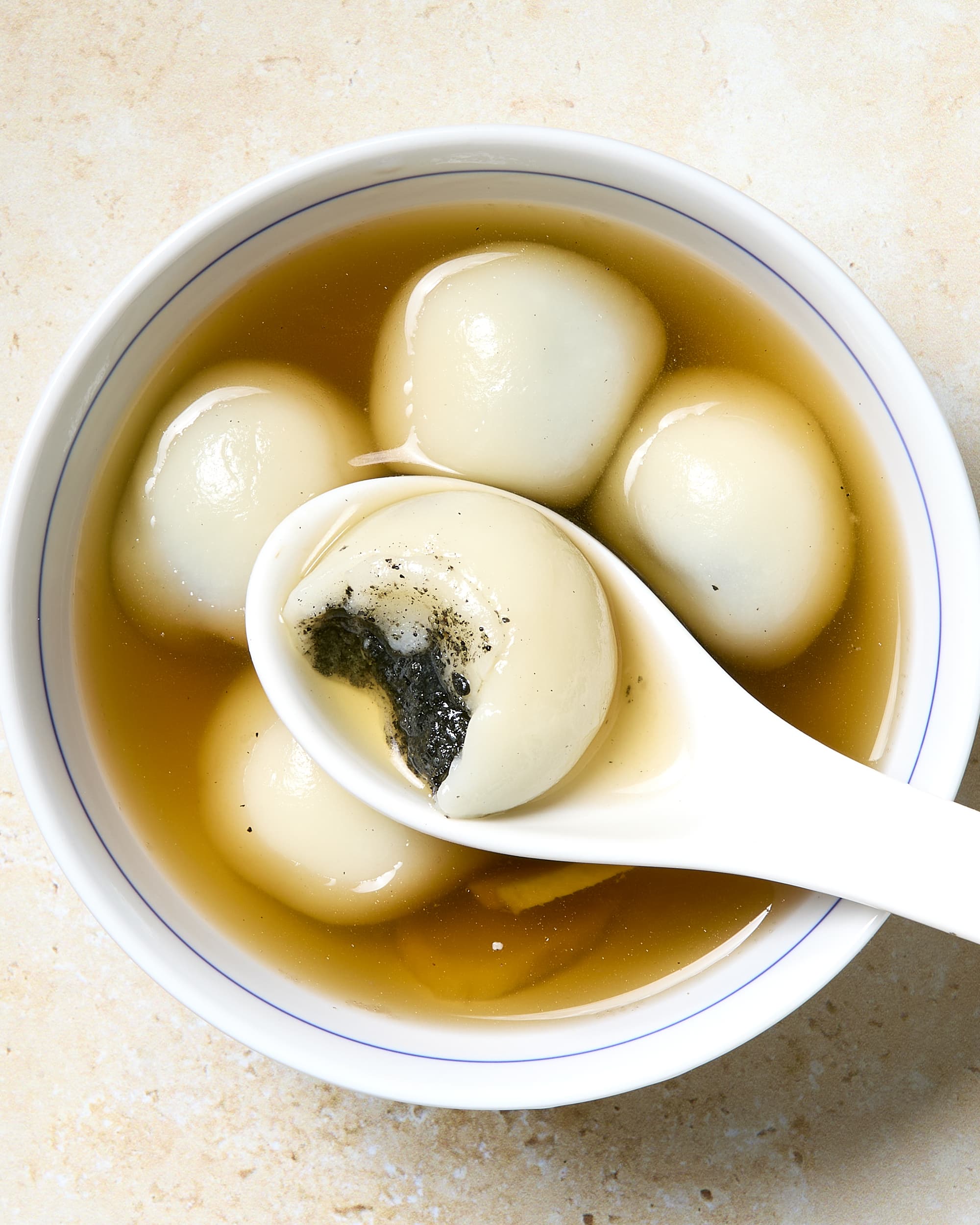
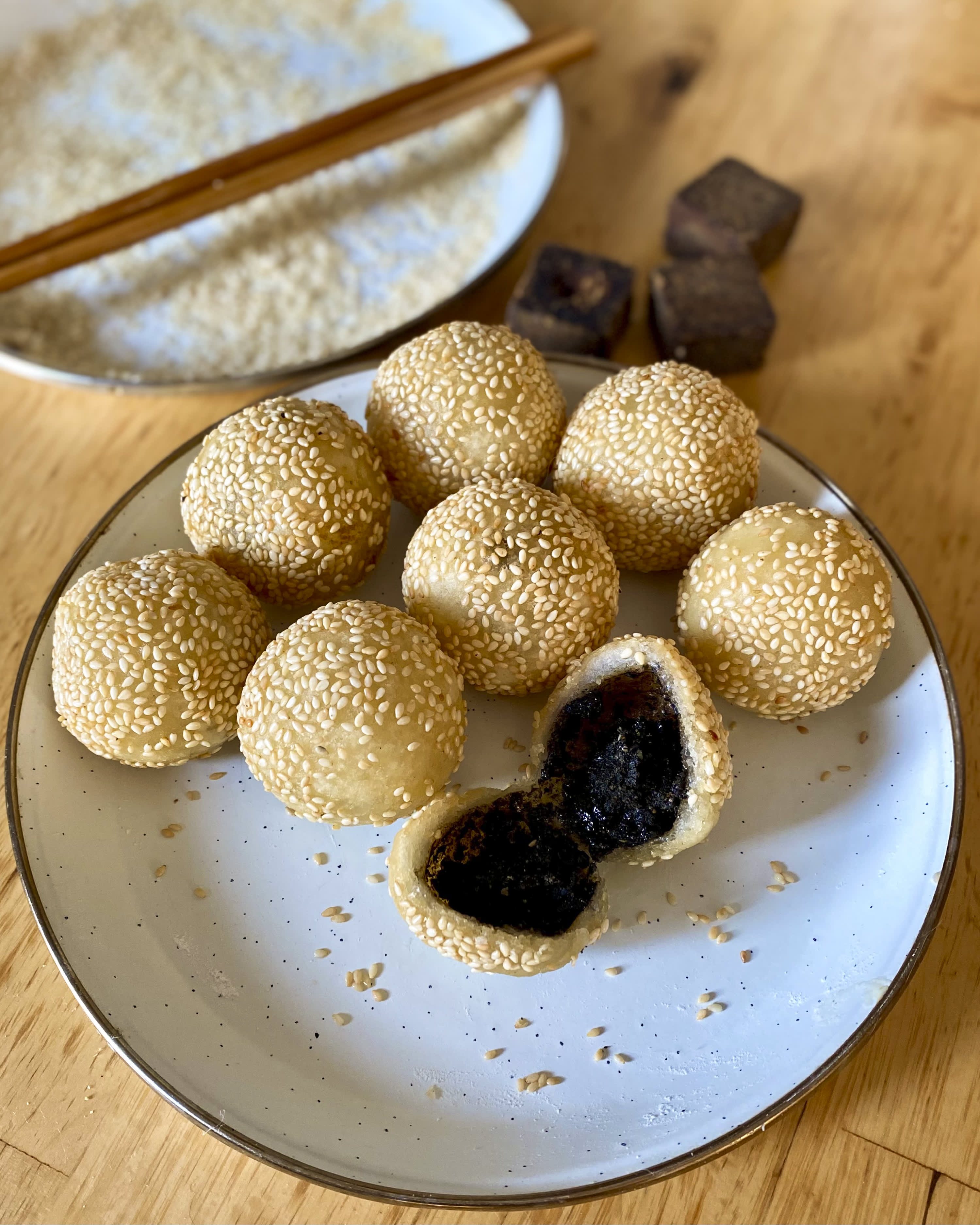
Tangyuan (called Yuanxiao in northern China) are round glutinous rice balls filled with sesame paste, red bean paste, or peanuts. Their round shape symbolizes family reunion and completeness.
🐉 4. Dragon and Lion Dances
In many regions, traditional dragon and lion dances are performed to bring good luck and drive away misfortune. These energetic performances reflect community spirit and cultural heritage.
🎆 5. Fireworks and Festive Gatherings
In some areas, fireworks are set off to celebrate joy and renewal. Families gather to admire the full moon, share food, and enjoy the festive atmosphere.
What Gifts Are Given During the Lantern Festival?
While not traditionally a major gift-giving holiday like Lunar New Year, modern celebrations often include thoughtful presents such as:
-
Premium Tangyuan gift boxes
-
Decorative lantern ornaments
-
Traditional pastries
-
Health and wellness gift sets
-
Cultural creative products related to lantern themes
-
Handmade desserts or DIY lantern kits
The focus is on symbolism—unity, warmth, and good wishes—rather than expensive value.
Cultural Significance
The Lantern Festival represents:
-
🌕 Family reunion
-
✨ Light and hope
-
🎉 The official end of New Year celebrations
-
🌸 A positive beginning for the year
It is a celebration of harmony between tradition and modern life, preserving centuries-old customs while adapting to contemporary culture.
The Lantern Festival in Modern Times
Today, the festival has expanded beyond tradition into:
-
Large-scale urban light shows
-
Tourism and cultural events
-
Online lantern riddle competitions
-
Corporate cultural celebrations
The festival continues to evolve while maintaining its core message—bringing people together under the same bright moon.
Conclusion
The Lantern Festival is one of China’s most poetic and visually stunning celebrations. From glowing lanterns to sweet rice balls and lively performances, it expresses a timeless wish for reunion, happiness, and prosperity.
As the first full moon lights up the sky, it reminds people everywhere of the warmth of togetherness and the promise of a new beginning.
References
-
“Lantern Festival” – Encyclopaedia Britannica
-
Chinese historical records from the Han Dynasty
-
Traditional folklore and cultural studies materials
(Information compiled and originally written for cultural education purposes.)