
Laba Festival: Tradition, Culture, and Togetherness
Introduction
In Chinese tradition, there is a saying: “After Laba comes the New Year.”
The Laba Festival, celebrated on the eighth day of the twelfth lunar month, marks the beginning of the year-end season—a time for reflection, gratitude, and preparation for new beginnings. For international readers, Laba offers a meaningful window into Chinese culture and values that still shape modern organizations like FPIC.
What Is the Laba Festival?
The Laba Festival (腊八节, Làbā Jié) has a history of more than a thousand years. It originated from ancient harvest ceremonies and later absorbed Buddhist influences, becoming a day associated with gratitude, discipline, and renewal.
Traditionally, Laba signals:
-
The deepest part of winter
-
The countdown to the Lunar New Year
-
A reminder to honor effort and prepare for growth
Laba and the Weather
Laba usually falls in January, during one of the coldest periods of the year in China. Historically, this timing reminded people to:
-
Store food carefully
-
Take care of family and community
-
Strengthen resilience during hardship
This connection between climate and culture reflects a mindset of long-term planning and endurance—values that remain relevant in both life and manufacturing.
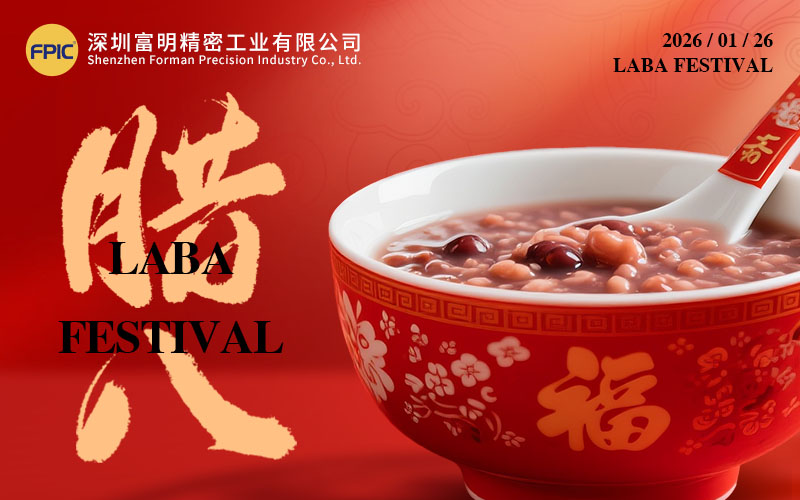
Laba Traditions: North and South
Northern China
-
Laba Porridge (Laba Congee) made with grains, beans, dried fruits, and nuts
-
Symbolizes abundance, cooperation, and shared prosperity
Southern China
-
Laba rice dishes or savory meals
-
In some regions, garlic soaked in vinegar (“Laba garlic”) as a symbol of patience and timing
Despite regional differences, the common theme is sharing warmth and care during the coldest days.
What Laba Represents Today
Beyond food and customs, Laba reflects deeper values:
-
Respect for hard work over the past year
-
Appreciation for people who contribute quietly
-
Preparation for the future with humility and focus
These principles align closely with how modern Chinese companies operate—especially those committed to long-term development.
Laba Festival and FPIC Culture
At FPIC, we believe a strong company is built on people, respect, and shared values.
Just as Laba brings families together to reflect and prepare for the year ahead, FPIC values:
-
Team collaboration
-
Respect for craftsmanship
-
Steady, long-term growth
-
Care for people behind the products
With 23 years of experience in connectors and cable assembly manufacturing, we understand that sustainable success comes from consistency, responsibility, and human connection—not short-term results.
Welcoming Like-Minded Talent
Laba reminds us that every contribution matters, just like every ingredient in Laba porridge plays a role.
As we move closer to a new year, FPIC welcomes:
-
Professionals who value craftsmanship
-
Individuals who respect teamwork and responsibility
-
Talent seeking long-term growth in a stable, people-oriented organization
If you are looking for more than just a job—if you value culture, learning, and meaningful work—we welcome you to grow with FPIC.
Conclusion
The Laba Festival is not only a cultural tradition but also a reflection of values that stand the test of time: gratitude, resilience, and preparation for the future. At FPIC, these values guide how we work, collaborate, and grow—together.
References / Notes
-
China Intangible Cultural Heritage Network – Overview of Laba Festival traditions
-
Encyclopedia Britannica – Chinese lunar calendar and seasonal festivals
-
General cultural knowledge and original interpretation written for FPIC