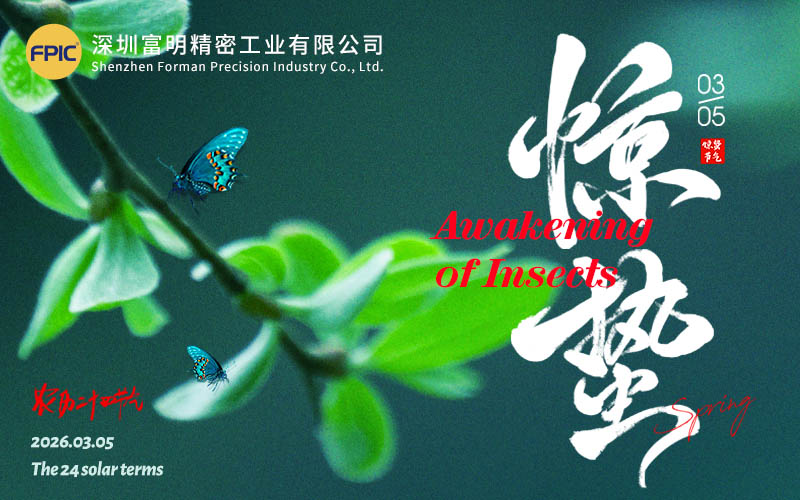
Jingzhe: Awakening of Insects in Spring
What Is Jingzhe?
Jingzhe (惊蛰), meaning “Awakening of Insects,” is the third of China’s 24 Solar Terms. It usually falls around March 5 or 6, signaling a significant shift in seasonal energy.
In traditional Chinese understanding, this is the time when rising temperatures and early spring thunderstorms awaken hibernating insects beneath the soil.
For international readers, Jingzhe represents nature’s reactivation after winter—a poetic expression of ecological change that aligns closely with early spring transitions in many temperate regions of the world.
Why Is It Called “Awakening of Insects”?
The Chinese character “惊” means “to startle,” and “蛰” refers to hibernating creatures. Ancient farmers observed that with the first rumble of spring thunder, insects and small animals began emerging from the ground.
This was not merely symbolic—it reflected real agricultural knowledge:
- Soil temperatures rise
- Spring rains increase
- Insects and pests become active
- Crops begin rapid growth
In modern meteorology, this period corresponds to increasing atmospheric instability and early thunderstorms in parts of China.
Weather Characteristics of Jingzhe
During Jingzhe, several climatic features become noticeable:
- 🌦️ Warmer temperatures
- ⛈️ Spring thunderstorms
- 🌱 Accelerated plant growth
- 🐛 Increased insect activity
In northern China, temperatures remain cool but gradually rise. In southern regions, rainfall becomes more frequent, preparing farmland for sowing.
For Western audiences, Jingzhe roughly parallels early March seasonal transitions in Europe and North America—when frost recedes, soil softens, and ecosystems revive.
Traditional Customs and Folk Practices
1. “Beating the Villain” (打小人)
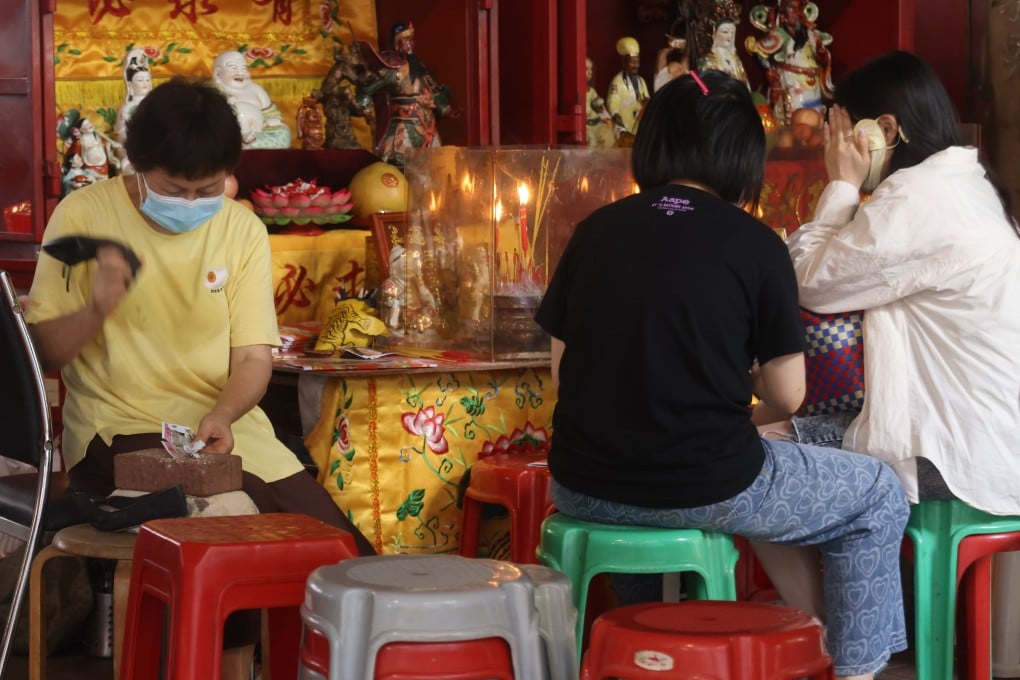
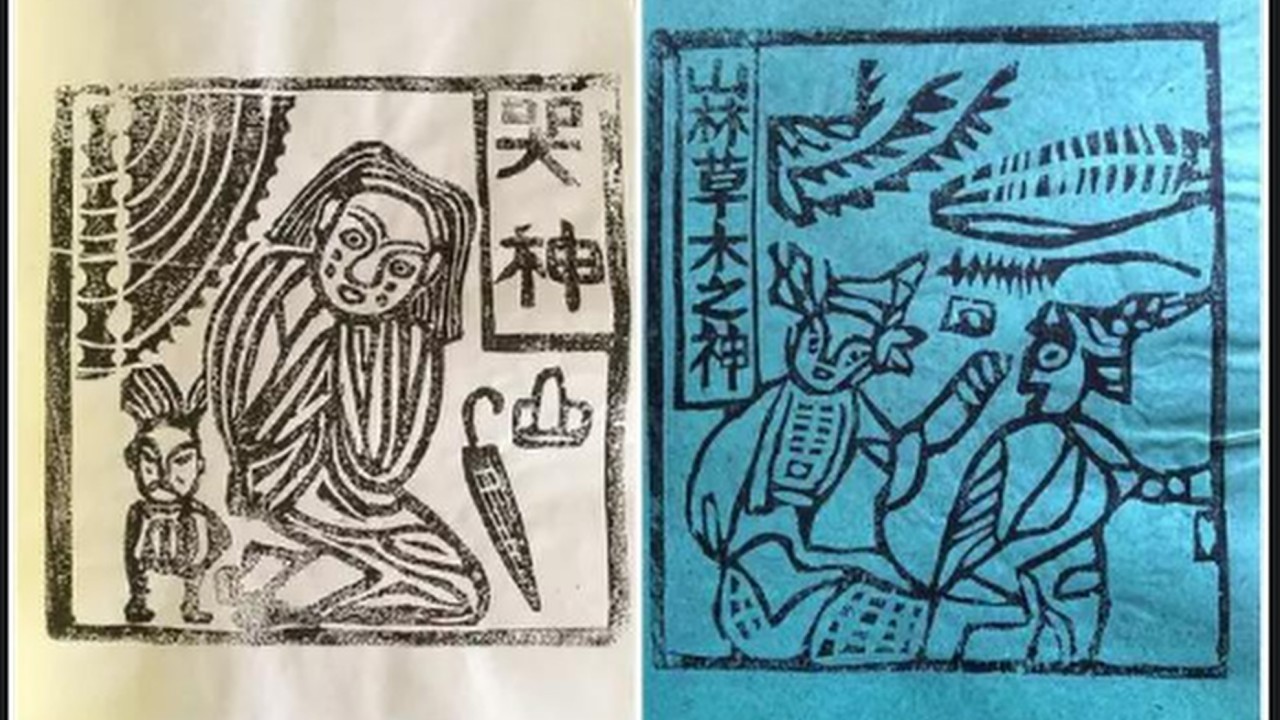
In southern China and Hong Kong, some people practice a folk ritual known as “Beating the Villain.” Participants symbolically strike paper figures to drive away bad luck and negative energy for the year ahead.
While not universal, it reflects a broader cultural theme: clearing away obstacles as nature renews itself.
2. Eating Pears
There is a saying in China: “Eat pears during Jingzhe.”
The word for pear (梨, lí) sounds similar to the word meaning “separation.” Symbolically, eating pears is believed to help people “separate” from illness and bad fortune.
From a practical perspective, pears are hydrating and soothing during seasonal climate shifts.
3. Agricultural Preparation
Jingzhe marks the busy start of spring farming:
- Plowing fields
- Fertilizing soil
- Preparing seeds
- Managing early pest control
Ancient Chinese agricultural calendars relied heavily on the 24 Solar Terms for precise seasonal guidance.
Cultural and Philosophical Meaning
Beyond agriculture, Jingzhe carries deeper symbolic meaning:
- ⚡ Awakening potential
- 🌿 Renewal and growth
- 🔄 Transition from stillness to movement
In traditional Chinese philosophy, nature and human life are closely interconnected. Jingzhe encourages people to follow nature’s rhythm—moving from winter introspection into spring action.
Jingzhe in Modern Life
Today, while urban lifestyles differ from ancient farming communities, Jingzhe still influences:
- Seasonal dietary adjustments
- Health preservation practices in traditional Chinese medicine
- Cultural education about ecological awareness
- Reflection on personal renewal
Many schools and cultural institutions use the 24 Solar Terms to teach sustainability and seasonal harmony.
Jingzhe and Global Understanding
For international audiences, Jingzhe offers insight into how traditional Chinese society understood climate, agriculture, and seasonal balance centuries before modern meteorology.
It reflects:
- A scientific observation of seasonal change
- A poetic naming system rooted in nature
- A cultural philosophy emphasizing harmony between humans and the environment
In an era of global climate awareness, the wisdom embedded in the 24 Solar Terms feels increasingly relevant.
Conclusion
Jingzhe marks the moment when nature awakens with sound and energy. Thunder rolls, soil warms, insects stir, and life accelerates.
It is both a meteorological marker and a cultural metaphor—a reminder that after every quiet winter, growth inevitably returns.
References
-
The Twenty-Four Solar Terms – UNESCO Intangible Cultural Heritage documentation
-
“Jingzhe” – Encyclopaedia Britannica (Chinese seasonal calendar overview)
-
Traditional Chinese agricultural and folklore records
(Information compiled and originally written for cultural education purposes.)