Robot Drag Chain Wiring Harness Solutions

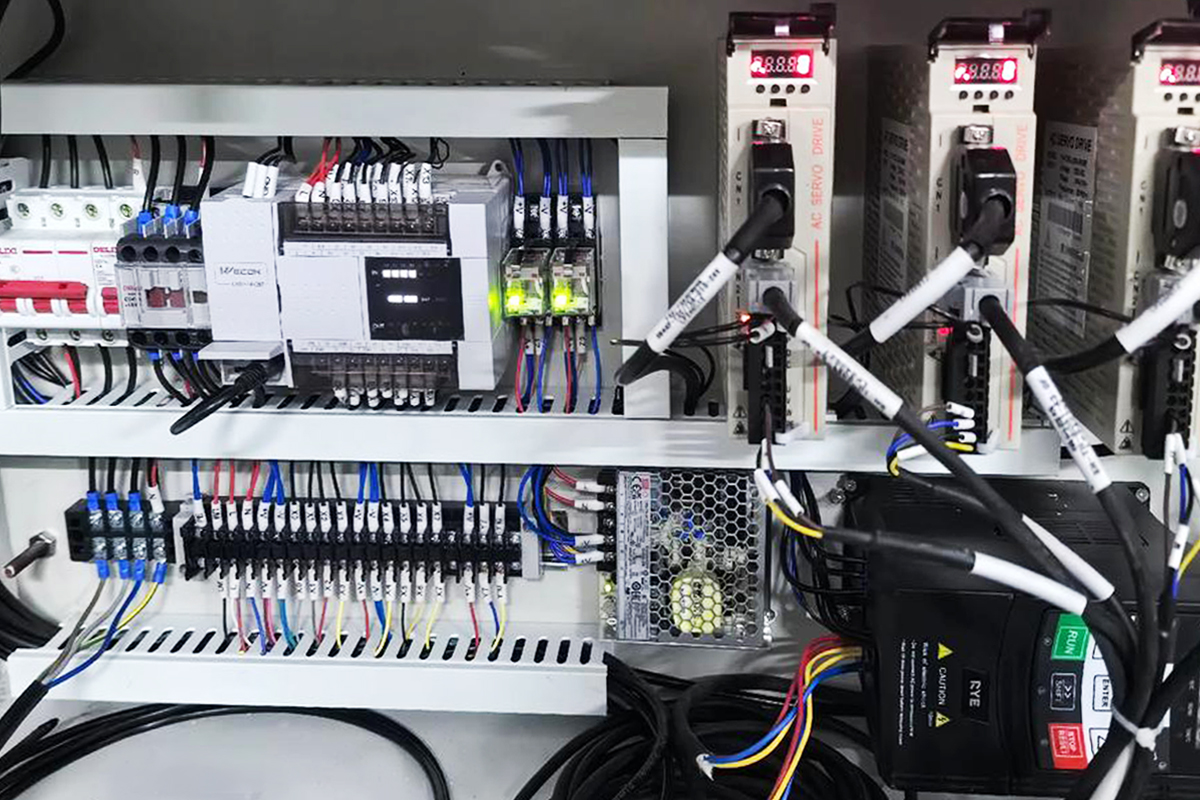
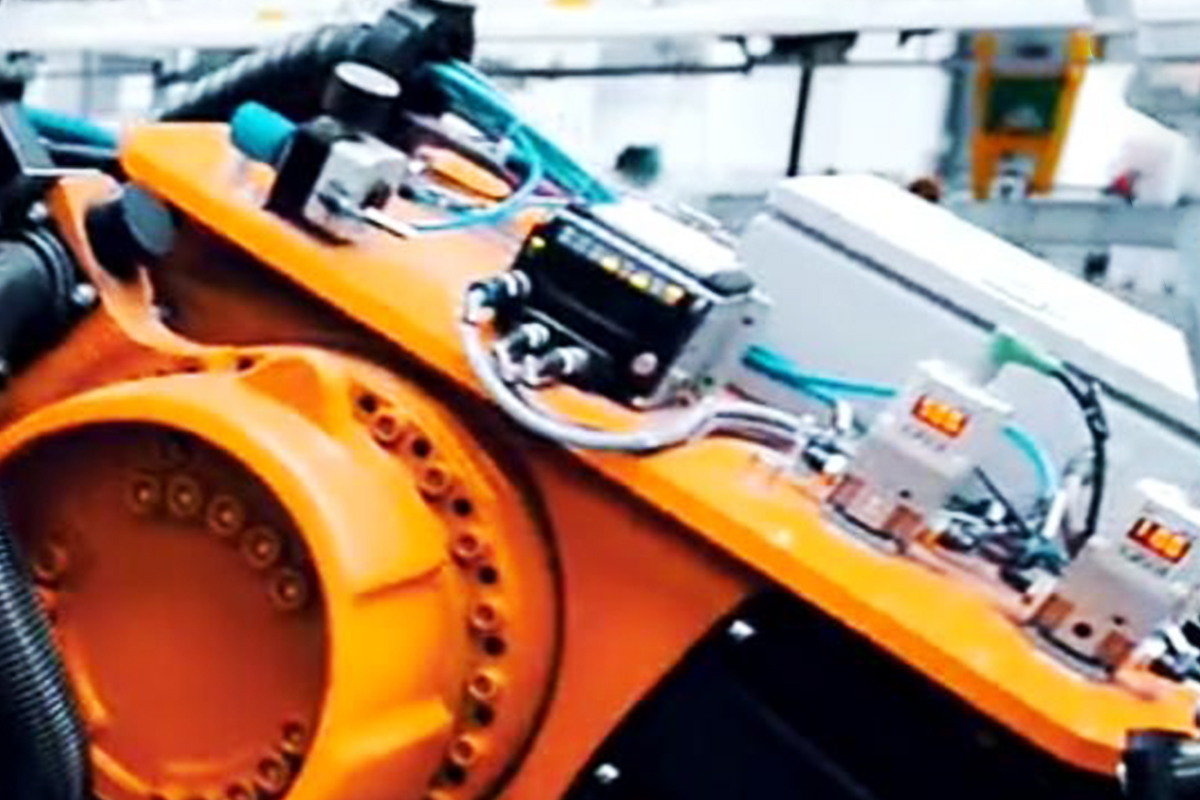
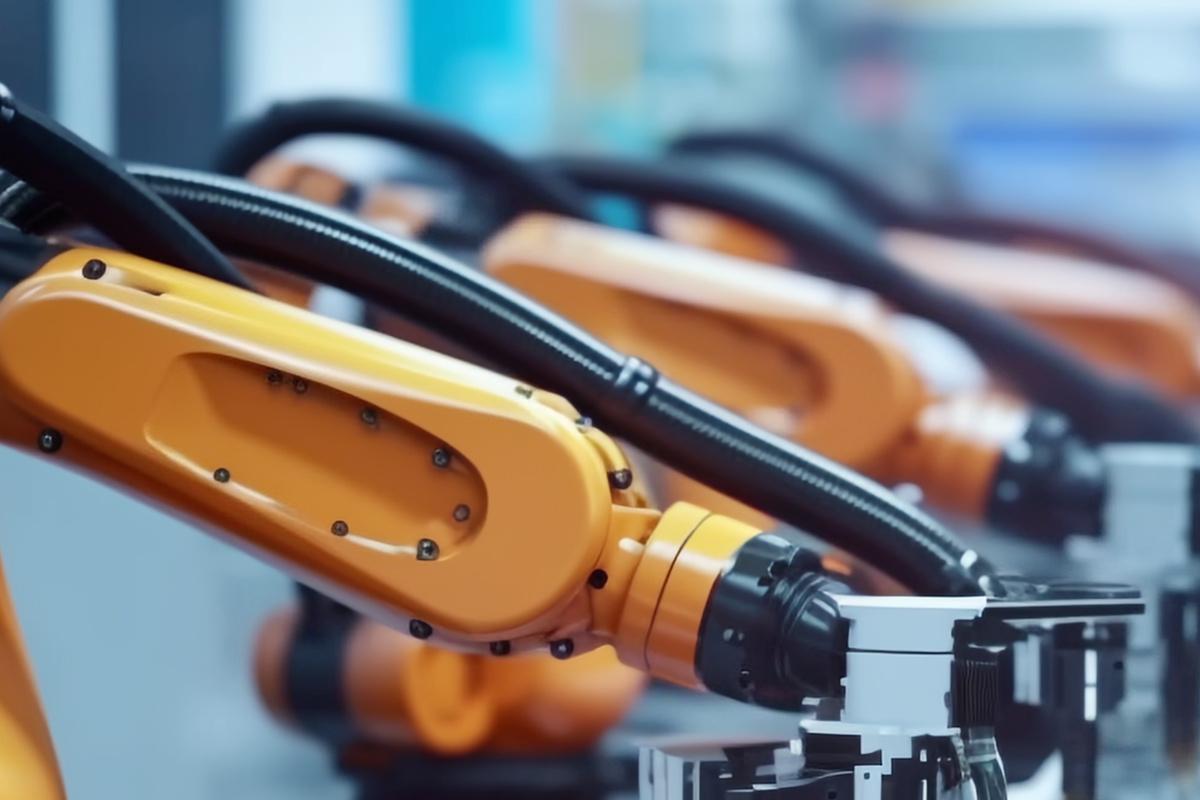
FPIC provides custom robot drag chain wiring harness solutions for applications involving continuous movement, repeated bending and dynamic routing. Our assemblies are developed for robotic systems, automation equipment and moving machinery that require reliable power, signal and control transmission under guided motion conditions.

From cable structure and connector matching to protection and assembly integration, we support OEM and ODM projects according to drawings, samples, BOM lists and application requirements.
What Is Robot Drag Chain Wiring Harness

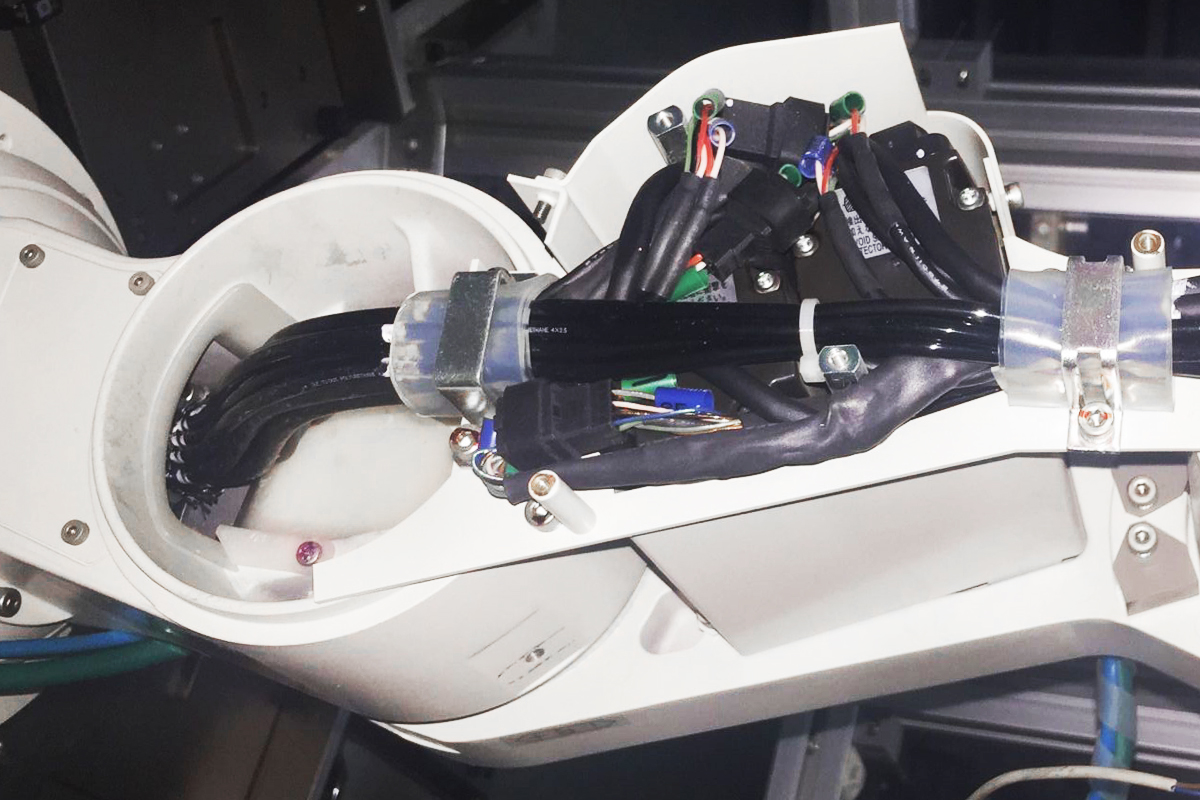
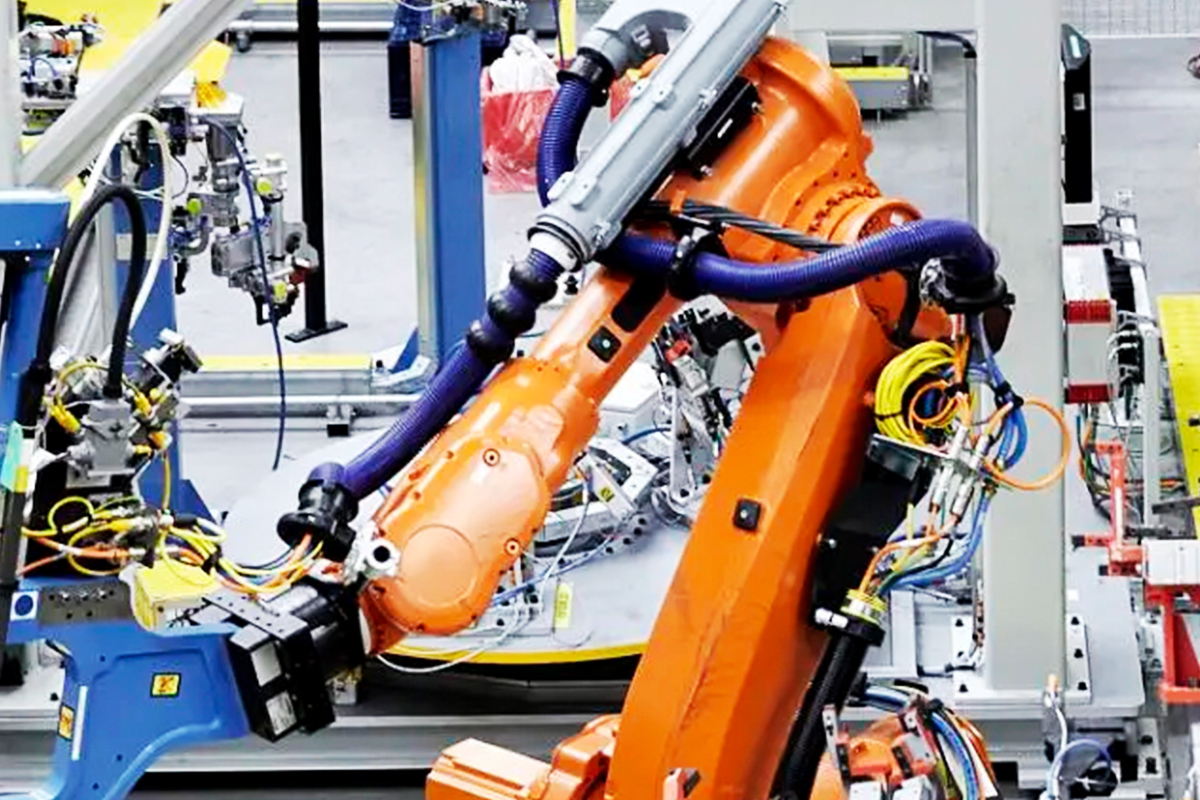
Robot wiring harnesses

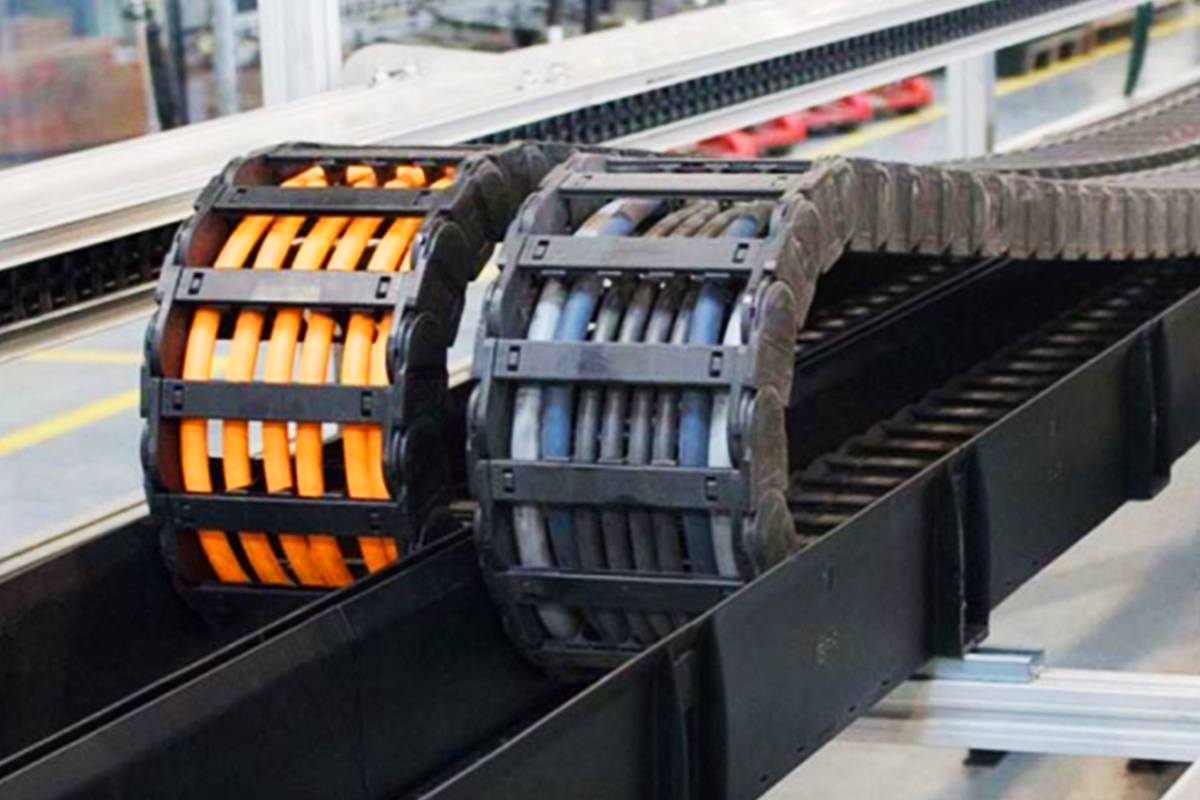
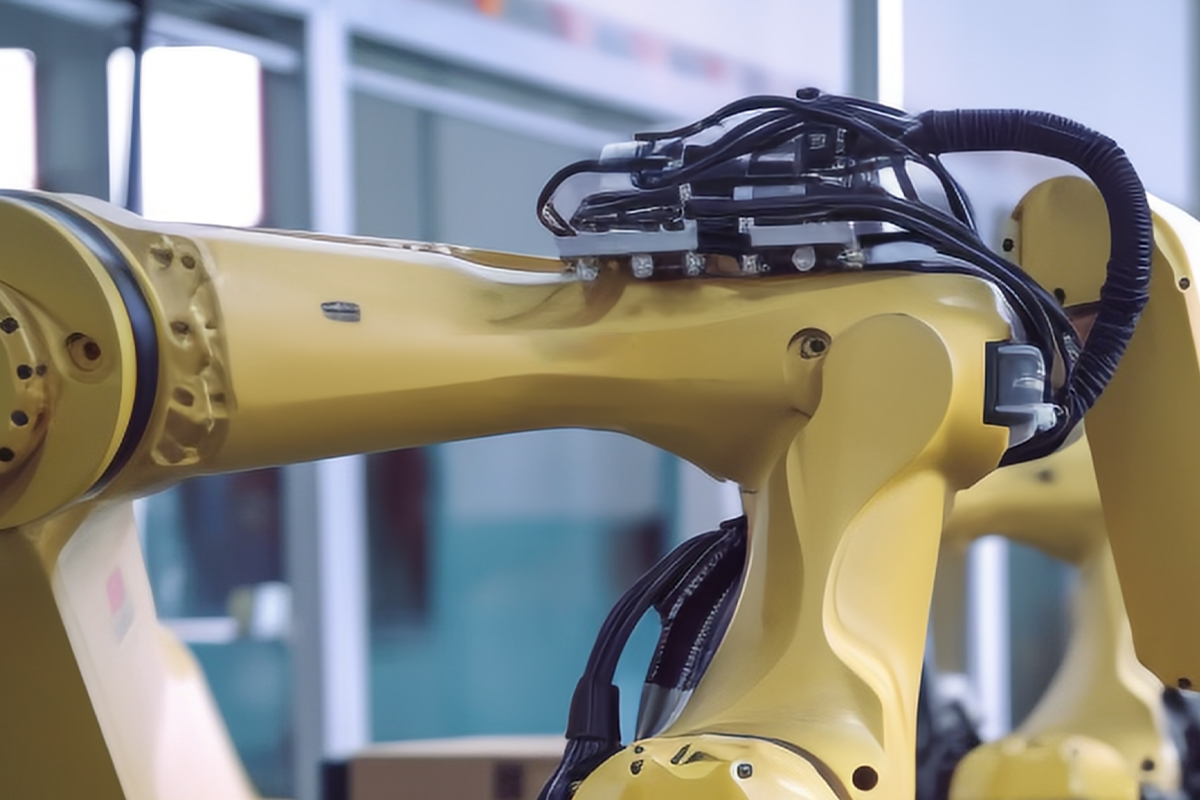
A robot drag chain wiring harness is a dynamic cable and harness assembly designed for applications where cables must move continuously inside a drag chain or cable carrier system. Compared with standard flexible cables, drag chain harnesses are developed for more demanding conditions involving repeated bending, guided movement, high acceleration and long cycle operation.

This type of harness is widely used in robotic systems, automation equipment and industrial machinery where stable power, signal, feedback and control transmission must be maintained under continuous movement.

Main Features of Robot Drag Chain Wiring Harness

Robot drag chain wiring harnesses are developed for frequent movement and bending conditions. Compared with ordinary cables, they are expected to provide stronger dynamic performance and longer service life in guided motion systems.

High Flexibility

Suitable for repeated movement and continuous bending in drag chain applications.

High Torsional Resistance

Suitable for applications where the harness may experience twisting and multi-directional movement.

Resistance to Harsh Industrial Conditions

Material structures can be selected to support oil resistance, water resistance, UV resistance, weather resistance, low-temperature resistance and wear resistance according to project requirements.

Strong Bending Resistance

Designed for dynamic routing conditions and repeated flexing in cable carrier systems.

Capability for Heavy Mechanical Load

Can be developed for applications exposed to strong mechanical stress, repeated movement and industrial operating load.

Longer Service Life in Dynamic Applications

When designed according to motion profile and routing condition, drag chain harness assemblies can withstand many folding and bending cycles and help improve overall equipment service life.

Typical Applications

Robot drag chain wiring harness solutions are widely used in applications that require stable electrical connection under guided movement, repeated bending and dynamic routing.

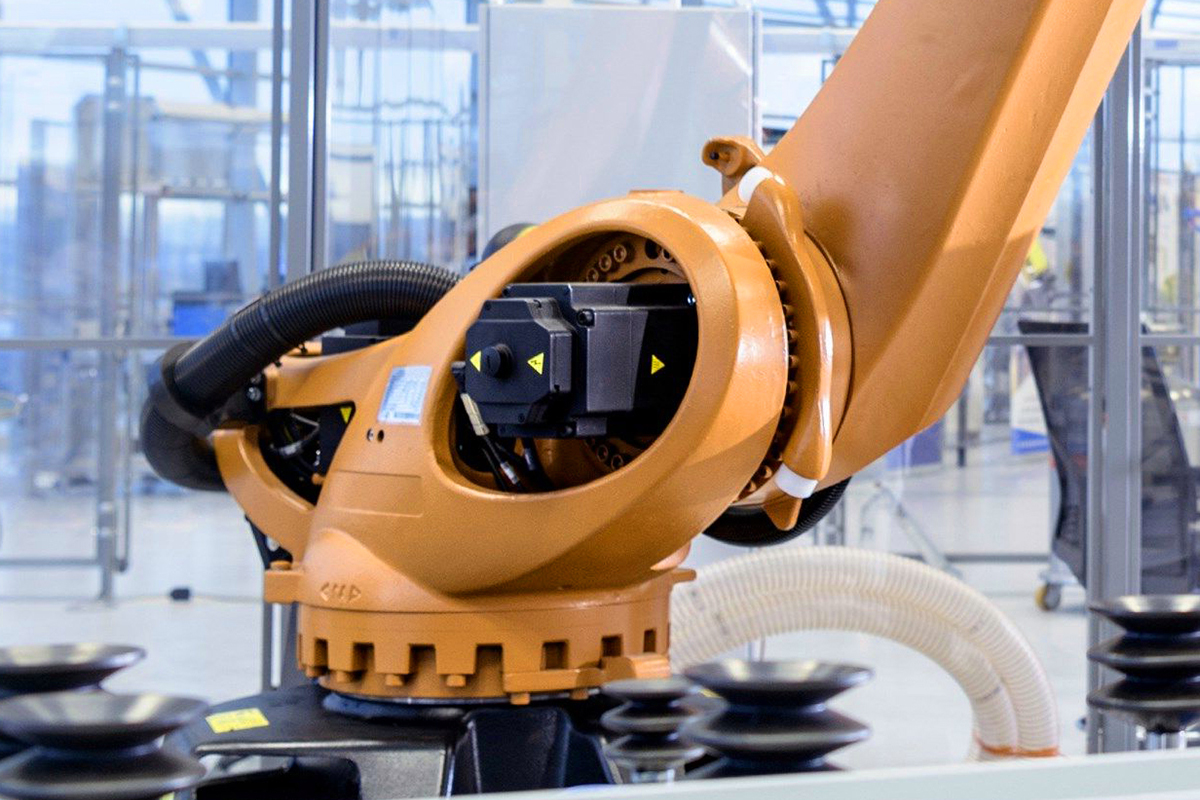
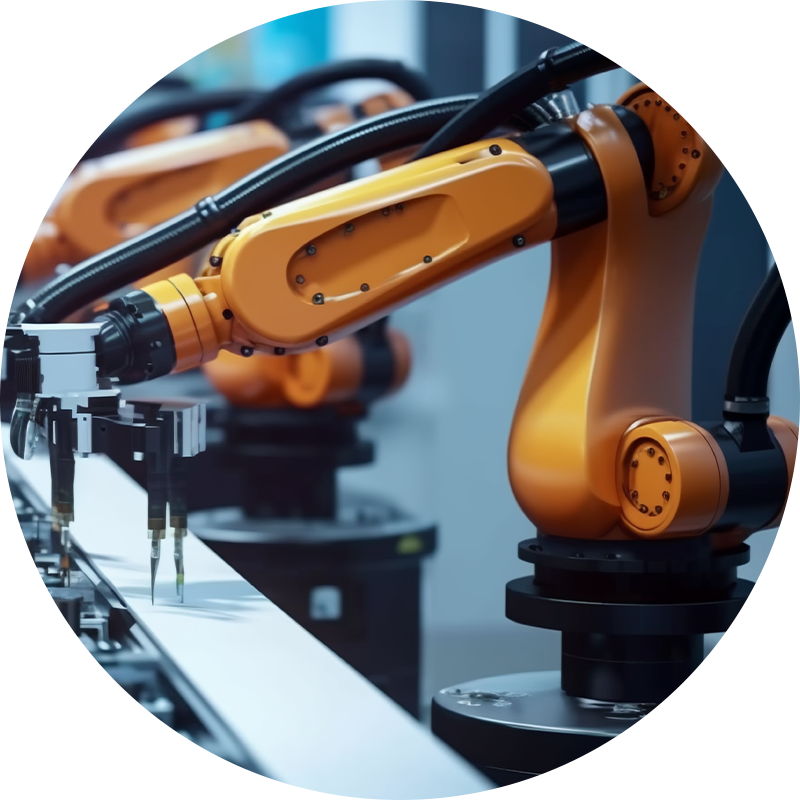
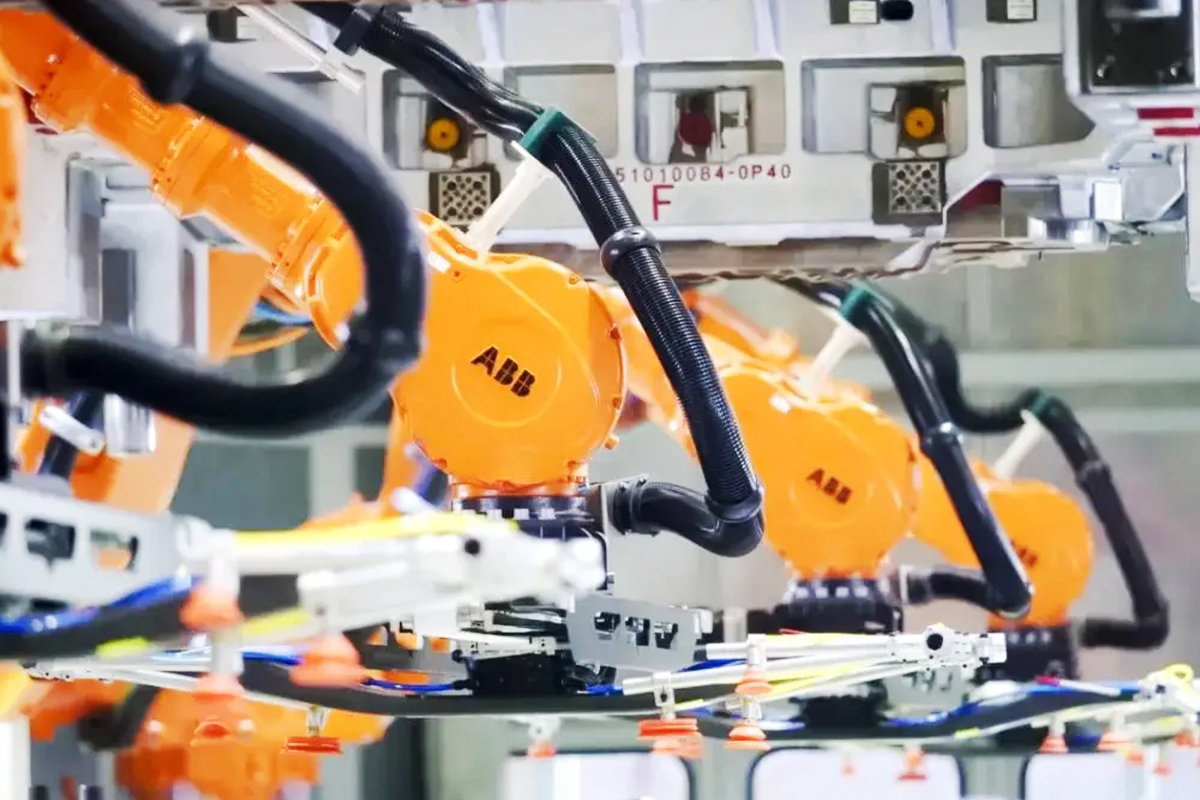
robot body wiring harness

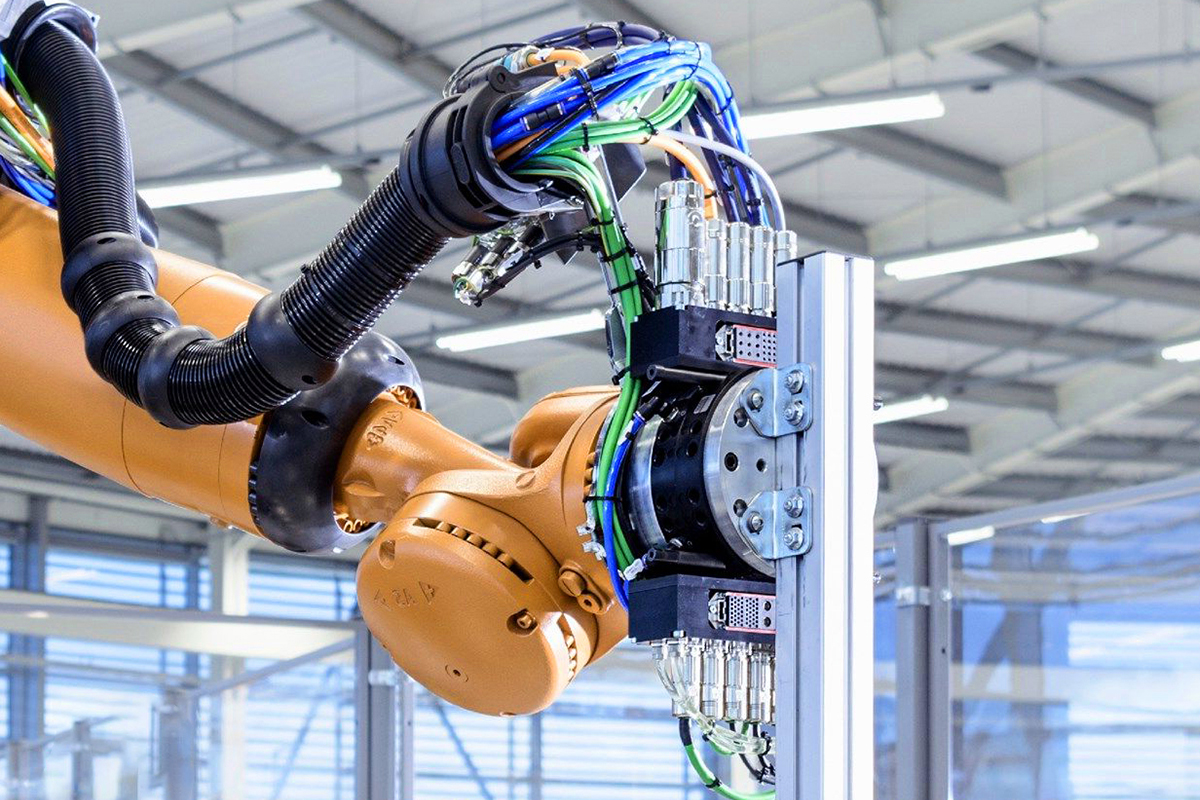
Industrial Robot Arms

For repeated movement in robotic arms and multi-axis automation systems.

Airport Construction Equipment

For dynamic power and control connection in airport handling and automation equipment.

For moving electrical connection in port automation and handling systems.

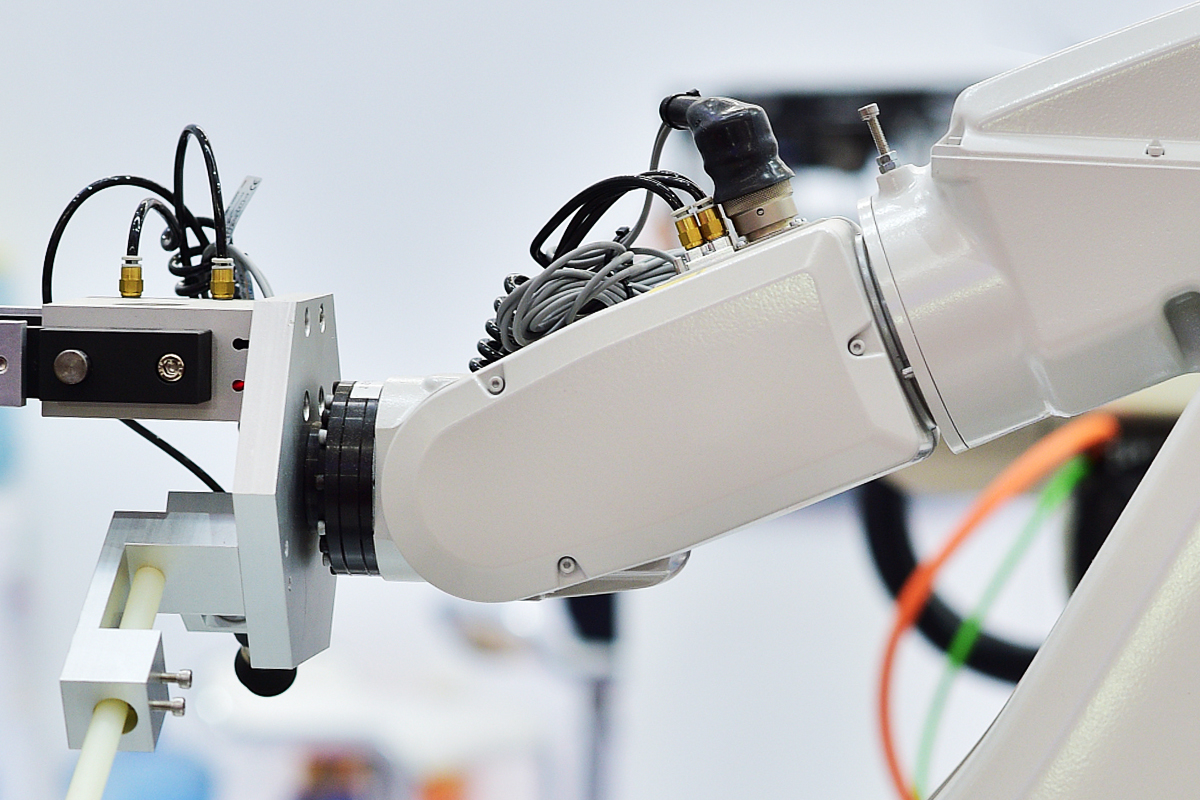
end effector wiring harness

Engineering Machinery

For dynamic harness routing in construction and heavy-duty machinery applications.

Engineering Cranes

For guided movement and continuous flex applications in crane systems and lifting equipment.

Large-Scale Machine Tools

For power, signal and control transmission in machine tools with moving structures.

Industrial Machinery

For automation equipment, moving platforms and dynamic internal routing applications.

Rotary or Lifting Worktables

Suitable for connection systems involving repeated movement, lifting motion or guided rotation.

What Makes Drag Chain Harness Different

Drag chain harness projects are not only about electrical connection. They are also about dynamic movement behavior, routing compatibility and long-term mechanical durability.

Compared with standard industrial wiring harnesses, robot drag chain harness assemblies usually require closer evaluation of:

  • bending radius
  • travel length
  • acceleration and movement speed
  • cycle demand
  • cable carrier compatibility
  • wear and friction exposure
  • torsion condition
  • strain relief and fixing structure
  • shielding stability under movement
  • environmental resistance requirements

Key Design Considerations

To develop a robot drag chain wiring harness that performs reliably in operation, project review should consider not only electrical requirements but also movement profile and installation conditions.

Movement Profile

Travel length, bending frequency, acceleration and working cycle demand should be reviewed.

Bending Radius

Cable structure and harness routing should be matched to the bending radius required by the drag chain system.

Torsion Condition

If the application includes twisting movement, torsional requirement should be considered during structure selection.

Signal and Power Function

Power, control, feedback and communication circuits may require different conductor, shielding and protection configurations.

Environmental Exposure

Oil, water, dust, UV, low temperature and wear conditions should be considered according to application requirements.

Installation and Fixing Method

Strain relief, harness fixing points, cable separation and drag chain layout all affect long-term performance.

Materials, Structure and Protection Options

FPIC supports flexible material, connector and protection matching according to drag chain movement profile, electrical function and industrial environment.

Main Material Types

Various material combinations can be selected according to project requirements, including: terminals, rubber shells, connectors, wires, cables, air pipes, oil pipes, water pipes, wire clamps, drag chains, comb-like boards, zip ties, sleeves, hardware parts, etc.

robot harness cable structure selection

Cable Structure Selection

Suitable wire and cable structures can be selected according to flexing, torsion and routing requirements.

robot harness connector and terminal matching

Connector and Terminal Matching

Connector systems, terminals and interface structures can be matched according to equipment design and assembly requirements.

robot harness shielding and signal stability

Protection and Routing Support

Protective sleeves, clamps, drag chain accessories and harness support structures can be selected to improve routing organization and wear protection.

robot harness protection and strain relief

Integrated Assembly Support

Power, signal and fluid-related elements can be coordinated into one structured assembly where application conditions require integrated routing.

Technical Specifications and Validation Focus

Robot drag chain wiring harness projects should be reviewed not only by electrical range, but also by movement condition, routing structure and long-term validation priorities.

Technical Specifications

Item Options / Range
Application Type continuous flex, drag chain, guided movement
Main Materials terminals, rubber shells, connectors, wires, cables, air pipes, oil pipes, water pipes, clamps, sleeves, hardware
Wire Bending Test 2 million to 50 million cycles
Processing Technology welding, riveting, injection molding, assembly molding
Operating Temperature -40°C to 105°C
Operating Voltage S≤0.75mm²: 300/500V; S≥1.0mm²: 450/750V
Customization connector type, terminal type, cable length, shielding, labeling, protection, routing structure

Validation Focus

Robot drag chain harness projects often require more than basic continuity checks. Validation priorities should be aligned with movement profile, installation condition and service life expectation.

Repeated Bending Performance

Evaluation of the harness under repeated flexing and guided movement.

Dynamic Routing Suitability

Review of structure compatibility with drag chain routing and cable carrier layout.

Torsion Consideration

Assessment where twisting movement may occur in addition to bending.

Signal and Power Stability

Confirmation of stable electrical transmission under dynamic operation.

Wear and Environmental Resistance

Assessment according to friction, oil, dust, water, UV and temperature conditions.

Connector Retention and Assembly Integrity

Review of connection stability, fixing method and harness durability in operation.

Why Choose FPIC for Robot Drag Chain Harness Projects

FPIC supports custom robot drag chain wiring harness projects with flexible engineering, integrated connector and harness development, and manufacturing support from prototype to production.

  • Application-Oriented Engineering Review

    1

    We support project evaluation based on robot type, movement condition and connection requirement.

  • Connector and Harness Integrated Development

    2

    Connector systems, terminals, cables and protection structures can be matched as one coordinated solution.

  • Prototype Support for Custom Projects

    3

    Prototype samples can be prepared for fit, routing and function confirmation before mass production.

  • Flexible OEM / ODM Cooperation

    4

    We support development according to drawings, samples, BOM lists and project-specific requirements.

  • Structured Manufacturing Support

    5

    Our team supports project transfer from development review to controlled production and delivery.

  • Reliable Project Coordination

    6

    We work with customers to improve project clarity, reduce development risk and support efficient implementation.

Custom Development Process

FPIC supports custom project development from requirement review to mass production with engineering evaluation, prototype support and controlled manufacturing.

Robot Drag Chain Wiring Harness FAQ

Customers can provide drawings, movement profile, routing requirements, BOM lists, cable specifications or samples.

Yes. FPIC supports OEM drag chain harness development according to customer drawings and technical requirements.

We can evaluate drag chain harness design according to bending condition, routing structure and cycle requirement.

Yes. Prototype samples can be produced before mass production.

Yes. We can support coordinated development of connectors, terminals, cables and protection assemblies.

Where required, integrated routing can be reviewed according to project structure and application requirement.

Start Your Robot Drag Chain Wiring Harness Project

Looking for a reliable partner for custom robot drag chain wiring harness solutions? Send us your drawings, BOM lists, movement profile or samples. FPIC will support your project from engineering review to production.

    Copyright @ FPIC | All Rights Reserved | Privacy Policy | Designed by Nocti