Robot Wiring Harness Solutions

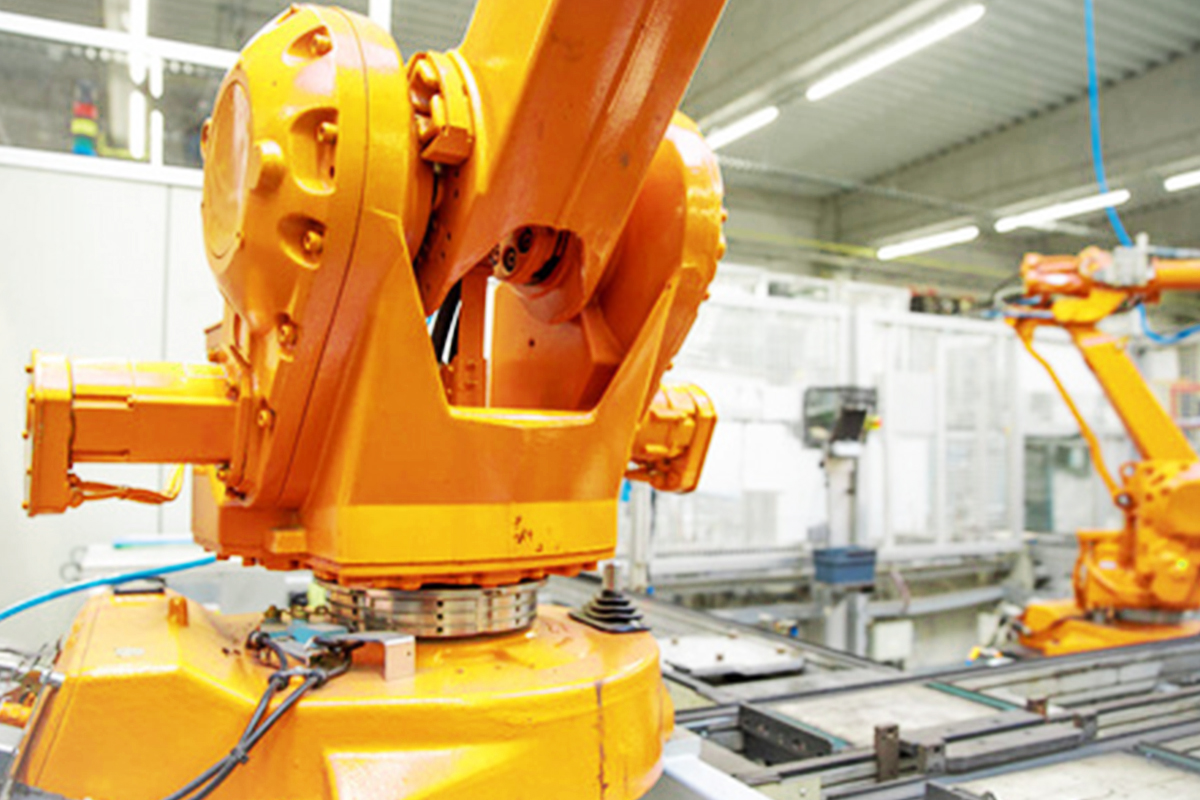
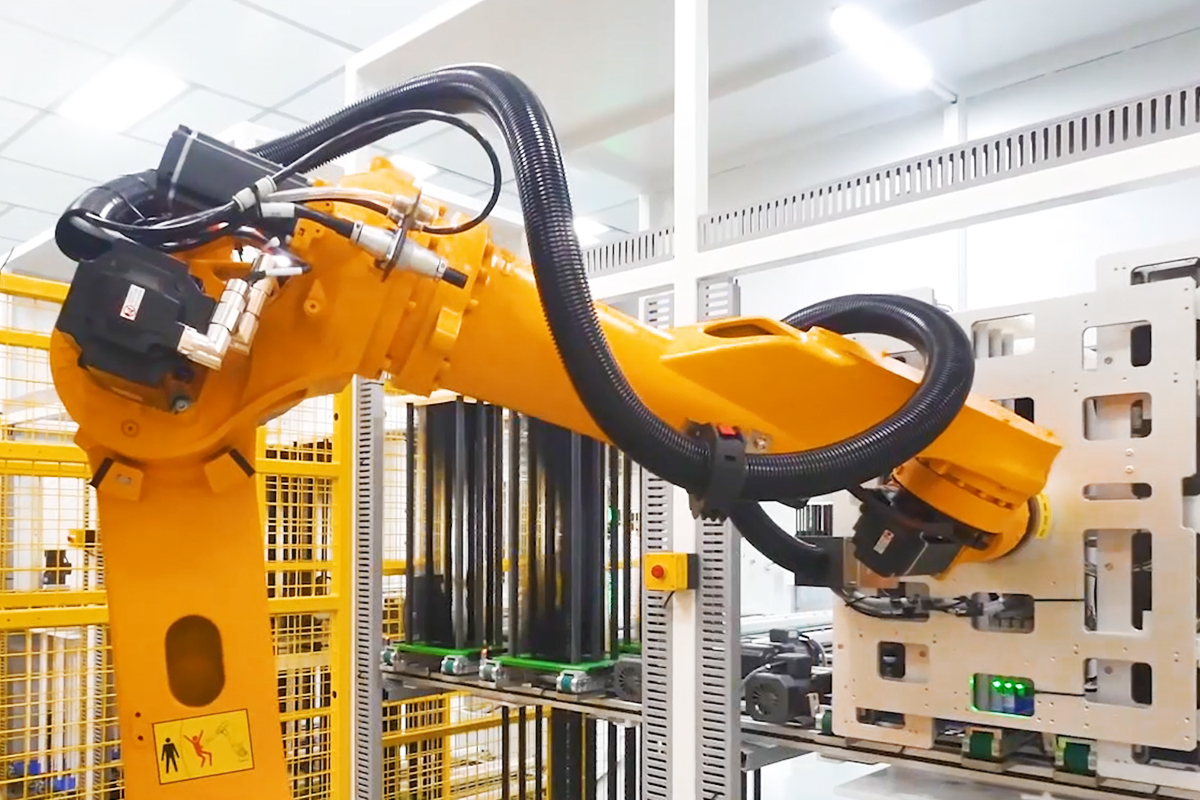
FPIC provides custom robot wiring harness solutions for dynamic industrial applications. Our assemblies are designed to support stable power, signal, feedback and control transmission in robot systems that involve multi-axis movement, torsion, bending and continuous operation.
What Makes Robot Wiring Harness Different

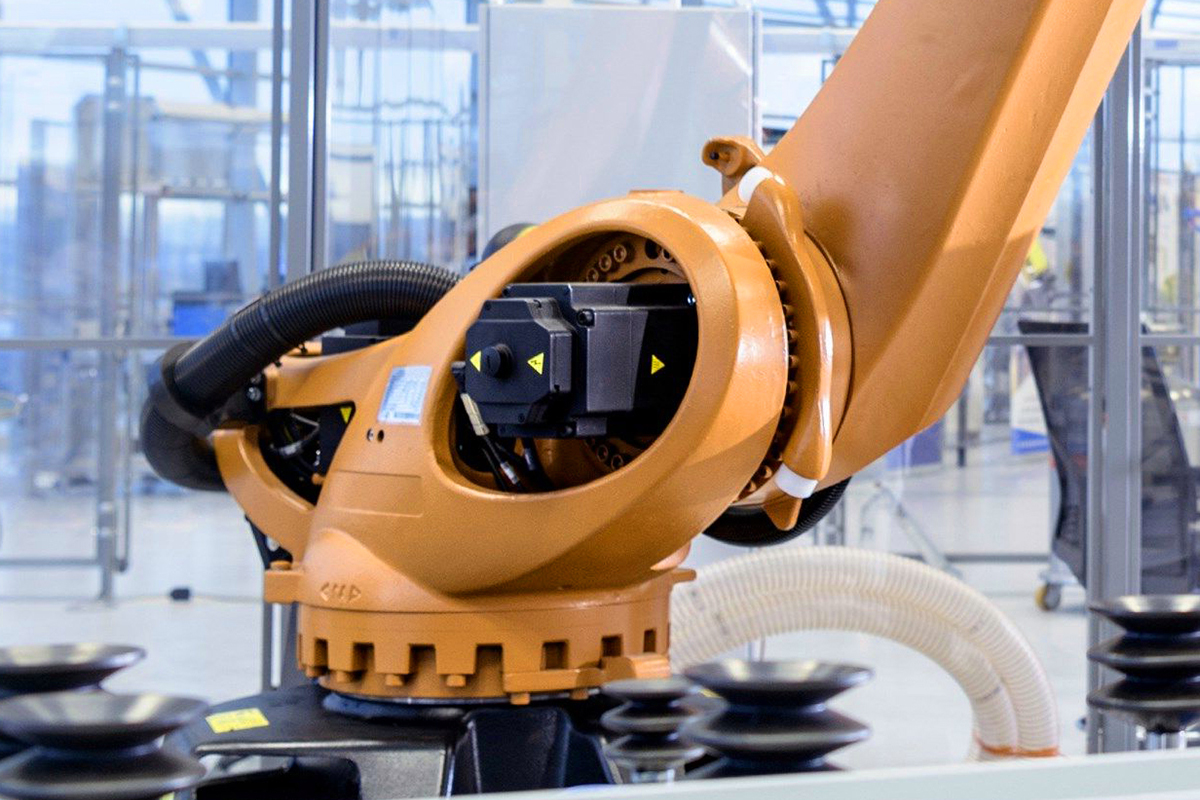
Robot wiring harnesses

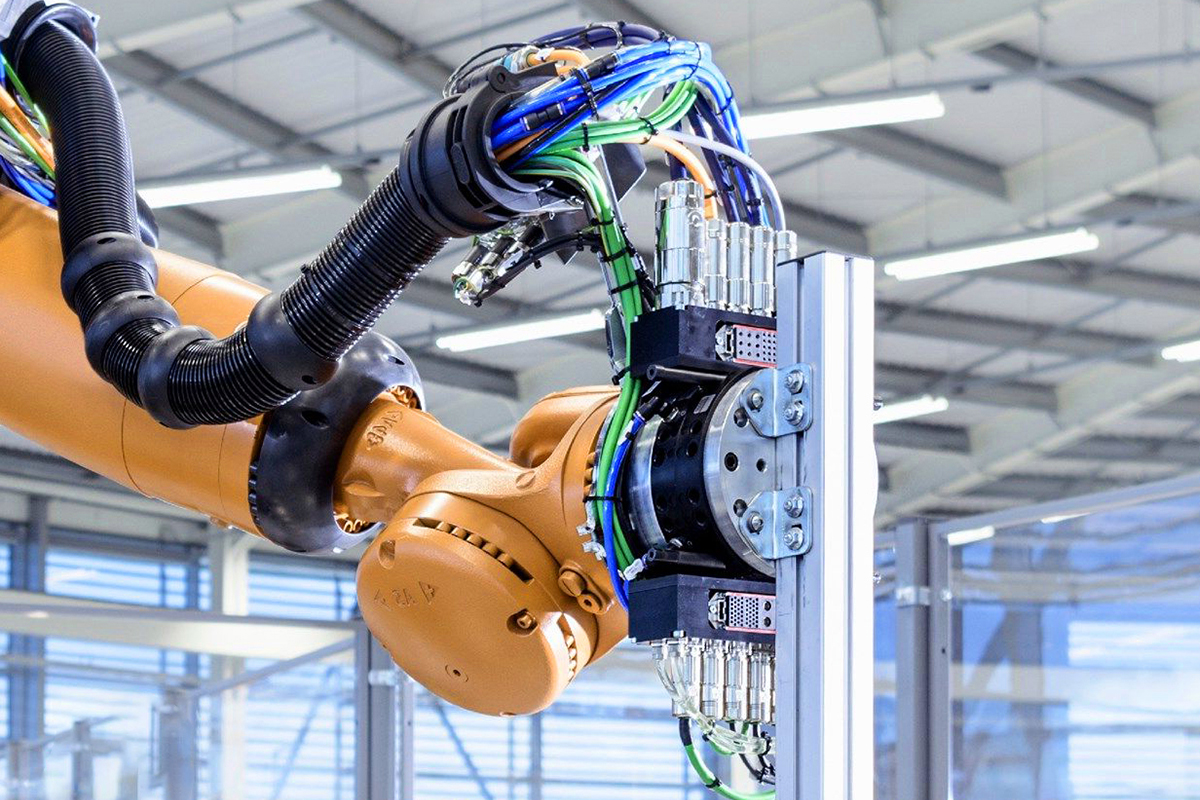
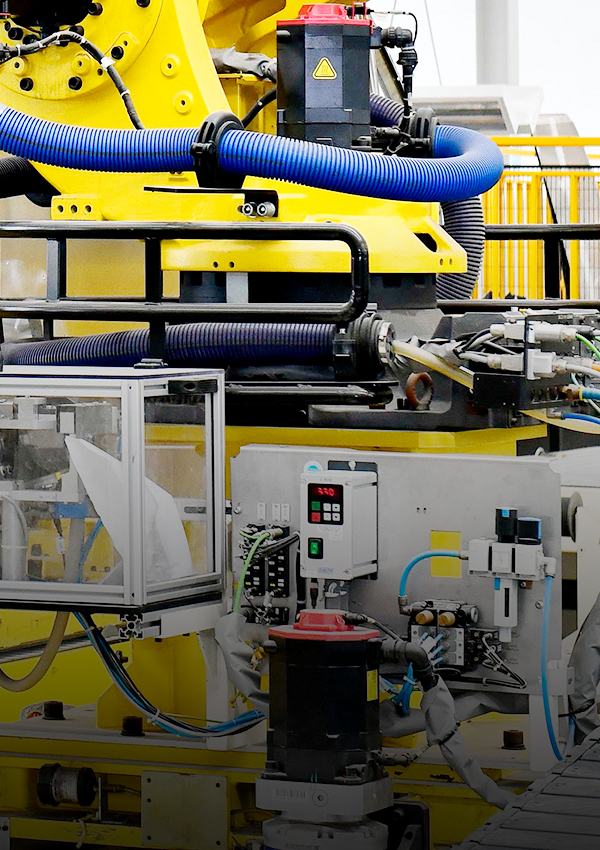
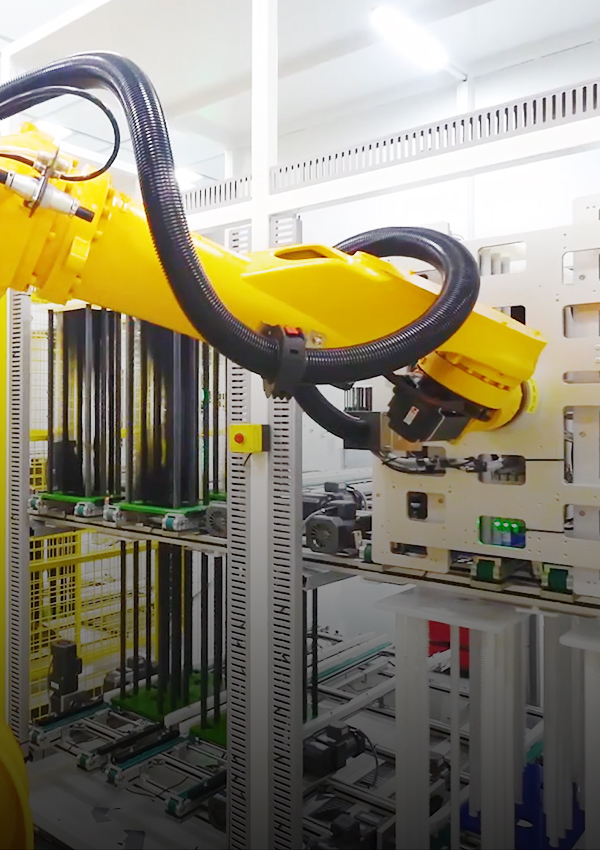
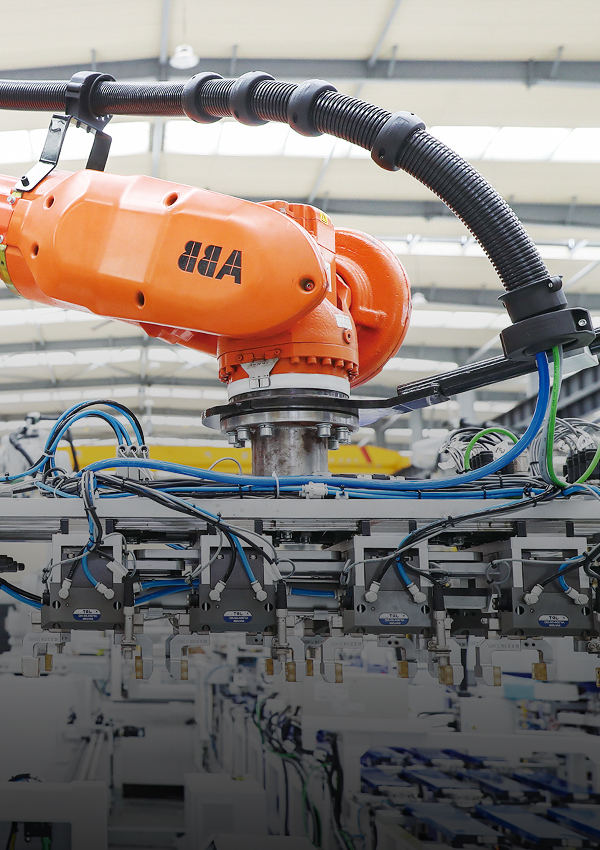
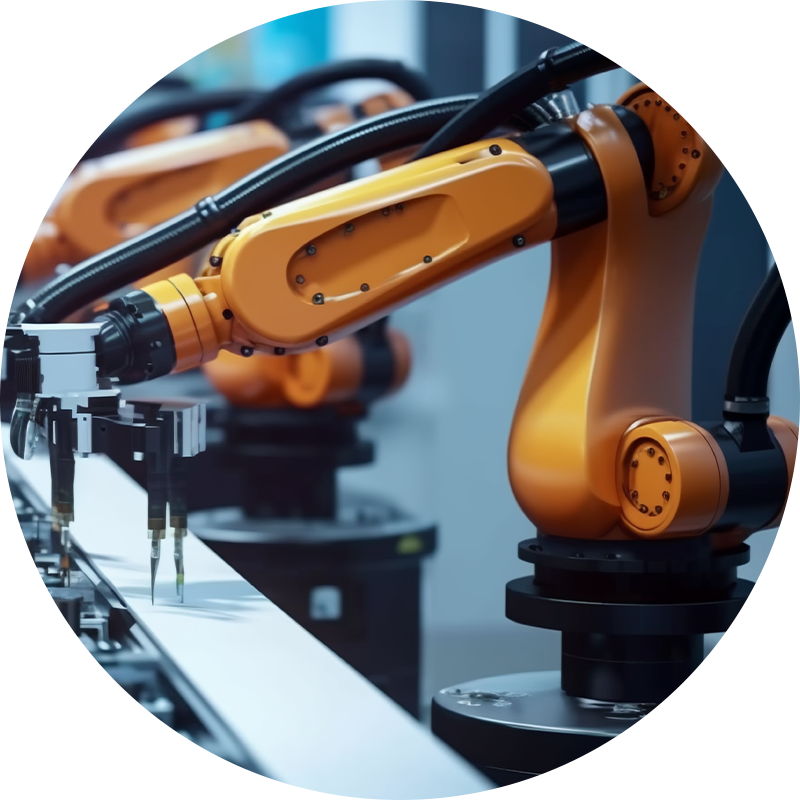
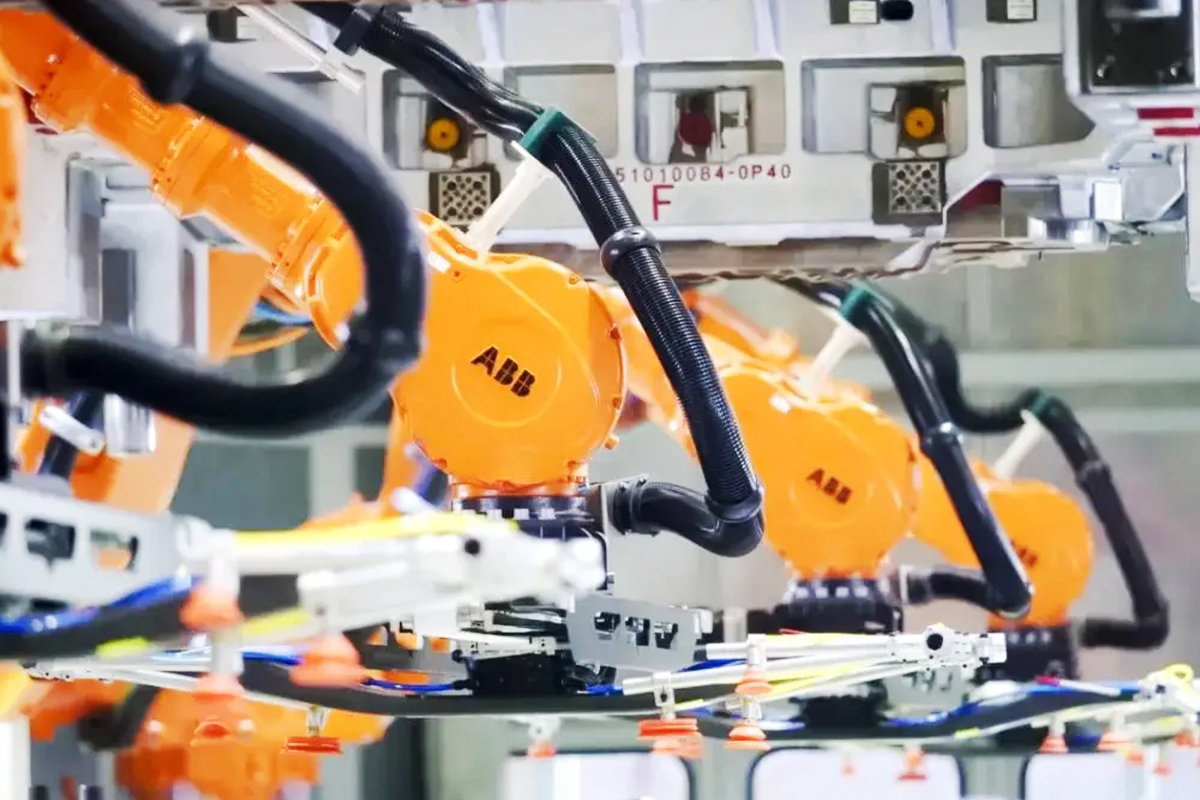
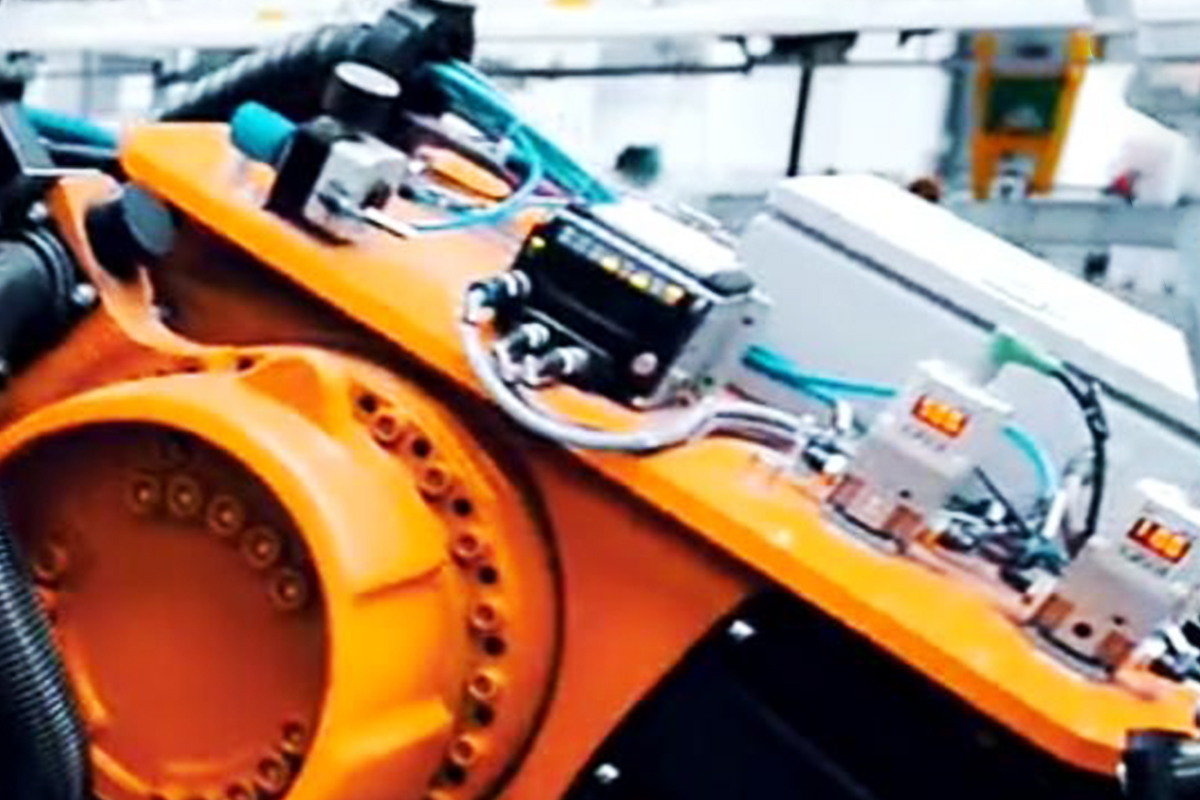
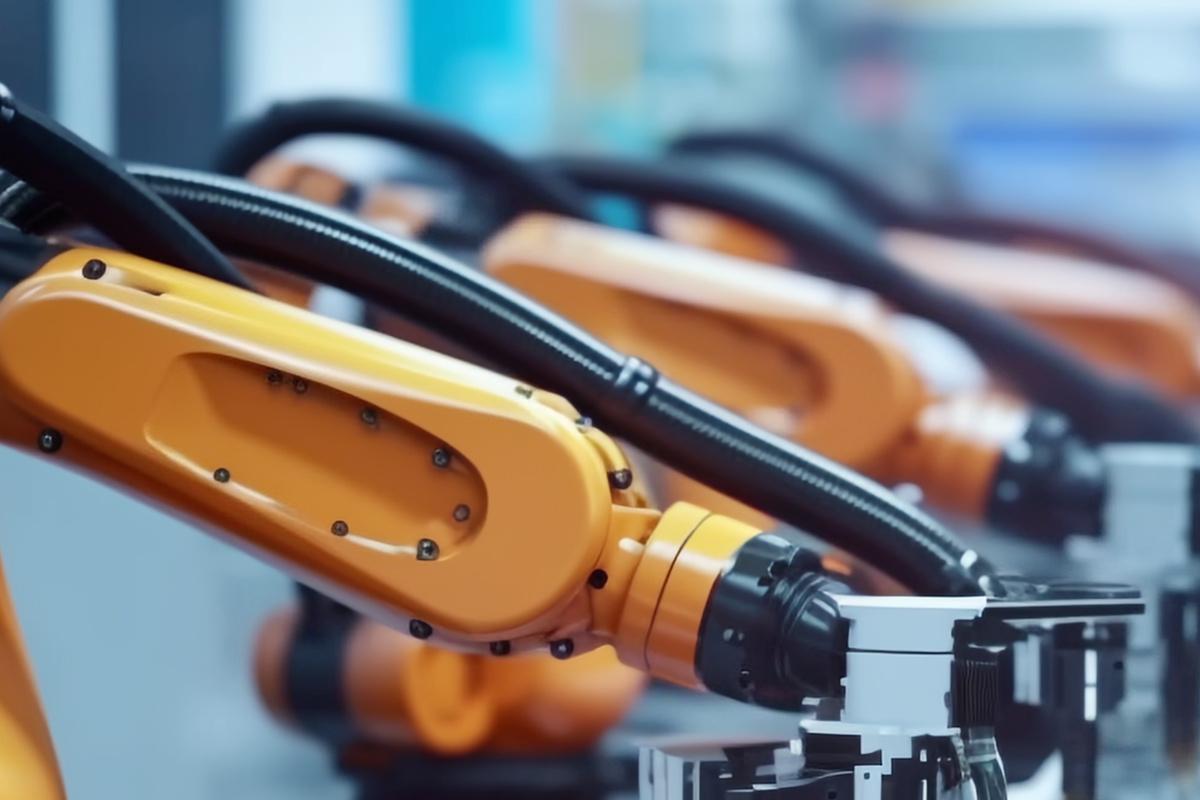
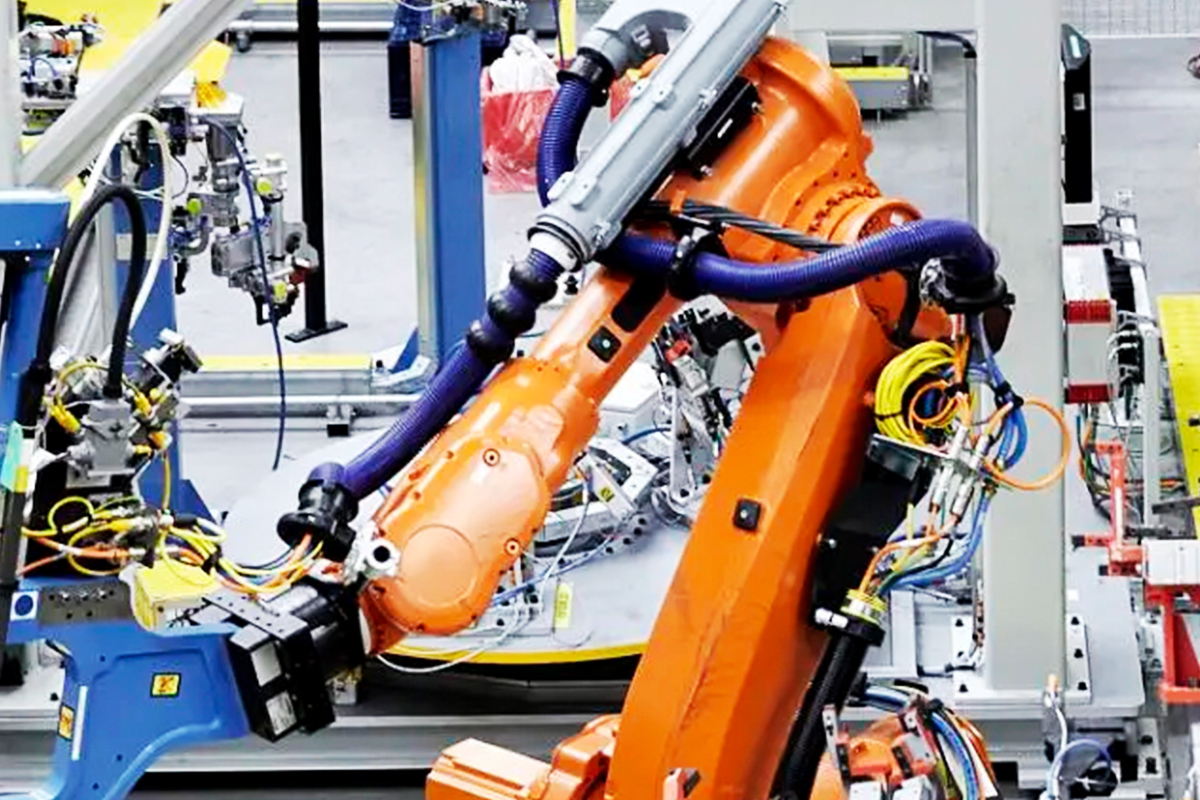
Robot wiring harness is developed for applications that involve continuous movement, changing mechanical loads and complex routing paths. Unlike standard industrial wire harnesses, robot harness assemblies often need to maintain reliable electrical performance under torsion, repeated bending, drag chain movement and limited installation space.

In many robotic systems, the harness must also support stable transmission of power, signal, feedback and communication while operating in environments exposed to oil, abrasion, vibration, welding spatter or other industrial conditions.

Because of these requirements, robot wiring harness projects demand more than basic electrical connection. They require careful consideration of movement profile, structure design, cable selection, shielding, protection and long-term durability.

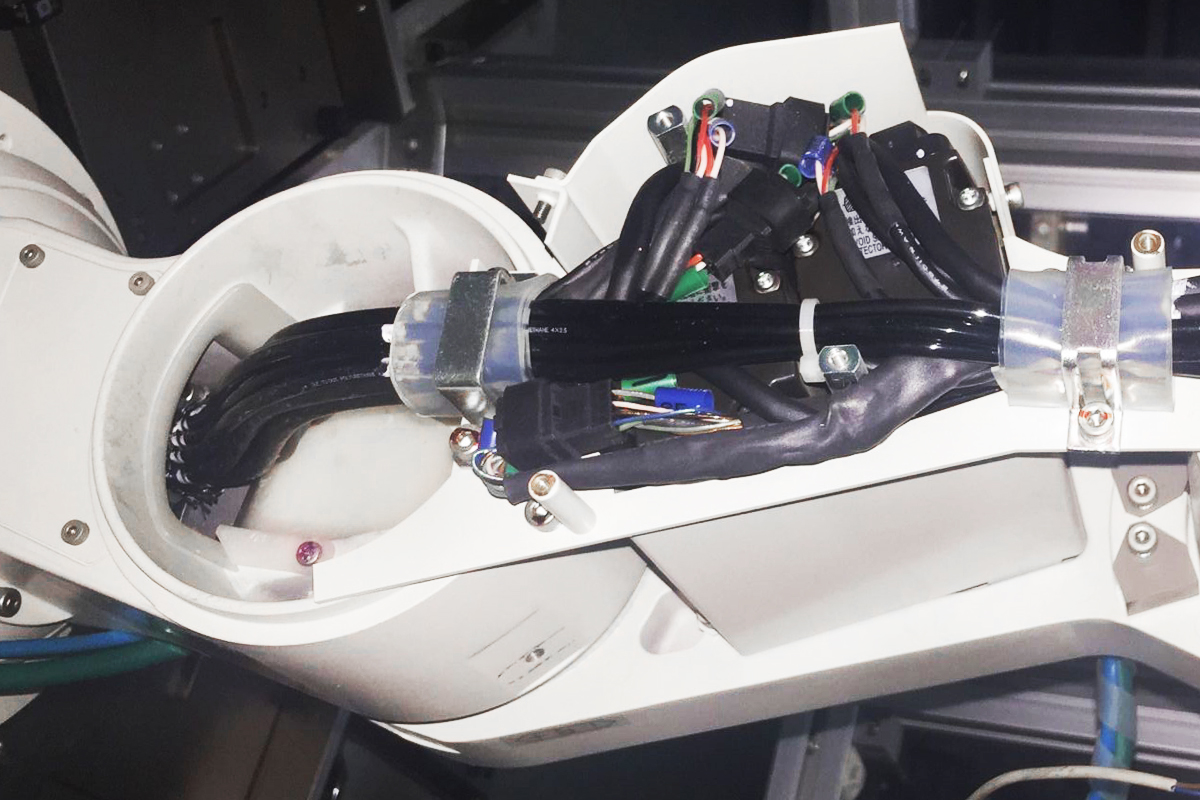
Robot wiring harnesses-1

Typical Robot Harness Applications

Robot wiring harness solutions can be developed for different sections of the robotic system according to movement profile, connection function and installation environment.

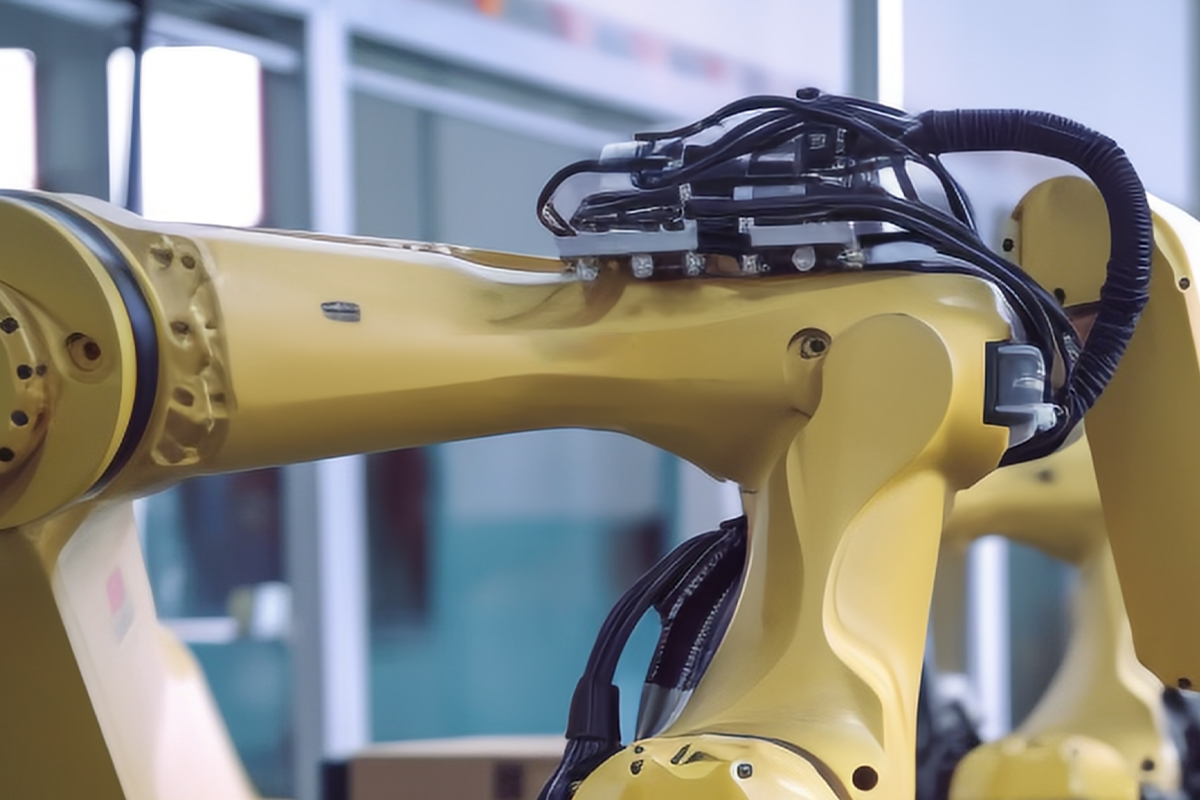
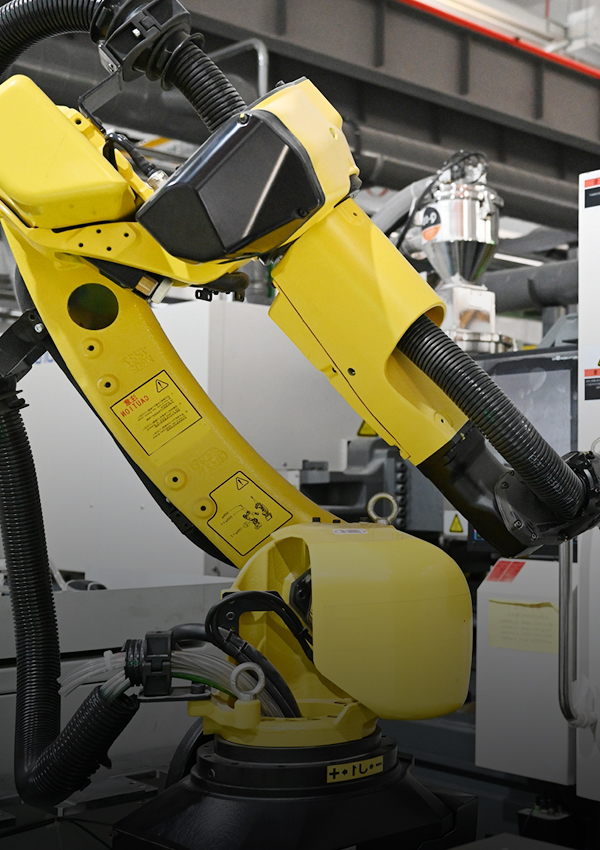
robot body wiring harness

Robot Body Wiring Harness

Harness routing between robot joints and internal body sections for multi-axis movement.

servo and feedback harness for robots

Servo and Feedback Harness

Power, encoder and feedback connection for servo-driven robotic motion systems.

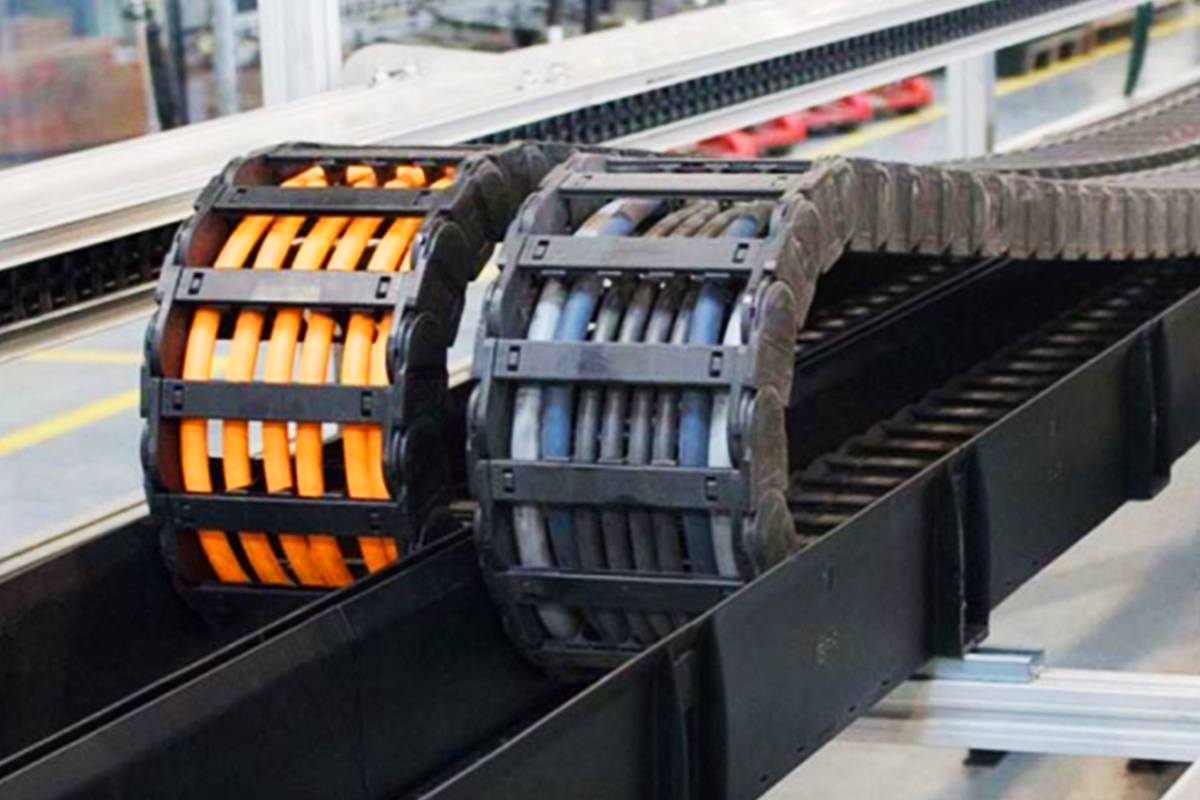
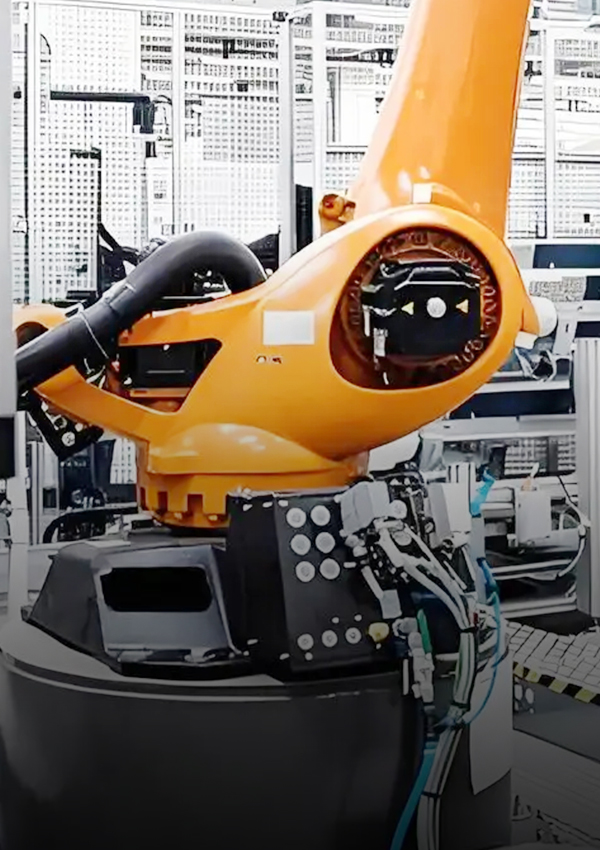
Cable and harness solutions for repeated bending and guided movement in drag chain applications.

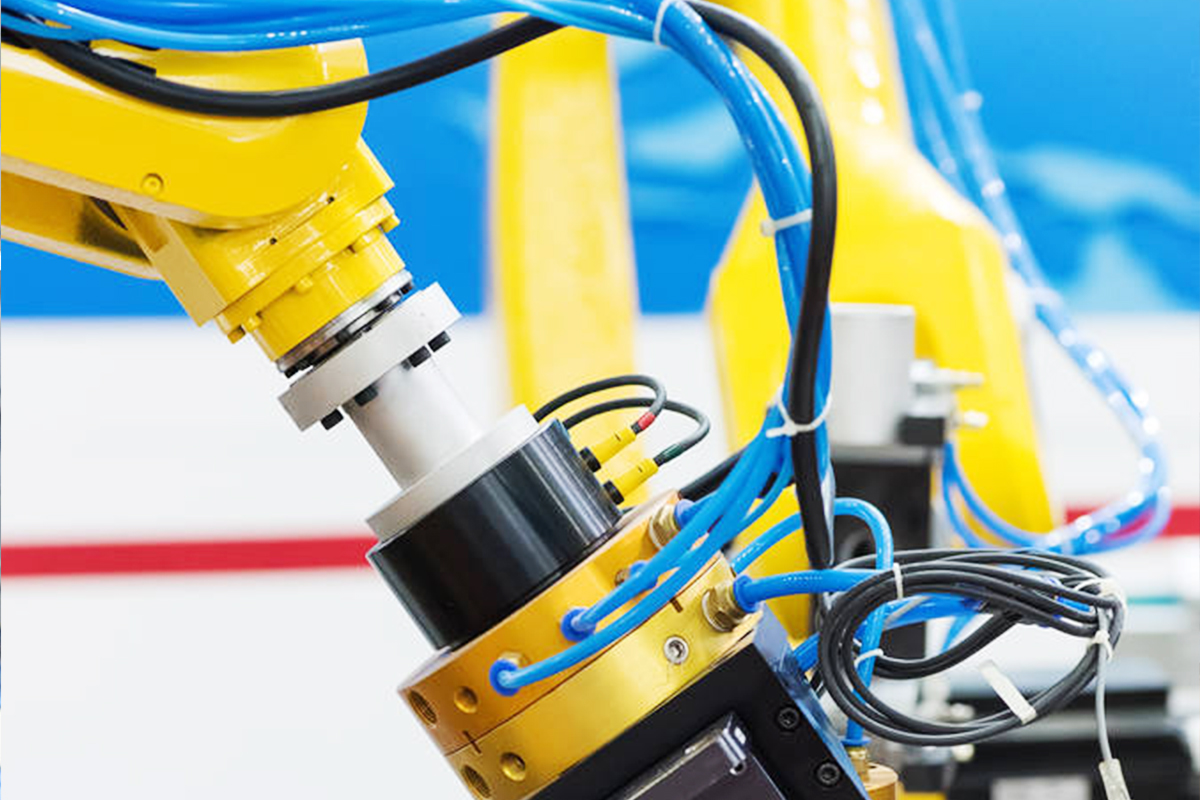
end effector wiring harness

End-Effector Connection Harness

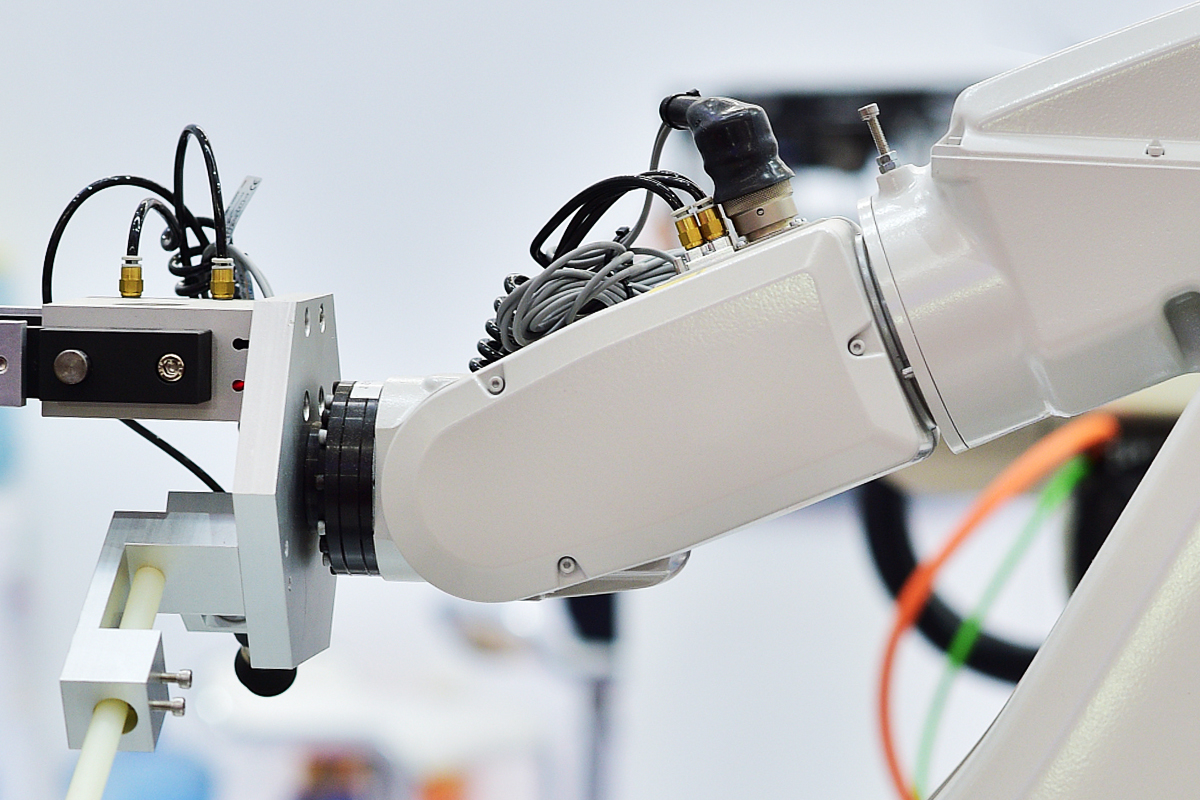
Connection solutions for grippers, welding tools, vision systems and other EOAT equipment.

Cabinet-to-Robot Interface Harness

Harness assemblies connecting control cabinet systems to robot operating units.

AGV and Mobile Robot Harness

Connection solutions for mobile robotics, automated transport systems and compact moving platforms.

Robot Harness by System Function

Robot harness projects often involve different functional assemblies within the same robotic system. FPIC can support customized solutions according to the electrical and mechanical role of each harness section.

Motion and Environmental Challenges

Robot harness design is not only about electrical connection. It is also about mechanical movement, routing behavior and environmental resistance under real operating conditions.

Torsion at Rotating Axes

Harnesses used in rotating sections may need to withstand repeated twisting without affecting signal stability or structure integrity.

Repeated Bending in Dynamic Routing

Many robot harness assemblies operate in constant bending conditions, especially in robotic arms, drag chain sections and moving loops.

Drag Chain Travel

Applications with guided movement require cable structures suitable for repeated travel and stable routing.

Abrasion and Wear

Friction, cable contact and movement against surrounding structures can increase wear risk in robotic environments.

Oil, Coolant and Chemical Exposure

Industrial robots may operate in environments where the harness is exposed to oils, cleaning agents or chemical residues.

Welding Spatter and Hot Particles

Welding cells and harsh automation lines may require additional protection against sparks, heat and particle exposure.

Shielding Stability Under Movement

Shielding Stability Under Movement

Limited Space and Strain Relief Design

Robot harness routing often requires compact installation and well-planned strain relief to reduce mechanical stress on connectors and conductors.

Design Inputs for Custom Robot Harness Projects

To develop a robot wiring harness that performs reliably in motion, it is important to define not only the electrical requirement, but also the routing path, movement condition and environmental load.

FPIC can support project evaluation based on the following input factors:

Robot Type and Axis Structure

Different robot structures may require different routing strategies and harness designs.

Routing Path and Moving Sections

It is important to define where the harness is fixed, where it moves and how it passes through joints or guided sections.

Torsion Angle and Bending Radius

The movement profile directly affects cable structure selection and protection design.

Motion Speed and Cycle Target

Application speed, repetition rate and cycle demand help determine the expected mechanical load on the harness.

Power, Signal, Feedback and Communication Requirement

Different functional circuits may require different conductor, shielding and connector configurations.

The mating system, installation space and interface standard all affect harness design.

Shielding and EMC Requirement

Applications involving feedback, control or communication signals may require enhanced shielding and EMC consideration.

Installation Space and Strain Relief Design

Compact equipment and multi-axis routing often require careful mechanical support and strain management.

Environmental Conditions

Oil, abrasion, temperature, chemicals, dust or welding exposure should be considered during design review.

End-Effector Connection Requirement

EOAT applications may involve combined signal, power or device-specific connection needs.

Materials, Structure and Protection Options

FPIC supports flexible material, connector and protection matching according to robot harness movement profile, electrical function and application environment.

robot harness cable structure selection

Cable Structure Selection

Suitable wire and cable structures can be selected according to torsion, bending and routing requirements.

robot harness shielding and signal stability

Shielding and Signal Stability

Shielded structures can be used where stable signal transmission and anti-interference performance are required.

robot harness connector and terminal matching

Connector and Terminal Matching

Connector systems and terminals can be selected according to robot interface, control requirement and installation condition.

robot harness protection and strain relief

Protective Sleeves and Strain Relief

Protective sleeves, cable support structures and strain relief designs can be considered according to wear, vibration and environmental exposure.

Overmolding and Assembly Reinforcement

Overmolding and Assembly Reinforcement

Where required, overmolding or reinforced transition areas can help improve assembly durability and installation stability.

Integrated Harness Configuration

Integrated Harness Configuration

Power, signal, control and communication elements can be coordinated into one structured harness design according to project requirements.

Validation Focus and Test Approach

Robot harness projects often require more than basic continuity checks. Validation focus should be aligned with movement profile, installation condition and long-term operating demand.

FPIC can support project-specific validation planning according to customer requirements, movement conditions and application priorities.

  • Torsion Performance Review

    Evaluation of the harness structure under expected twisting movement.

  • Repeated Bending / Flex Life Assessment

    Review of suitability for applications involving repeated bending during operation.

  • Drag Chain Suitability

    Assessment of structure and routing compatibility for guided movement sections.

  • Continuity and Signal Stability

    Confirmation of stable electrical transmission under required operating conditions.

  • Connector Retention and Assembly Integrity

    Review of connection stability, retention performance and assembly robustness.

  • Shielding Effectiveness Under Movement

    Assessment of stable shielding performance in dynamic signal applications.

  • Environmental Resistance Assessment

    Consideration of oil, abrasion, temperature and other environmental factors according to project conditions.

Why Choose FPIC for Robot Harness Projects

FPIC supports custom robot wiring harness projects with flexible engineering, connector and harness integration capability, and manufacturing support from prototype to production.

  • Application-Oriented Engineering Review

    1

    We support project evaluation based on robot type, movement condition and connection requirement.

  • Connector and Harness Integrated Development

    2

    Connector systems, terminals, cables and protection structures can be matched as one coordinated solution.

  • Prototype Support for Custom Projects

    3

    Prototype samples can be prepared for fit, routing and function confirmation before mass production.

  • Flexible OEM / ODM Cooperation

    4

    We support development according to drawings, samples, BOM lists and project-specific requirements.

  • Structured Manufacturing Support

    5

    Our team supports project transfer from development review to controlled production and delivery.

  • Reliable Communication and Project Coordination

    6

    We work with customers to improve project clarity, reduce development risk and support efficient implementation.

Custom Development Process

FPIC supports custom project development from requirement review to mass production with engineering evaluation, prototype support and controlled manufacturing.

Robot Wiring Harness FAQ

Customers can provide drawings, BOM lists, connector models, terminal requirements, wire specifications or samples.

Can you support custom robot wiring harness according to drawings?

We can evaluate robot harness design according to movement profile, routing condition and application requirements.

Yes. Prototype samples can be produced before mass production.

Yes. We can support coordinated development of connectors, terminals, cables and harness assemblies.

Yes. Project suitability can be reviewed according to movement pattern, routing structure and required service conditions.

Start Your Robot Wiring Harness Project

Looking for a reliable partner for custom robot wiring harness solutions? Send us your drawings, BOM lists, robot model information or samples. FPIC will support your project from engineering review to production.

    Copyright @ FPIC | All Rights Reserved | Privacy Policy | Designed by Nocti