Dongzhi Festival: Understanding China’s Winter Solstice Tradition
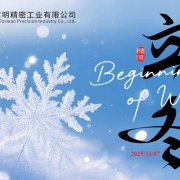
Dongzhi (冬至), or the Winter Solstice, falls on December 21 and is one of the most important traditional festivals in China. It is also one of the 24 Solar Terms, an ancient time-keeping system that reflects the relationship between nature, agriculture, and human life.
For thousands of years, Dongzhi has symbolized renewal, balance, and family unity, making it a meaningful cultural milestone that continues to influence modern Chinese society.
What Is Dongzhi? The Origin of the Winter Solstice in China
Dongzhi marks the moment when the Northern Hemisphere experiences the shortest day and longest night of the year. From this point onward, daylight gradually increases—an idea that ancient Chinese philosophy described as “yin reaching its extreme, then giving birth to yang.”
As early as the Han Dynasty (206 BCE–220 CE), Dongzhi was recognized as a significant festival. Ancient Chinese believed that after Dongzhi, nature began its cycle of renewal, and human vitality would slowly return. Because of this, Dongzhi was often regarded as being “as important as the Lunar New Year.”
Dongzhi in the 24 Solar Terms
The 24 Solar Terms were developed to guide agricultural activities, seasonal living, and health practices. Dongzhi is one of the most scientifically accurate solar terms, determined by precise astronomical observation.
Today, Dongzhi is also recognized by UNESCO as part of China’s Intangible Cultural Heritage, helping people around the world better understand traditional Chinese wisdom and seasonal awareness.

Northern and Southern Dongzhi Customs: Cultural Differences
Northern China: Eating Dumplings (Jiaozi)
In northern China, it is customary to eat dumplings on Dongzhi. This tradition is linked to the famous physician Zhang Zhongjing, who distributed dumplings filled with warming ingredients to help villagers resist the cold during winter.
To this day, many people believe that eating dumplings on Dongzhi helps keep the body warm and symbolizes protection and health.
Southern China: Tangyuan and Warm Gatherings
In southern regions, families traditionally eat tangyuan—glutinous rice balls often served in sweet soup. Tangyuan symbolizes family unity, harmony, and completeness.
Some areas also prepare nourishing foods such as herbal soups, rice wine, or seasonal dishes to support health during the cold months.
Dongzhi and Chinese Philosophy of Balance
Dongzhi reflects core Chinese values of harmony between humans and nature. The festival emphasizes:
-
Respect for seasonal change
-
Balance between rest and renewal
-
Family connection and togetherness
These values continue to shape Chinese cultural identity and daily life, even in modern workplaces.
Celebrating Dongzhi at Our Company: Care Beyond Work
At our company, Dongzhi is not only a cultural tradition but also an opportunity to express care and appreciation for our employees.
On this special day, we prepare a warm afternoon tea for all employees to enjoy together. Through simple but thoughtful gestures, we aim to create a welcoming environment where employees feel valued, respected, and connected.
We believe that people are the foundation of sustainable growth, and honoring traditional festivals helps strengthen team spirit and cultural understanding.
A Festival That Connects Tradition and Modern Life
Dongzhi is more than a seasonal marker—it is a celebration of continuity, resilience, and renewal. By sharing this tradition with our global partners and customers, we hope to promote a deeper understanding of Chinese culture and the values that guide how we work and grow together.
As the days begin to lengthen after Dongzhi, we wish warmth, health, and prosperity to everyone.
References
-
China National Commission for UNESCO – The 24 Solar Terms
-
China Daily – Dongzhi Festival: History and Traditions
-
Encyclopaedia Britannica – Winter Solstice