Chinese New Year’s Eve: Tradition & Renewal
Introduction
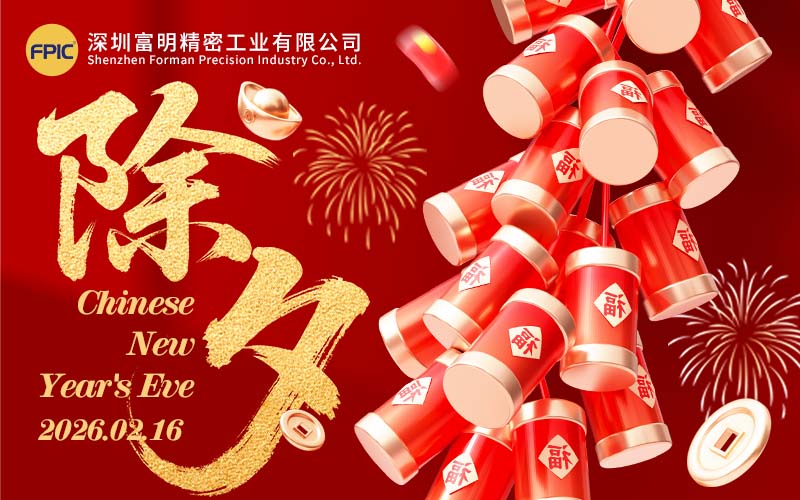
Chinese New Year’s Eve, known as Chúxī (除夕), is the most important night of the Lunar New Year celebration. It marks the final evening of the lunar calendar and represents renewal, family unity, and hope for prosperity in the coming year.
For many Western readers, Chinese New Year may be associated with fireworks and red decorations. However, New Year’s Eve is deeply rooted in history, symbolism, and collective cultural values that have shaped Chinese society for thousands of years.
The Origin of Chinese New Year’s Eve
The word “除夕” literally means “removing the old night.”
Historically, it signifies the transition from the old year to the new. According to traditional folklore, the custom of staying awake and setting off firecrackers originated from the legend of the mythical beast “Nian” (年), which was believed to appear at the end of the year. People discovered that loud sounds, bright lights, and the color red could drive it away.
Over time, this evolved into traditions that symbolize:
-
Driving away negativity
-
Welcoming good fortune
-
Protecting family and community
-
Starting the new year with positivity
Key Traditions of Chinese New Year’s Eve
1. Reunion Dinner (年夜饭)
The Reunion Dinner is the most important meal of the year. Families travel long distances to gather around one table.
Typical dishes include:
-
Fish (symbol of abundance)
-
Dumplings (symbol of wealth)
-
Spring rolls (symbol of prosperity)
-
Sweet rice cakes (symbol of progress)
This meal represents unity, gratitude, and shared success.
2. Cleaning and Decoration
Before New Year’s Eve, families thoroughly clean their homes to “sweep away bad luck.” Red couplets (春联) and lanterns are placed at doors and windows to welcome blessings.
Red symbolizes happiness, protection, and prosperity.
3. Staying Up Late (守岁)
Many families stay awake past midnight to welcome the new year together. This tradition reflects respect for elders and the hope for longevity and harmony.
4. Fireworks and Firecrackers
Fireworks symbolize celebration and renewal. Historically used to scare away evil spirits, they now represent joy and confidence for the year ahead.
Cultural Values Behind the Festival
Beyond celebration, Chinese New Year’s Eve reflects core cultural values:
-
Responsibility toward family
-
Respect for tradition
-
Long-term thinking
-
Collective unity
-
Renewal and improvement
These values are not only cultural — they also resonate in modern organizations.
Chinese New Year’s Eve and FPIC’s Corporate Culture
At FPIC, the meaning of New Year’s Eve aligns closely with our corporate philosophy.
1. Unity and Teamwork
Just as families gather for the reunion dinner, our company values teamwork and cross-department collaboration. Strong internal unity creates external reliability.
2. Renewal and Continuous Improvement
“Removing the old and welcoming the new” reflects our commitment to continuous improvement in manufacturing processes, product innovation, and quality control.
Each year, we refine our standards to ensure better service for global customers.
3. Responsibility and Commitment
Chinese New Year’s Eve emphasizes responsibility to family. In the same way, FPIC upholds responsibility to our customers through:
-
Stable supply chain management
-
Strict quality inspection
-
Long-term partnership mindset
-
Professional technical support
Reliability builds trust — and trust builds lasting cooperation.
Looking Ahead to the New Year
As the Lunar New Year approaches, we extend our sincere gratitude to our employees, partners, and clients worldwide.
Chinese New Year’s Eve is a time to reflect on achievements, appreciate teamwork, and prepare for new growth.
At FPIC, we look forward to another year of:
-
Innovation in industrial connector solutions
-
Stronger global partnerships
-
Sustainable development
-
Shared success
Conclusion
Chinese New Year’s Eve is more than a celebration — it is a powerful expression of renewal, unity, and responsibility.
Understanding its traditions helps bridge cultures and strengthens global cooperation.
As we welcome the new year, FPIC remains committed to quality, integrity, and long-term partnership.
Happy Lunar New Year.
References / Notes
-
Encyclopaedia Britannica – Chinese New Year traditions
-
History.com – Lunar New Year cultural background
-
China National Tourist Office – Traditional Spring Festival customs
-
This article is written based on publicly available cultural and historical sources for educational and informational purposes.